Free shipping on all orders over $100.
The Journal · House of Sun Editions

Equestrian Wall Art: A Timeless Tradition in Collected Interiors

From the country house portrait to the expressive study of a horse in motion, equestrian art brings history, vitality and a quiet sense of inheritance into the home.
Equestrian wall art in a layered English country interior

Few subjects carry the same balance of strength and grace as the horse. In art, it can appear ceremonial or intimate, still or in motion, alone in a landscape or accompanied by rider and hound. In a room, equestrian wall art does something equally distinctive: it introduces history without stiffness and movement without noise.

Long associated with country houses, sporting life and portraiture, horse paintings have moved far beyond a single decorative tradition. A quiet equine study can soften a contemporary apartment. A galloping figure can animate a formal sitting room. A portrait of a horse or sporting dog can bring personality to a library lined with books.

The most compelling equestrian interiors are not themed. They are layered. Leather, linen, florals, polished wood, modern lighting and inherited objects are allowed to coexist, while the artwork gives the room a point of view.

This guide looks beyond decoration to the history, symbolism, scale and atmosphere of equestrian art. It is designed to help you choose a work that belongs not only to the present room, but to the rooms—and stories—that may follow.
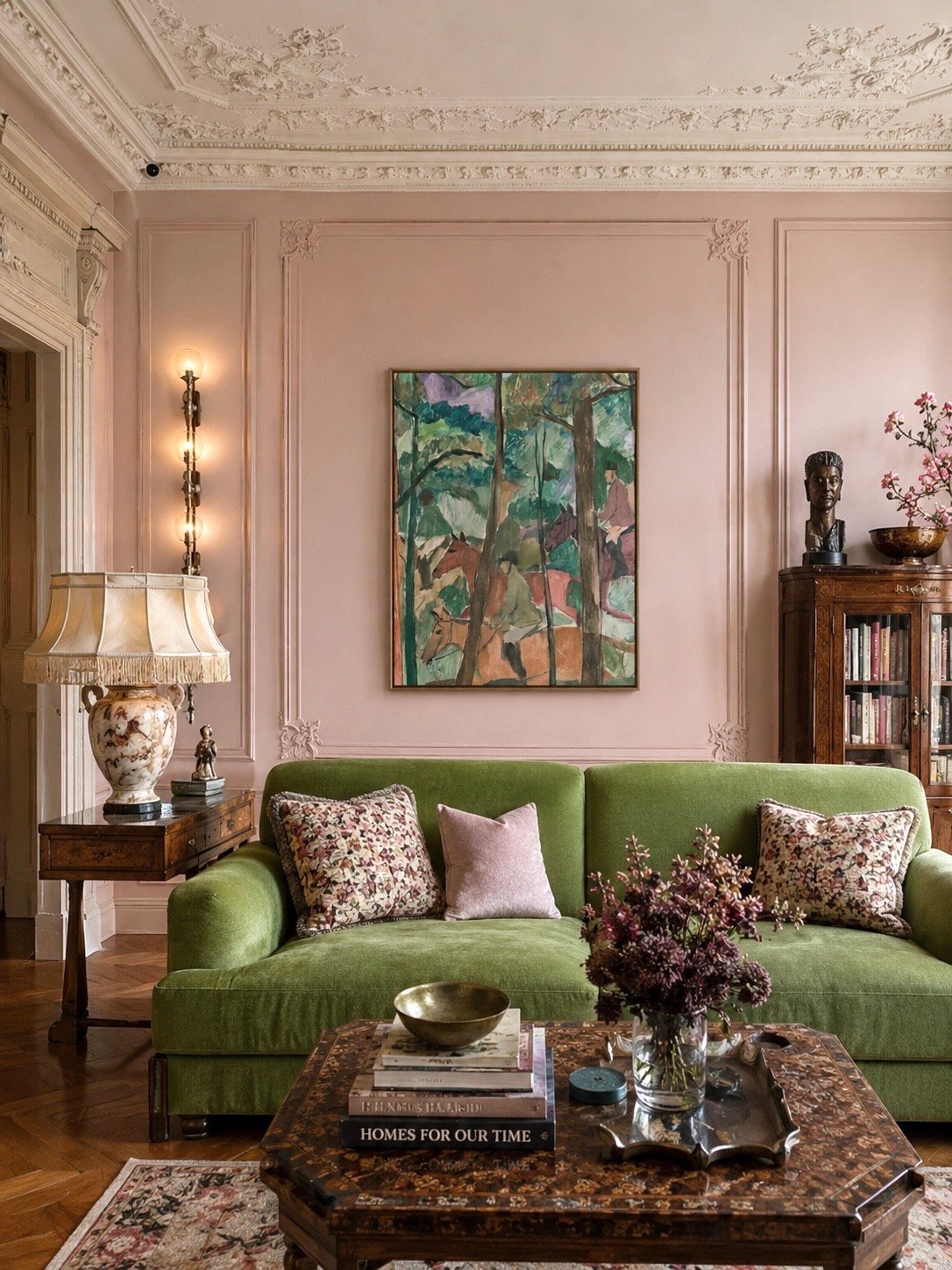
Wild Heritage horse canvas styled in a timeless collected interior
01 · An enduring subject

Why Equestrian Art Endures

The horse carries opposites beautifully: discipline and freedom, physical power and visual refinement. That tension gives equestrian art unusual emotional range. Even a restrained portrait has presence; an image of a horse in motion can change the rhythm of an entire wall.

It also belongs naturally to the vocabulary of a collected home. Equestrian pictures sit comfortably beside landscapes, botanical studies, family photographs and abstract works because they contain both figure and atmosphere. They suggest a life beyond the room—a path through woodland, an open field, a remembered journey.

Unlike a passing decorative motif, the horse has been interpreted across cultures and centuries. Its meaning changes with the artist, the sitter and the setting, allowing the subject to feel historical without becoming fixed in the past.

Shop Wild Heritage
02 · From emblem to individual

A Brief History of Equestrian Art

For much of art history, the mounted figure represented authority. Rulers, military leaders and aristocratic sitters appeared above the viewer, their horses controlled and idealized. The animal amplified the status of the rider: command over a powerful creature became an image of command itself.

Over time, attention moved from the rider to the horse. In Britain, sporting culture encouraged artists to observe individual animals, their anatomy, bloodlines and temperaments. Stable portraits and hunting scenes entered country houses not only as statements of ownership but as records of animals known and admired.

This shift is important for interiors today. A horse portrait can possess the compositional gravity of a human portrait while feeling less formal. It introduces lineage and character without requiring a literal family history.

The most timeless horse paintings do not simply depict an animal. They reveal a presence—alert, intelligent and capable of movement beyond the frame.
The symbolic horse

What Equestrian Art Brings into a Room

Freedom

An open landscape and an unrestrained stride suggest possibility. In enclosed urban rooms, this sense of distance can be especially powerful.

Discipline

Horse and rider can express balance, attention and controlled energy. The subject adds structure without relying on rigid geometry.

Companionship

Portraits that include grooms, riders or dogs shift the meaning from status to relationship. They make a grand tradition feel human.

Movement

A raised hoof, turning head or diagonal rein gives the eye a path to follow. Movement can enliven even a restrained palette.

Memory

Because equestrian imagery carries centuries of association, it can lend a new interior the feeling of something remembered or inherited.

Character

No two horses hold themselves in quite the same way. The strongest works capture temperament rather than offering a generic emblem.

Choose the quality your room is missing. The subject may be the horse, but the true decision is emotional.

The Third Duke of Dorset's Hunter with a Groom and a Dog by George Stubbs, 1768
The Third Duke of Dorset’s Hunter with a Groom and a Dog, George Stubbs, 1768. The Metropolitan Museum of Art. Public Domain. View the museum record.
The English sporting tradition

When the Horse Becomes the Portrait

In George Stubbs’s 1768 painting, the Duke of Dorset’s hunter dominates the composition. The groom and dog establish scale and context, yet the horse remains the true sitter. Its pale body is carefully observed, its stillness charged with attention.

This hierarchy offers a useful lesson for decorating. A work does not need constant action to command a room. Stillness can create presence when scale, silhouette and negative space are strong. In a library or formal sitting room, this kind of equestrian portrait can act as an architectural anchor.

Surround it with objects that deepen rather than repeat its world: a contemporary lamp, a floral textile, a stack of art books or a sculptural ceramic. The room will feel richer when the artwork is allowed to carry the equestrian reference on its own.

03 · A modern force

Rosa Bonheur and the Drama of Movement

By the nineteenth century, equestrian painting could be monumental without centering a ruler or owner. Rosa Bonheur’s The Horse Fair transforms observation into spectacle: powerful horses surge across the canvas, controlled and yet barely contained.

Bonheur visited the Paris horse market twice weekly for a year and a half to make studies. The resulting painting, begun in 1852 and shown at the Salon of 1853, measures more than five metres wide. Its scale turns the market into an immersive field of muscle, dust, gesture and light.

For the home, its lesson is not that every equestrian artwork must be large. It is that movement should be read across the entire composition. The direction of the horses, the open space ahead of them and the density of the group all affect how the image will live on a wall.

The Horse Fair by Rosa Bonheur, 1852 to 1855
The Horse Fair, Rosa Bonheur, 1852–55. The Metropolitan Museum of Art. Public Domain. View the museum record.
04 · The artist’s eye

The Beauty of the Unfinished Study

Preparatory drawings reveal another side of equestrian art. Freed from ceremonial detail, the horse becomes line, weight, balance and repeated observation. Several positions may inhabit one sheet; a leg is corrected, a head reconsidered, movement understood through accumulation.

In an interior, a study feels immediate and intelligent. It suits a quiet bedroom, a desk, a narrow wall between shelves or a gallery arrangement where a looser work can relieve more finished paintings.

This is also why sketch-like contemporary pieces pair so well with antiques. Their subject carries history, while their incompleteness keeps the room alive.

Sheet of Studies for The Horse Fair by Rosa Bonheur

Sheet of Studies for “The Horse Fair”, Rosa Bonheur, 1840–99. The Metropolitan Museum of Art. Public Domain. View the museum record.

Learning to look

How to Read an Equestrian Painting

Before deciding whether a work suits the sofa or the wall color, spend time with the image itself. Equestrian art is unusually physical: posture, weight and direction communicate before narrative or symbolism. Learning to notice these details leads to a more personal choice.

Begin with the head and gaze

A lowered head creates calm and inwardness. Ears turned forward suggest alertness; a glance outside the frame introduces expectation. The gaze often determines whether the picture feels contemplative or charged.

Notice where the weight falls

A planted stance gives stability. A lifted hoof contains the promise of movement. In a gallop, diagonals pull the eye across the surface. These lines will continue to influence how the artwork feels once it is surrounded by furniture and architecture.

Look at the space around the figure

Negative space is never empty. Open ground in front of a horse allows it to move visually; a close crop creates immediacy; dense woodland produces intimacy and mystery. Consider whether your room needs expansion or enclosure.

Observe the relationship between animal and human

Does the rider command, accompany or almost disappear? Does a groom meet the horse’s gaze? Are dogs active participants or quiet witnesses? These relationships distinguish a living scene from a decorative symbol.

Read the weather and light

A luminous sky can open a dark room. Golden evening light intensifies timber and brass. Mist, shadow and muted weather create the feeling of memory. Atmosphere often matters more than the literal breed or setting.

The work you continue to discover after several viewings is usually the work that will continue to live well in a home.

05 · The visual language

Choose the Feeling Before the Subject

The solitary portrait

Quiet, noble and architectural. A single horse holds a wall with the authority of a traditional portrait while remaining softer and less formal.

Horse and rider

A rider introduces narrative and human scale. These works feel natural in libraries, entrances and rooms containing antiques or travel objects.

Movement and gesture

Galloping figures and expressive studies bring energy to calm rooms. They work especially well when the furniture is symmetrical or the palette restrained.

Pastoral scenes

Horses within woodland or open landscape create depth. They act almost like a window and are effective above sofas and consoles.

Country companions

Horses, hounds and sporting dogs introduce warmth and character. Their appeal is intimate rather than ceremonial.

Studies and series

A pair or trio of related works creates cadence. It is an elegant solution for a long wall, stairway or the space above a desk.
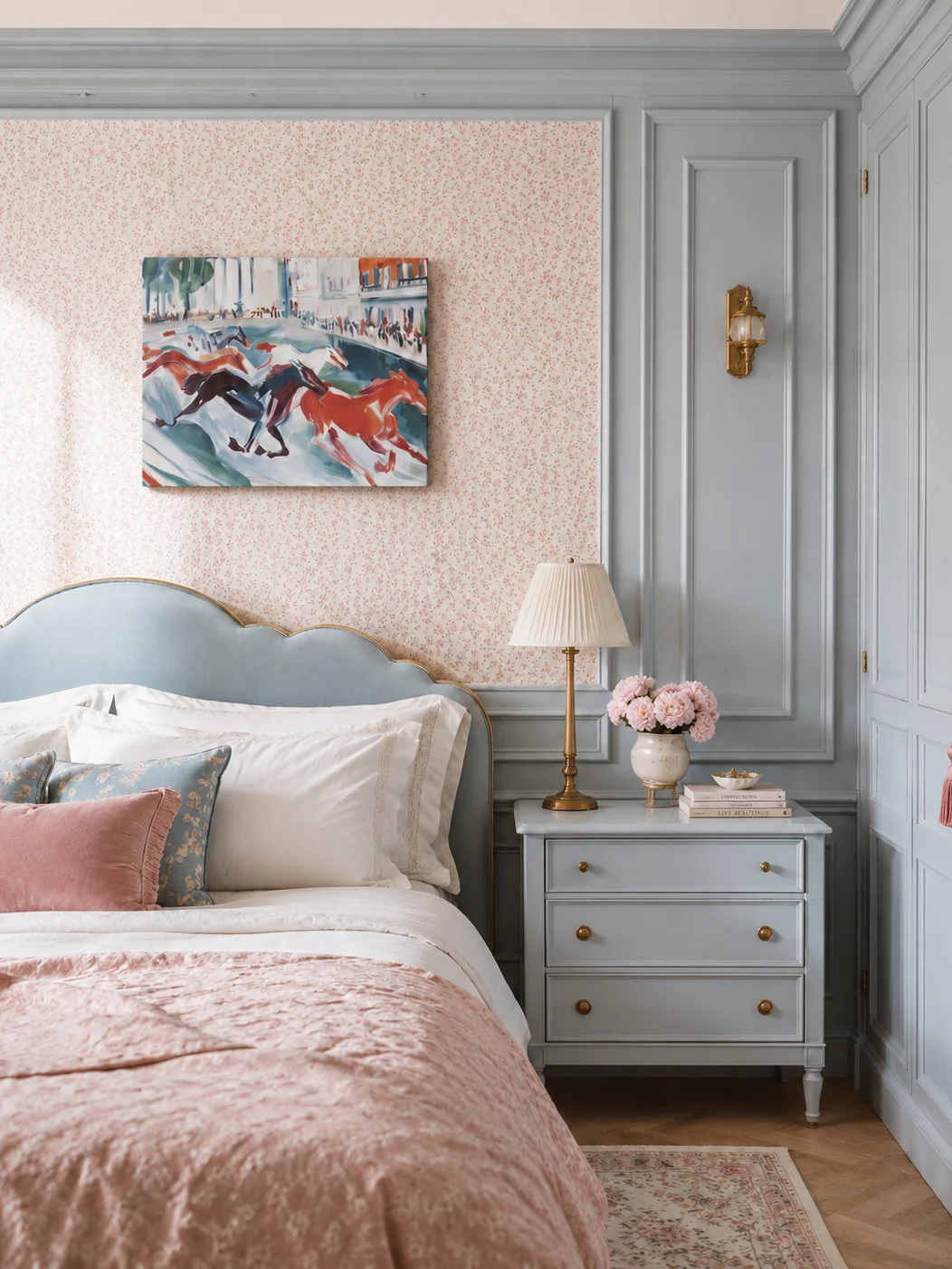
Equestrian Motion I horse canvas print in a collected interior
The editor’s selection

Equestrian Motion I

A study in energy and restraint, this work is suited to rooms that need movement without visual excess. Its painterly character pairs naturally with aged wood, linen, books and quieter architectural colors.

Displayed alone, it becomes a decisive focal point. As part of a series, it creates the visual cadence of sequential studies.

Shop the artwork

Continue directly with Part Two below.
06 · Choosing with intention

How to Choose Equestrian Art for Your Interior

Begin with the atmosphere of the room rather than a decorative label. Ask whether the space needs gravity, movement, softness or a sense of distance. The same subject can answer each need differently: a centered horse portrait brings order; a woodland rider introduces mystery; a racing composition gives a quiet room momentum.

For an English country room

Look for atmosphere rather than literal decoration: woodland, horses at rest, sporting dogs or softly painted movement. Florals, stripes and checks already provide pattern, so the artwork can bring structure and depth. Dark frames, warm timber and touches of brass feel natural, but one paler or more gestural work will prevent the room from becoming predictable.

For a formal or heritage interior

A centered portrait, a rider or a darker pastoral scene can hold its own against mouldings, antiques and architectural symmetry. Give the work generous space so that it reads as art rather than an accessory. If the furniture is substantial, choose a canvas with enough physical presence to meet it.

For a contemporary room

Use contrast. An expressive horse study can add humanity to clean lines, pale walls and modern furniture. A single confident piece is often more effective than several decorative references. Keep surrounding objects deliberate and allow negative space to sharpen the silhouette.

For a romantic or garden-led interior

Choose a pastoral scene, a pale horse or a rider within landscape. Botanical textiles and flowers soften the sporting tradition, while the equestrian subject gives floral rooms structure and prevents sweetness from becoming weightless.

For an eclectic, collector-led room

Pair equestrian art with objects from different periods. Repeat one quality—an earthy tone, a curved line, a dark frame—but resist making every element agree. The room should feel connected through sensibility, not purchased as a set.

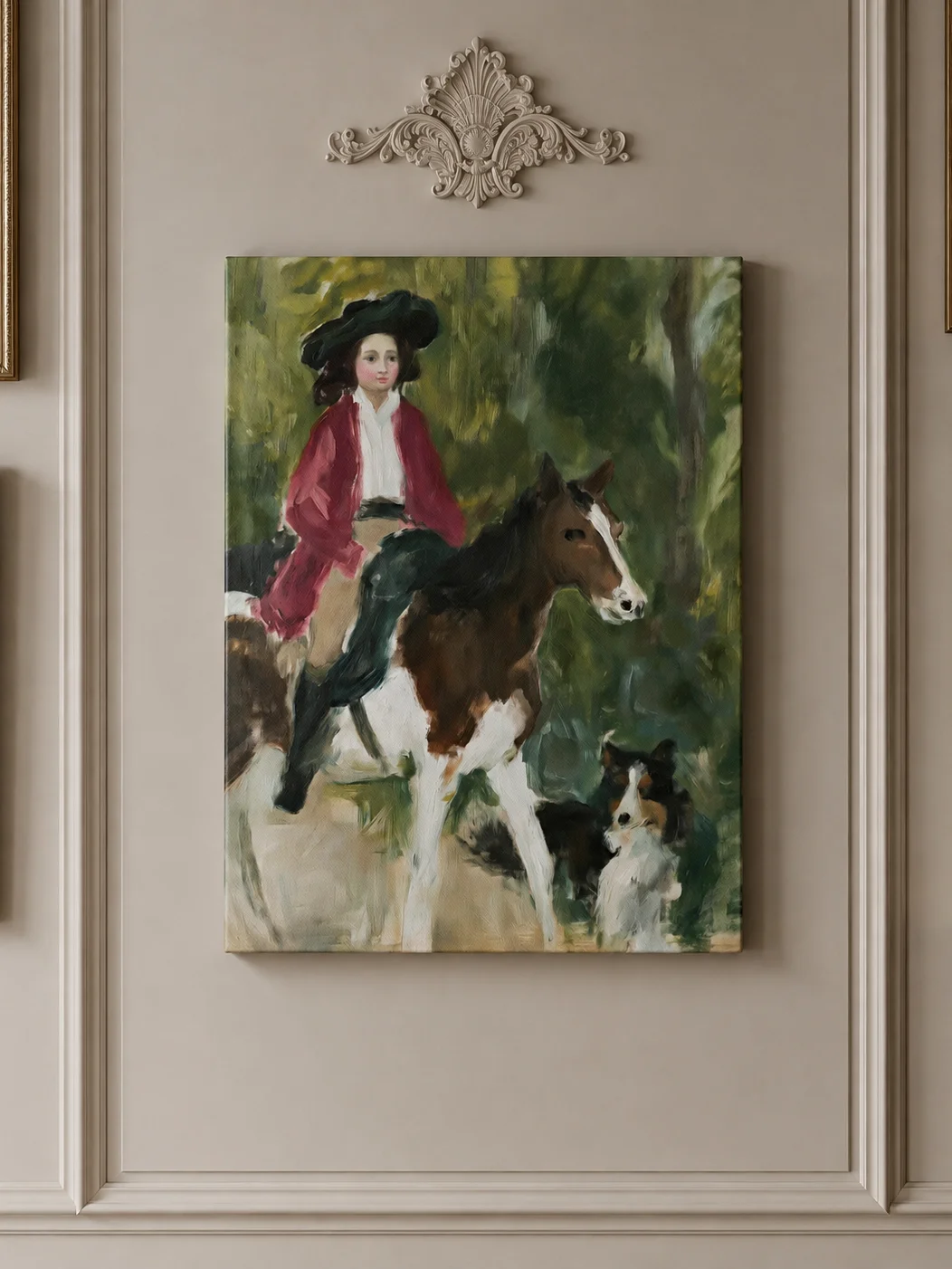
Woodland Cavalier I horse and rider canvas in an English country interior
Horse and rider

Woodland Cavalier I

A rider moving through a wooded landscape introduces narrative without revealing everything. It is this sense of a story before and after the depicted moment that makes the work especially suited to collected interiors.

Place it where its movement can lead the eye into the room: above a console, opposite an entrance or among books and objects that extend its atmosphere.

Shop the artwork
07 · Proportion and placement

Let the Horse Move into the Room

Direction matters. If the horse or rider faces left, consider placing the work where that movement leads the eye toward the center of the room rather than out through a doorway. A composition should feel as though it continues into the space around it.

Above a sofa or console, the artwork or complete grouping should generally occupy about two-thirds of the furniture width. In an open wall, begin with the center near eye level—approximately 145–152 cm from the floor—then adjust for architecture and viewing distance.

Small works gain presence beside books, lamps and objects. Large works need breathing room. For a complete sizing method, see our guide to choosing art for your home.

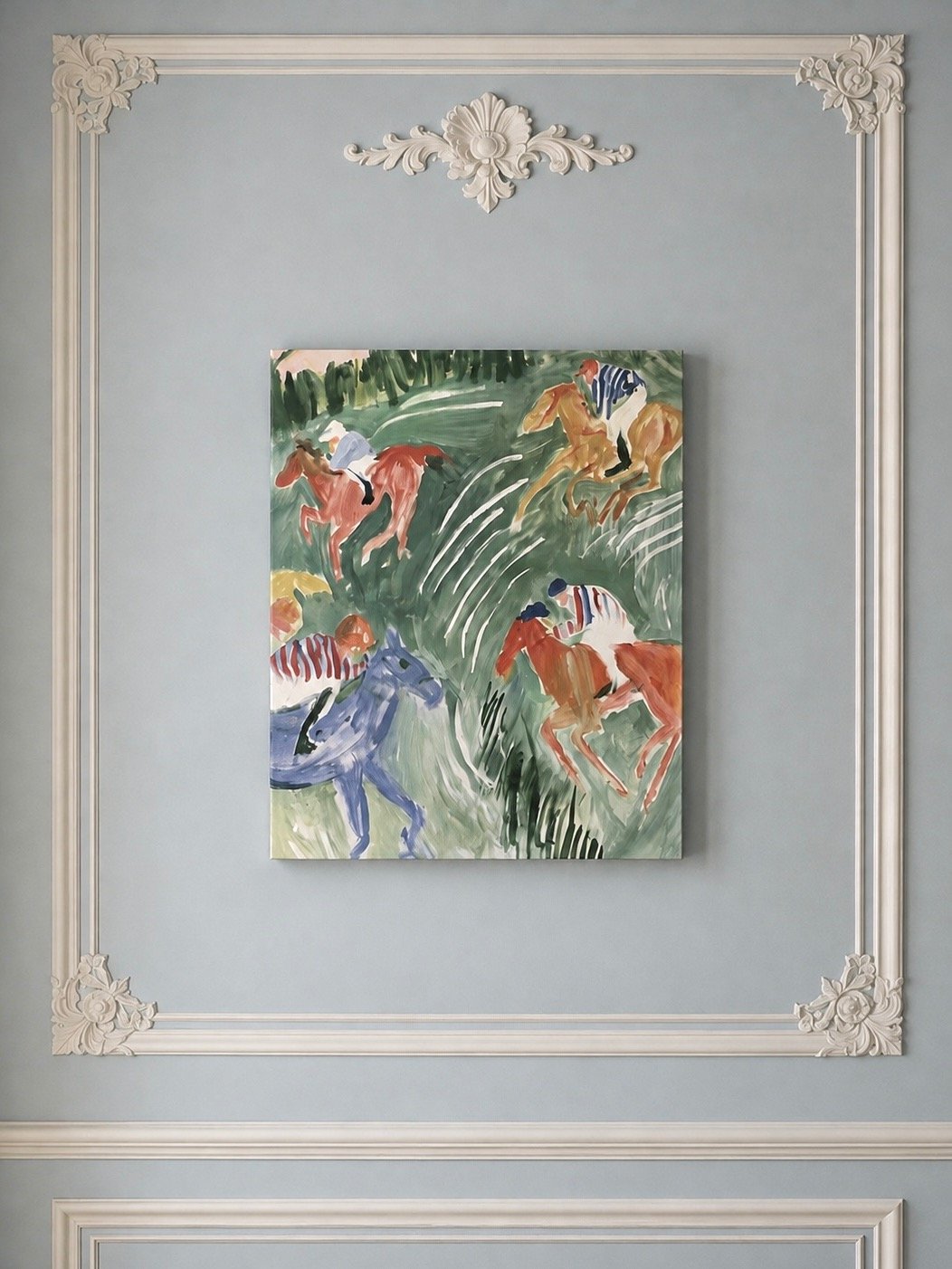
The Gallop I equestrian canvas positioned in a layered interior
Reading the composition

Orientation Changes the Experience

Horizontal equestrian art

Horizontal formats emphasize travel, landscape and speed. They are naturally suited to sofas, sideboards and beds because their movement follows the furniture below. A wide work can visually lengthen a compact room.

Vertical equestrian art

A vertical portrait feels more ceremonial and architectural. Use it between windows, over a narrow chest, beside a fireplace or at the end of a hallway. Its upright structure can balance tall ceilings and strong mouldings.

Square compositions

Square works create stillness even when the subject is active. They are versatile above smaller consoles and in pairs. In a room with many vertical and horizontal lines, a square canvas can introduce a welcome pause.

Pairs and triptychs

Related equestrian studies make the eye move from one gesture to the next. Keep spacing disciplined—usually 5–10 cm depending on scale—and treat the complete arrangement as one artwork when centering it above furniture.

Horse and rider canvas styled with books, textiles and collected furniture
08 · Color, texture and atmosphere

Look for Echoes, Not Exact Matches

A chestnut horse may echo warm mahogany or a rust-colored cushion. A cool sky can converse with blue-grey walls. Black tack or a dark silhouette may repeat the line of a lamp or frame. One or two echoes are enough.

Materials matter just as much as color. Leather, aged timber, brass and wool intensify the heritage quality of the subject. Linen, pale plaster and contemporary lighting make it feel lighter. Florals and botanical arrangements soften the sporting tradition and keep it from becoming overly masculine.

Do not dismiss a work because one color is unexpected. Often that unfamiliar blue, red or green is precisely what gives the room a new layer.

Framing the atmosphere

How Surrounding Materials Change the Artwork

Against olive, oxblood or tobacco-colored walls, equestrian art can feel intimate and enveloping. On cream or chalk-white plaster, the same work appears more graphic and contemporary. Patterned wallpaper creates another effect: the painting becomes a moment of visual rest within a lively field.

Frames behave like punctuation. Dark wood adds gravity; gilt introduces light; a narrow black edge makes a historical subject feel modern. Canvas can also remain unframed when its scale and gallery-wrapped depth give it sufficient presence.

Before choosing, consider the work at different times of day. Earth pigments and muted greens may become richer in evening light, while pale grounds and energetic lines often respond beautifully to daylight.

Choosing by temperament

Stillness, Speed or Story?

When several equestrian works appeal to you, compare the kind of attention each one asks from the viewer. A still portrait holds the gaze and gradually reveals details. A galloping horse is understood first as energy. A rider within landscape invites the mind to construct a story.

Choose stillness when the room is already expressive

Patterned upholstery, shelves, ceramics and layered textiles create visual movement of their own. A calm, centered horse can steady the composition and give the eye somewhere to rest.

Choose speed when the architecture needs life

Long walls, symmetrical furniture and restrained colors can benefit from a diagonal or repeated gesture. Movement prevents formality from becoming static.

Choose story when the room is meant for discovery

Libraries, hallways and collector-led living rooms respond beautifully to riders, woodland and country companions. Narrative imagery rewards repeated viewing because it never resolves into one decorative message.

Choose a study when you want to see the artist’s hand

Loose lines and incomplete forms bring immediacy. They bridge historical subject matter and contemporary sensibility, making them useful in rooms that mix periods.

09 · Placement

Equestrian Art, Room by Room

Living room

Choose a landscape-led composition or a work with enough scale to anchor the principal seating area. Let it establish the room’s emotional center.

Library or home office

Portraits, riders and sporting dogs sit beautifully among books, task lighting and collected objects. Smaller studies can be placed between shelves.

Entryway

A decisive single image establishes character immediately. Position it so it remains visible from an adjoining room and invites movement inward.

Dining room

Choose a calmer scene with depth and atmosphere. It should reward long viewing rather than demand attention throughout a meal.

Bedroom

Favor quieter movement, pale grounds or pastoral imagery. A pair of studies can create rhythm without making the room feel formal.

Hallway or stair

A sequence creates cadence and makes a transitional space feel intentionally collected. Follow the architecture rather than forcing perfect symmetry.

Above the fireplace

A centered portrait or vertical rider can answer the fireplace’s symmetry. Leave enough space between mantel objects and the artwork.

Country kitchen

A smaller sporting picture or dog portrait brings character without overwhelming cabinetry, ceramics and everyday objects.

The Hunting Party by Adriaen van de Velde, 1669
The Hunting Party, Adriaen van de Velde, 1669. Rijksmuseum, Amsterdam. Public Domain. View the museum record.
A lesson from the old masters

Not Every Equestrian Scene Needs Speed

Adriaen van de Velde’s The Hunting Party shows the calm beginning of an outing. Horses, riders, seated figures and dogs inhabit the landscape without urgency. The painting’s interest comes from relationships: one figure waits, another rests, an animal turns, and the eye moves quietly through the group.

This kind of composition is ideal for rooms that already contain energy through pattern, books or collected objects. Instead of adding more drama, the artwork offers depth and a place for the eye to wander.

It also demonstrates how sporting art can feel domestic. The dogs and pauses between figures make the scene less about spectacle than companionship and anticipation.

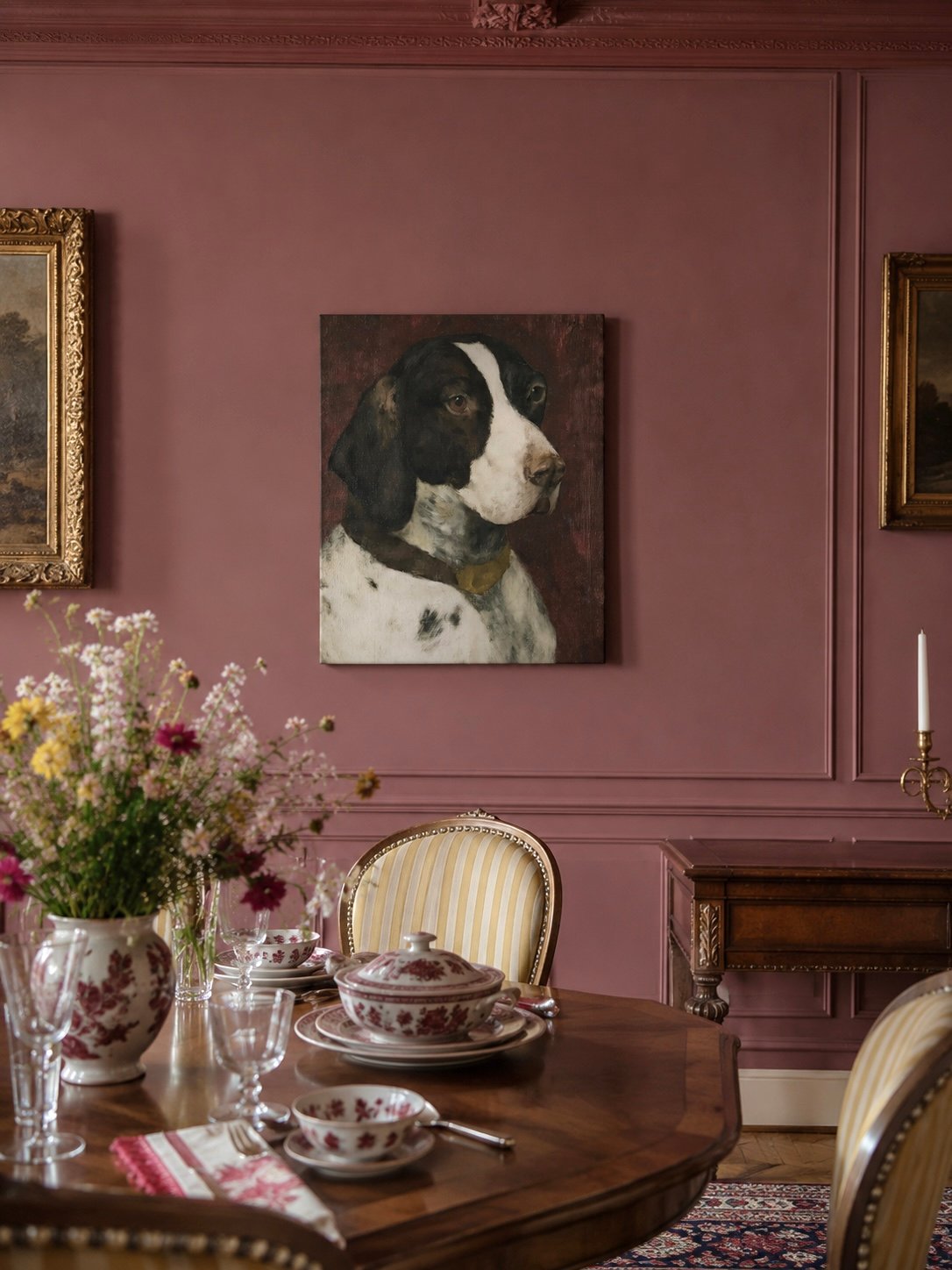
English Pointer Portrait sporting dog canvas in a traditional interior
Beyond the horse

The Sporting Dog Portrait

Sporting dogs bring a more intimate note to an equestrian collection. Their portraits introduce loyalty, alertness and domestic character—particularly in a library, entrance or room shaped by books and inherited furniture.

Mixed with horse paintings, they broaden the narrative from ceremony and motion to companionship and daily country life.

Shop English Pointer Portrait
10 · Building a collection

Mix Equestrian Art with Other Subjects

A collected wall becomes more convincing when the subject changes. Place a horse portrait beside a small landscape, a botanical study or an architectural scene. Let one work be quiet and another gestural. Frames may vary, provided a tone, material or visual weight repeats elsewhere.

With landscapes

This is the most natural pairing. A landscape expands the implied world of the horse portrait and gives the eye somewhere to travel.

With botanical art

Flowers and foliage soften the strength of equestrian imagery. The contrast is particularly effective in English country and romantic interiors.

With human portraits

Together they create a sense of lineage without requiring matching periods. Vary scale so that one portrait leads and the other supports.

With abstract or gestural work

Repeat motion rather than subject. A contemporary mark can answer the curve of a horse’s neck or the diagonal energy of a gallop.

With classical and architectural scenes

These add cultural depth and move the collection beyond sporting life. Shared earth tones can hold very different subjects together.

The goal is not perfect coordination. It is conversation. To develop the room beyond one wall, read How to Create a Collected Home.

The equestrian gallery wall

Create Rhythm Without Creating a Theme

Begin with one anchor: usually the largest, darkest or most emotionally immediate work. Place it slightly off center if the furniture or architecture already creates an asymmetrical composition. Add a quieter landscape, a study on paper and one unexpected subject.

Keep gaps consistent enough to create cohesion, but do not force every edge into a rigid grid. A salon-style arrangement benefits from small variations. Lay the complete grouping on the floor first and photograph several options before hanging.

Most importantly, stop before every space is filled. Empty wall around a group is part of the composition. It allows individual works to remain visible and leaves room for the collection to grow.

Woodland Cavalier I horse and rider canvas styled in a collected interior
11 · What to avoid

10 Common Mistakes

  1. Turning the room into a theme. One meaningful reference is stronger than many literal ones.
  2. Choosing art that is too small. Give the principal wall enough visual weight.
  3. Hanging it too high. Artwork should belong to the furniture grouping below it.
  4. Ignoring direction. Let the figure move toward the room, not appear to leave it.
  5. Matching every color. Connection is subtler than repetition.
  6. Using only dark materials. Linen, florals and pale walls can bring necessary lightness.
  7. Assuming equestrian means rustic. Contrast can make the subject distinctly contemporary.
  8. Making every frame identical. Related variation creates history and rhythm.
  9. Choosing a generic image without presence. Look for gesture, atmosphere or character.
  10. Buying the collection at once. Begin with the work you would move from one home to another.
12 · A considered beginning

How to Begin an Equestrian Collection

1. Choose the wall that matters most

Start where the artwork will shape the experience of the room: above the sofa, opposite the entrance, beside the library or at the end of a view.

2. Define an atmosphere

Use words rather than colors. Quiet, windswept, formal, intimate, energetic or pastoral will guide you more effectively than “blue” or “brown.”

3. Decide between stillness and movement

A portrait anchors; a rider suggests narrative; a gallop creates energy; a study introduces the artist’s hand.

4. Measure the relationship

Consider furniture width, ceiling height, viewing distance and the empty space around the work—not only the dimensions of the wall.

5. Choose the work you would keep

The strongest first purchase is the artwork you can imagine in several rooms and in a future home. Versatility is part of timelessness.

6. Add companions slowly

Let the second work change the conversation. Introduce landscape, botany, portraiture or abstraction rather than merely repeating the first subject.

Frequently asked questions

Equestrian Wall Art

What is equestrian wall art?

Equestrian wall art depicts horses, riders, racing, sporting life or horses within landscape. It ranges from formal portraiture and historical paintings to expressive studies and contemporary canvas interpretations.

Is equestrian art only suitable for country homes?

No. Traditional imagery can give a contemporary room warmth and history, while a gestural horse study can introduce movement without making the interior feel rustic.

Where should equestrian artwork be displayed?

It works especially well in living rooms, libraries, entrances, offices and dining rooms. Choose placement according to scale, viewing distance and the direction of the figure.

What colors work with horse wall art?

Earth tones, olive, burgundy, blue-grey, cream and natural wood are classic companions, but contrast is equally effective. The artwork need only echo one or two qualities in the room.

How large should equestrian art be above a sofa?

As a useful starting point, the artwork or complete grouping should occupy roughly two-thirds of the sofa width. Adjust according to ceiling height, furniture scale and the amount of surrounding wall.

Can horse paintings work in modern interiors?

Yes. A single equestrian canvas against restrained architecture creates a compelling dialogue between history and modernity. Keep the surrounding styling deliberate and uncluttered.

How do I create an equestrian gallery wall?

Begin with one anchor work, then add landscapes, botanical art, sketches or a sporting dog portrait. Vary subjects and sizes while repeating a color, frame material or visual rhythm.

Should equestrian wall art be framed?

It depends on the work and the room. Dark wood or gilt strengthens a traditional atmosphere; a narrow black frame feels more contemporary. Gallery-wrapped canvas can remain unframed when its depth and scale provide sufficient presence.

For homes that tell stories

Choose Art You Want to Live With

The right equestrian artwork should feel less like a finishing touch and more like the beginning of a collection—one that can move, change and gather meaning with the home around it.

Explore the Heritage Collection