Canvas Prints for Collected Homes
What Are Canvas Prints for Collected Homes?

A collected home is never shaped by decoration alone.
It is shaped by the pieces we choose to live with.
The objects that quietly accompany ordinary mornings. The books that remain open beside a favourite chair. The flowers placed on a table without waiting for a special occasion. The artwork that becomes so familiar, it begins to feel inseparable from the room itself.
Great Artwork Creates Atmosphere
A landscape may recall a place once visited or one still imagined.
A botanical composition may bring the softness of a garden into the home throughout every season.
An equestrian portrait may introduce quiet strength.
A floral still life may fill a room with warmth long after fresh flowers have faded.
The subject matters.
But the feeling matters more.
A meaningful canvas print creates a relationship with the person who chooses it.
At first, it may be the colour that draws the eye.
Later, it becomes the way the painting changes beneath morning light.
The way it brings balance to an antique chest.
The way it softens a contemporary room.
The way it becomes part of birthdays, dinners, conversations, and quiet evenings at home.
Over time, the artwork gathers memories of its own.
This is what allows a canvas print to become part of a collected home.
Not age.
Not price.
Not rarity.
But presence.
Canvas Prints Shape the Character of a Room
The finest canvas prints do not feel like accessories added after the important decorating decisions have already been made.
They help define the room from the beginning.
Artwork can establish a palette before textiles are chosen.
It can influence the placement of furniture.
It can introduce contrast into an otherwise restrained interior.
It can connect old and new pieces through colour, subject, or emotion.
A single painting may become the quiet thread that brings an entire room together.
Texture Brings Warmth to Collected Interiors
Canvas also possesses a physical quality that makes it particularly suited to layered interiors.
Unlike a flat poster or glossy photographic print, canvas has texture.
Its woven surface interacts gently with light.
Its depth allows the artwork to project slightly from the wall.
Its edges create a sense of permanence, especially when the image continues around the sides of a gallery-wrapped frame.
The result feels less like a printed object placed upon a wall and more like a piece that belongs within the architecture of the room.
This tactile presence matters in a collected home.
Collected interiors are built through material relationships.
Linen beside oak.
Brass against painted walls.
Ceramics resting upon marble.
Soft upholstery beneath aged wood.
Canvas artwork enters this conversation naturally.
Its texture complements the materials around it without demanding that everything match.
It adds another layer.
Another surface.
Another story.
Canvas Prints Make Art More Accessible
Canvas prints also make collecting art more accessible.
Not every meaningful work within a home needs to be an original painting or a valuable antique.
A collected interior is not defined by exclusivity.
It is defined by discernment.
An accessible canvas print, selected with care and produced with attention to colour, texture, scale, and construction, may contribute far more character than an expensive object chosen without personal connection.
What matters is whether the artwork feels intentional.
Whether it reflects something genuine.
Whether it can remain meaningful after the surrounding trends have changed.
Every Artwork Has Its Place
A collected home may contain original paintings, inherited portraits, antique prints, family photographs, contemporary works, and canvas editions all living comfortably together.
There is no hierarchy.
Each piece earns its place through the role it plays within the home.
Some works carry history.
Others introduce freshness.
Some become focal points.
Others create quiet moments that reveal themselves slowly.
Together, they form a collection that could belong to no one else.
Decorating a Home vs Collecting Art
This is the essential difference between decorating with artwork and collecting it.
Decoration asks:
“What will fill this space?”
Collecting asks:
“What deserves to live here?”
The first seeks completion.
The second seeks connection.
Canvas prints for collected homes are chosen with this longer perspective in mind.
They are not expected to transform an interior for a single season.
They are selected to remain.
To move from one room to another as the home evolves.
To accompany different furniture, different colours, different chapters of life.
To become increasingly familiar without becoming invisible.
Because the most meaningful artwork does not need to ask for attention every day.
It simply continues to give something back.
Calm.
Beauty.
Curiosity.
Comfort.
A sense of place.
A collected home is never finished, and its artwork should not make it feel finished.
Instead, every canvas becomes another chapter.
Another layer added slowly.
Another image that enters the life of the room and stays long enough to become part of its memory.
That is what defines canvas prints for collected homes.
They do not merely decorate the walls.
They help the home tell its story.
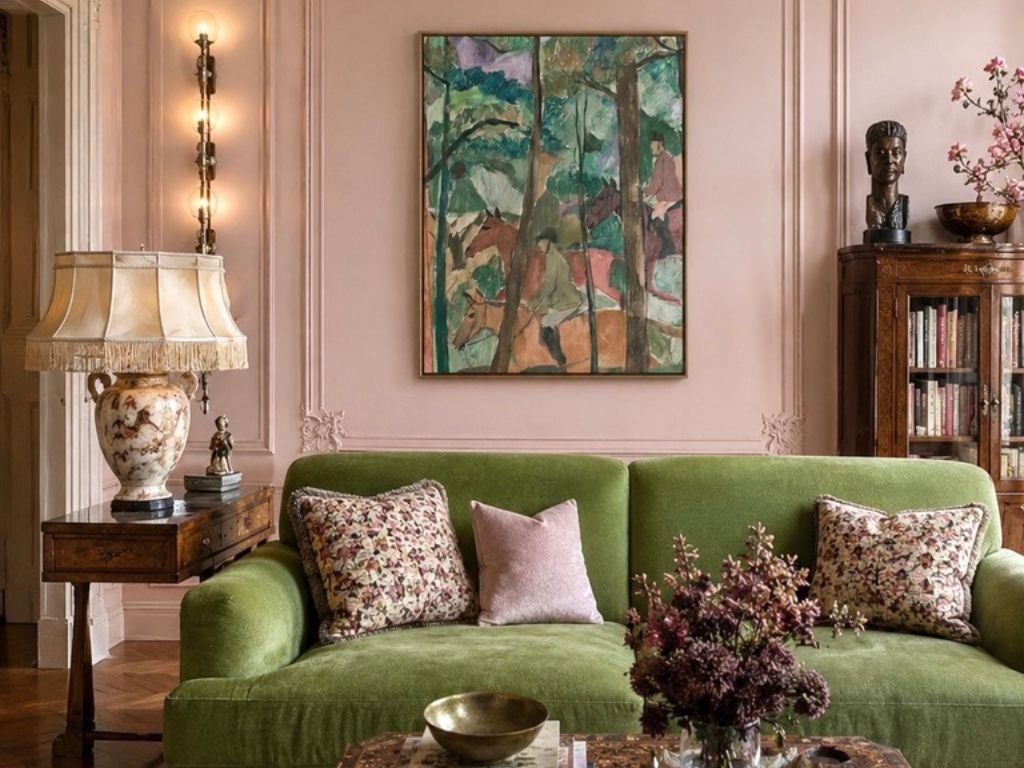
Every collected home is built through layers.
Layers of architecture.
Layers of light.
Layers of books, textiles, flowers, furniture, and objects gathered over time.
Artwork is one of those layers.
Often, it is the one that quietly brings every other element together.
Without it, a room may feel beautifully furnished.
With it, the room begins to feel inhabited.
Canvas prints possess a unique ability to introduce atmosphere without overwhelming a space.
Unlike decorative accessories that compete for attention, thoughtfully chosen artwork shapes the emotional character of a room in quieter ways.
A soft botanical composition can make an interior feel lighter.
A landscape can introduce stillness.
An expressive floral painting may add warmth to a restrained palette.
A vintage-inspired equestrian portrait can bring a sense of history into an otherwise contemporary home.
The effect is rarely dramatic.
It is gradual.
Almost subconscious.
And that is precisely why it lasts.
Artwork Connects Every Element of a Room
Collected interiors rarely rely on statement pieces alone.
Instead, they allow many thoughtful decisions to work together.
A linen sofa becomes softer beside an olive landscape.
An antique chest feels renewed beneath a contemporary floral composition.
A marble console gains warmth when paired with painterly botanicals.
The artwork does not simply occupy the wall.
It participates in the room.
This relationship between artwork and interior is one of the defining characteristics of collected living.
Nothing exists in isolation.
Every object quietly influences the next.
The colours of a painting may be echoed by a ceramic bowl resting on a nearby table.
The rhythm of botanical branches may continue into fresh flowers arranged across the room.
The muted blues within a landscape may reappear in a woven rug or a striped armchair.
These subtle conversations create harmony without demanding perfect coordination.
Collected homes are not built around matching.
They are built around resonance.
Artwork often becomes the bridge that connects those relationships.
Canvas Prints Bring Balance Through Scale
Canvas prints contribute something that many other decorative objects cannot.
Scale.
A painting has the ability to anchor an entire wall without requiring numerous smaller accessories.
One carefully chosen canvas above a fireplace, sofa, or dining table often creates more visual balance than several decorative objects scattered throughout the room.
Instead of adding clutter, it introduces clarity.
This simplicity is one of the quiet luxuries of collected interiors.
The room breathes.
The eye rests.
The atmosphere feels composed rather than decorated.
Texture Adds Warmth to the Home
Texture also plays an essential role.
Collected homes celebrate materials that invite closer observation.
The grain of oak.
The weave of linen.
The irregular surface of handmade ceramics.
The gentle patina of aged brass.
Canvas belongs naturally within this family of materials.
Its woven surface catches light differently throughout the day, revealing subtle depth that flat paper prints rarely achieve.
Morning light may soften its colours.
Evening shadows may reveal the texture of the canvas itself.
The artwork changes quietly alongside the rhythm of the home.
Canvas Prints Change Beautifully With Light
This changing quality gives canvas prints an almost living presence.
They are never experienced exactly the same way twice.
As daylight shifts through the seasons, familiar paintings continue revealing new details.
A brushstroke becomes more noticeable.
A muted colour appears richer.
A shadow creates unexpected depth.
The artwork grows more familiar while remaining endlessly interesting.
Perhaps this is why people rarely tire of living alongside paintings they truly love.
Great Artwork Is Meant to Be Lived With
Collected homes also understand that beauty should never feel fragile.
Artwork is meant to be lived with.
It should witness birthday celebrations, quiet breakfasts, long conversations, changing furniture, children’s drawings on the table, fresh flowers in spring, and candlelight in winter.
The canvas becomes part of everyday life rather than something reserved for admiration alone.
Over time, the room and the artwork begin to shape one another.
Canvas Prints Suit Every Interior Style
This is one reason gallery-wrapped canvas prints have become such a natural choice for timeless interiors.
Their depth allows them to feel substantial without requiring elaborate framing.
Their clean silhouette suits both historic architecture and contemporary spaces.
Whether displayed above an eighteenth-century console or a minimalist oak sideboard, they feel equally at home.
They bridge different decorating styles with remarkable ease.
Collected interiors often combine pieces from many periods.
An antique mirror.
A modern sofa.
Vintage ceramics.
Contemporary lighting.
Old books.
Fresh flowers.
Canvas prints move comfortably between these worlds.
They neither feel overly traditional nor aggressively modern.
Instead, they provide a quiet visual constant that allows every surrounding object to contribute its own voice.
Artwork Becomes Part of the Story of the Home
There is another reason canvas prints belong so naturally in collected homes.
They encourage permanence.
When we choose artwork carefully, we rarely replace it every few years.
Instead, we begin building a relationship with it.
The painting moves with us from one house to another.
It hangs above different fireplaces.
Different dining tables.
Different beds.
Children grow up beneath it.
Guests begin recognising it.
It slowly becomes inseparable from the memory of the home itself.
Very few decorative objects possess this kind of longevity.
A vase may move from room to room.
A cushion may eventually be replaced.
Furniture may be reupholstered.
But meaningful artwork often remains.
It quietly accompanies every new chapter.
This permanence reflects the very philosophy of collected living.
Beautiful homes are not created through constant reinvention.
They become beautiful because certain pieces remain while everything else gently evolves around them.
Canvas prints have the remarkable ability to become those lasting pieces.
Not because they demand attention.
But because they continue rewarding it.
The longer they remain, the more naturally they belong.
Perhaps that is the greatest contribution artwork makes to a collected interior.
It reminds us that a home is not assembled all at once.
It is composed patiently.
One meaningful piece.
One thoughtful decision.
One beautiful painting at a time.
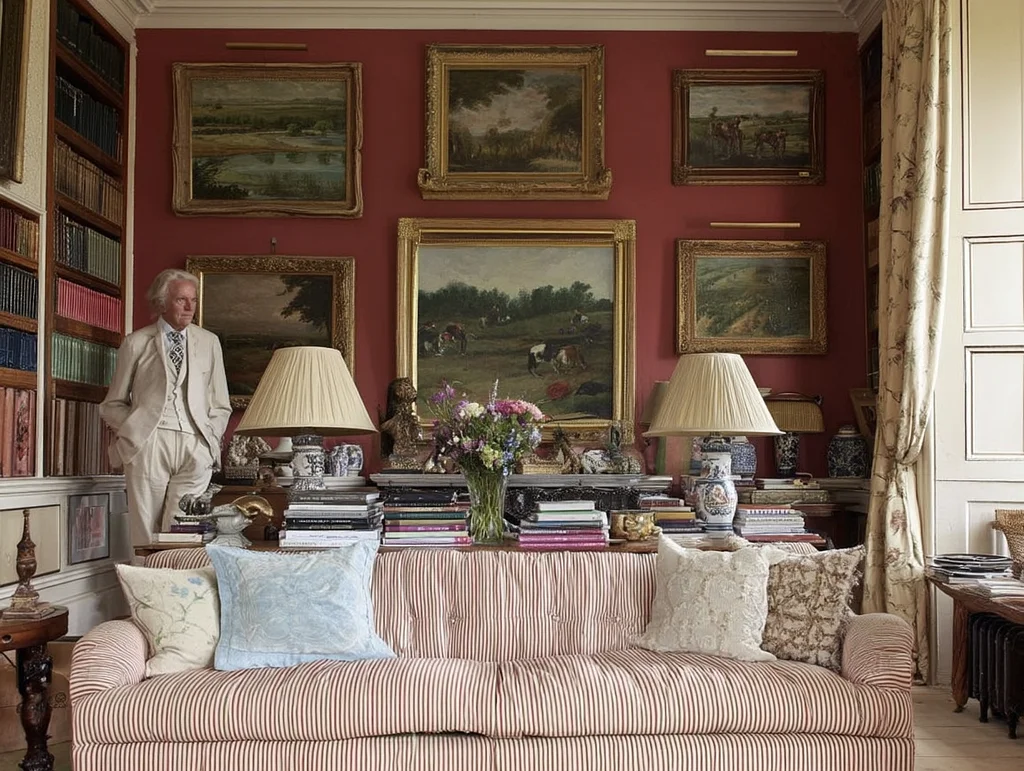
The History of Canvas Art in the Home
Long before walls were filled with framed prints, gallery walls, and carefully curated interiors, paintings lived on canvas.
For centuries, canvas has been one of the most enduring surfaces in the history of Western art.
It travelled with artists across Europe.
It hung in country houses, palaces, libraries, manor homes, and city apartments.
It witnessed changing fashions, different generations, and countless lives unfolding beneath it.
Today, although the methods of reproduction have evolved, the canvas itself continues to carry the same quiet sense of permanence.
Why Artists Began Painting on Canvas
Before the sixteenth century, many European paintings were created on wooden panels.
While beautiful, they were heavy, expensive, and increasingly impractical for larger works.
Canvas offered artists something entirely different.
It was lighter.
More flexible.
Easier to transport.
Capable of supporting paintings of remarkable scale.
Perhaps most importantly, it allowed brushwork to become freer and more expressive.
The Rise of Canvas During the Renaissance
Venice played an especially important role in this transformation.
Surrounded by maritime trade and an abundance of woven sailcloth, Venetian painters began embracing canvas as their preferred surface.
The material proved perfectly suited to the rich layers of oil paint that would become characteristic of the Italian Renaissance.
From there, its popularity spread throughout Europe.
Dutch masters painted luminous interiors upon canvas.
French artists captured gardens, landscapes, and everyday life.
British portraitists filled grand country houses with family histories preserved in paint.
Across the continent, canvas gradually became inseparable from the idea of fine art itself.
Canvas Paintings Became Part of the Home
Yet these paintings were never created merely as decoration.
They became part of the architecture of the home.
Large landscapes anchored drawing rooms.
Portraits watched over staircases.
Still lifes brought warmth to dining rooms.
Botanical studies introduced quiet elegance into libraries and private studies.
The paintings remained in place for decades.
Often for centuries.
Families grew alongside them.
Children inherited them.
Rooms changed around them.
The artwork endured.
This tradition quietly shaped the way we continue to think about interiors today.
Even in homes that contain contemporary furniture and modern architecture, canvas still carries this historical memory.
Its presence feels familiar because generations before us lived alongside it.
The relationship between canvas and the home has always been remarkably intimate.
Unlike sculpture, which often occupies a room physically, or decorative accessories that may change with the seasons, paintings become part of the walls themselves.
They define the atmosphere without interrupting daily life.
A room slowly begins to feel incomplete without them.
The Growth of Art Collecting
As collecting art became more widespread during the eighteenth and nineteenth centuries, paintings gradually moved beyond royal collections and aristocratic estates.
Merchants, scholars, writers, and professionals began filling their homes with landscapes, portraits, floral compositions, architectural studies, and scenes inspired by their travels.
The home itself became a reflection of curiosity.
A visual diary of experiences, interests, and aspirations.
Not every painting was commissioned.
Not every work was created by a celebrated master.
Many were acquired simply because they spoke to their owners.
This quieter tradition of collecting remains deeply relevant today.
It reminds us that meaningful interiors have never depended solely upon rarity or prestige.
They have always depended upon personal connection.
Modern Canvas Prints Continue This Tradition
The twentieth century transformed the way people could live with art.
Advances in printing technology made high-quality reproductions increasingly accessible, allowing beautifully composed paintings to enter homes that might never have been able to acquire original masterpieces.
For the first time, thoughtfully chosen artwork became available to a far wider audience.
This was not the beginning of collecting.
It was the expansion of it.
Today, contemporary canvas printing continues that evolution.
Modern archival printing techniques are capable of preserving extraordinary colour, remarkable detail, and impressive longevity.
Gallery wrapping allows the image to continue around the sides of the canvas, creating a finished object rather than a simple reproduction mounted behind glass.
The result honours the visual language of traditional paintings while embracing contemporary craftsmanship.
In many ways, today’s premium canvas prints sit between two worlds.
They celebrate centuries of artistic tradition while acknowledging the realities of modern living.
Not every home can acquire original oil paintings by historic artists.
Nor does every collected interior require them.
Instead, beautifully produced canvas prints allow timeless compositions to continue enriching everyday life.
Why Canvas Remains Timeless
The philosophy remains remarkably unchanged.
Choose artwork that moves you.
Live alongside it.
Allow it to become part of your daily rituals.
Allow it to gather memories.
Whether a painting was created yesterday or five hundred years ago matters less than the place it earns within the home.
This is perhaps the greatest lesson history offers.
The finest interiors have never been defined by owning the rarest artworks.
They have been defined by living thoughtfully with the ones they chose.
That same principle continues to guide collected homes today.
Canvas has changed remarkably little over the centuries.
Homes have changed dramatically.
Architecture has evolved.
Furniture has transformed.
Lighting has become electric.
Rooms have become more open.
Styles have shifted from classical to modern and back again.
Yet canvas remains.
Its woven surface still softens light.
Its quiet texture still complements natural materials.
Its presence still brings warmth to empty walls.
Perhaps that continuity explains why canvas prints feel so timeless.
They are not simply a modern decorating choice.
They belong to a tradition that has shaped beautiful homes for generations.
Every contemporary gallery-wrapped canvas carries something of that history.
Not only as an object.
But as an invitation.
To collect slowly.
To choose thoughtfully.
And to create a home where art is not merely displayed, but truly lived with.
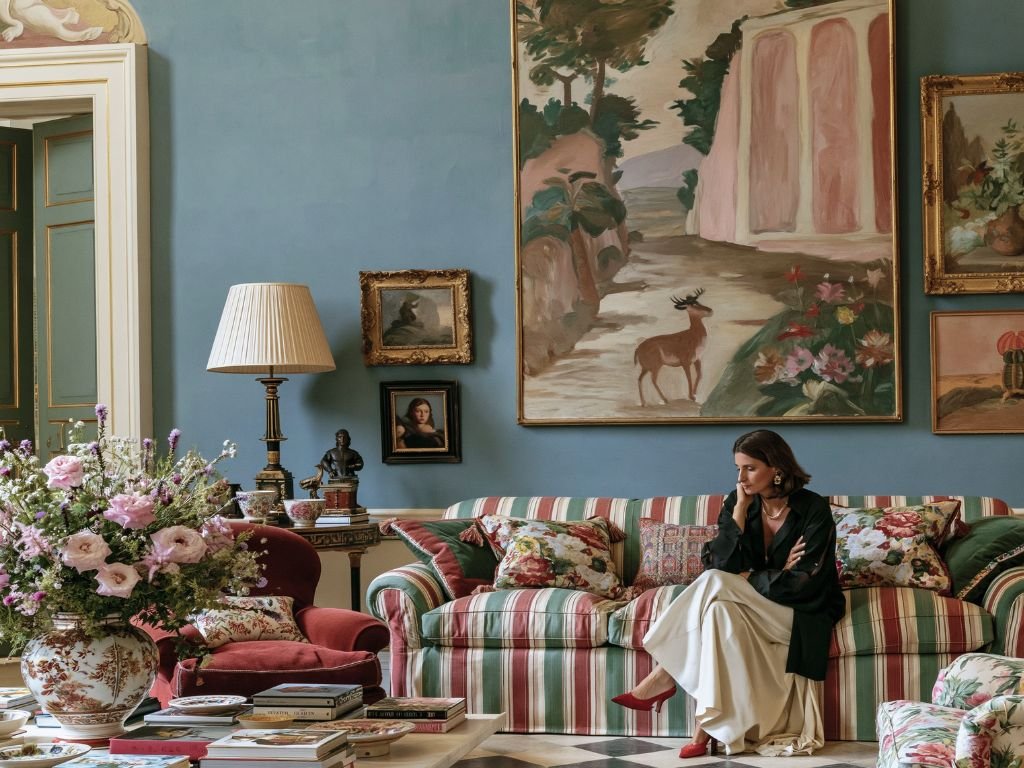
The Philosophy of Collecting Art for the Home
There is a quiet difference between buying artwork and collecting it.
One is a transaction.
The other is the beginning of a relationship.
Collected homes understand this distinction instinctively.
They do not search for paintings simply because a wall feels empty or a room appears unfinished.
Instead, they look for pieces capable of becoming part of everyday life.
Artwork chosen this way is never temporary.
It is welcomed into the home with the expectation that it will remain.
Great Art Creates an Emotional Connection
These questions rarely have immediate answers.
And that is precisely the point.
Collected homes reward patience.
The finest artwork often announces itself quietly.
It may not be the loudest piece in the gallery.
It may not follow the colours currently filling magazines and social media.
Its appeal is usually more subtle.
More lasting.
Something about it continues returning to your thoughts long after you have left.
Perhaps it is the softness of a landscape.
The rhythm of wildflowers moving across a canvas.
The elegance of an equestrian portrait.
The calm of a still life.
The balance of an abstract composition.
The subject itself is only the beginning.
The emotional response is what truly matters.
Your Art Collection Reflects Your Personality
This is why meaningful collections rarely feel predictable.
Every home develops its own visual language.
Some people are endlessly drawn to botanical paintings.
Others surround themselves with coastal landscapes.
Some collect expressive florals.
Others prefer architectural studies or quietly abstract compositions.
None of these choices are more correct than another.
They simply reflect different ways of seeing the world.
Over time, these preferences begin to reveal something surprisingly personal.
Artwork becomes a portrait of the collector as much as the artist.
The paintings we choose often mirror the atmosphere we wish to create within our lives.
Living With Art Changes the Way You Experience It
Collected homes understand that living with art is not a passive experience.
A painting continues changing long after it has been hung.
Morning light reveals colours that evening shadows conceal.
Different seasons alter its relationship with the room.
Furniture may be rearranged.
Walls may be repainted.
Flowers come and go.
The artwork remains.
Yet it never feels exactly the same.
This quiet evolution explains why truly meaningful paintings rarely become boring.
Instead, familiarity deepens appreciation.
Small details emerge over time.
A colour once overlooked becomes a favourite.
A particular brushstroke begins catching the afternoon light.
The painting slowly reveals itself rather than offering everything at once.
Very few decorative objects possess this kind of lasting conversation.
A Thoughtful Art Collection Grows Slowly
Collecting art also teaches restraint.
Not every wall needs a painting.
Not every room requires a focal point.
Some works deserve generous empty space around them.
Others feel strongest when surrounded by books, ceramics, and collected objects.
Understanding this balance is part of collecting itself.
The goal is never to own as much artwork as possible.
It is to own the right artwork.
A carefully chosen collection often grows surprisingly slowly.
One canvas this year.
Another discovered while travelling.
A small floral composition found unexpectedly.
A landscape acquired after moving into a new home.
The collection expands naturally alongside life itself.
There is no urgency.
No finish line.
No pressure to complete every room immediately.
This gradual rhythm is what gives collected homes their authenticity.
Nothing appears purchased all at once because it wasn’t.
Each addition marks a different chapter.
The collection becomes a visual record of time passing.
The True Value of Art Goes Beyond Price
This philosophy also changes how we think about value.
The worth of a painting cannot always be measured by rarity or price.
Some of the most treasured works within a home are not the most expensive.
They are simply the ones most deeply loved.
The landscape that reminds someone of childhood.
The botanical print collected after a memorable journey.
The floral painting chosen when a family moved into their first home.
These works acquire emotional value that no auction estimate could ever measure.
Collected interiors recognise this invisible richness.
They understand that memory is one of the finest forms of provenance.
Anyone Can Start an Art Collection
Perhaps the greatest misconception is that collecting art requires expert knowledge.
It does not.
It requires curiosity.
It requires attention.
And above all, it requires honesty.
The best collections are rarely assembled by asking what everyone else admires.
They emerge by noticing what quietly continues to move you.
You do not need to wait until you can purchase museum masterpieces before beginning a collection.
Meaningful collections often begin with a single carefully chosen canvas print.
A piece selected because it introduced calm into a room.
Because it reflected a favourite landscape.
Because its colours felt timeless.
Because living with it simply felt right.
From there, the collection grows naturally.
Each new piece enters into conversation with those already present.
Relationships begin to form between paintings.
Between artwork and furniture.
Between artwork and architecture.
Between artwork and the lives unfolding around them.
Eventually, something remarkable happens.
Guests stop noticing individual paintings.
Instead, they notice the atmosphere.
The home feels calm.
Layered.
Personal.
Complete, yet still evolving.
That feeling cannot be purchased all at once.
It can only be collected.
One thoughtful decision after another.
One meaningful painting at a time.
Because collecting art has never been about filling walls.
It has always been about shaping the emotional landscape of the home.
And that landscape, like the home itself, becomes richer with every passing year.
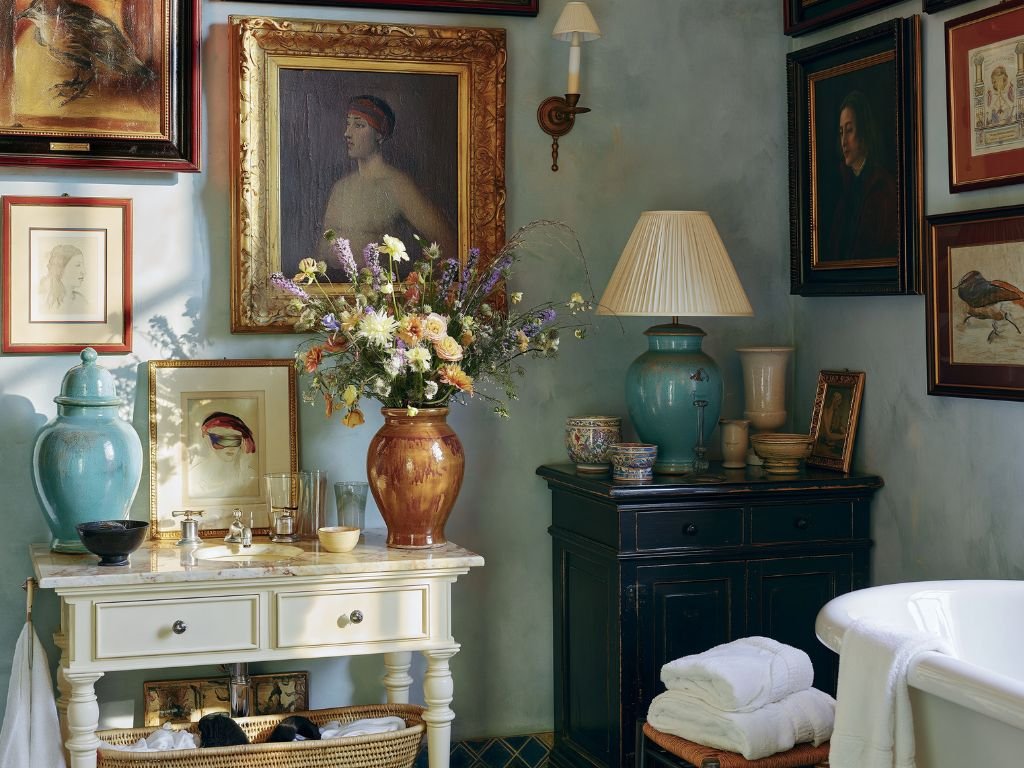
Original Paintings vs. Canvas Prints: What Is the Difference?
Collected homes rarely divide their walls according to hierarchy.
Instead, they allow different forms of art to exist together naturally, each contributing its own beauty, history, and atmosphere. An original painting may hang beside a contemporary canvas print, a family photograph beside an antique engraving, or a vintage illustration beside a modern abstract composition. Together, these pieces create an interior that feels layered, personal, and quietly authentic.
Canvas Prints Are Works in Their Own Right
This distinction is important.
A premium canvas print is not pretending to be something it is not.
It is its own object.
Created using contemporary printing techniques.
Produced on woven canvas.
Carefully stretched by hand.
Designed to be enjoyed for many years.
It embraces craftsmanship in a different form.
Canvas Prints Make Art More Accessible
Accessibility is another important difference.
Original paintings often require significant investment.
For emerging collectors, young families, first homes, or those furnishing larger interiors, acquiring multiple originals may simply not be practical.
Canvas prints allow people to begin collecting thoughtfully without waiting for the perfect moment many years in the future.
A home does not become collected because every painting is original.
It becomes collected because every artwork has been chosen with intention.
This philosophy encourages something far more valuable than exclusivity.
It encourages engagement.
People become more willing to surround themselves with art.
To experiment.
To discover what subjects they genuinely love.
To build confidence in their own taste.
Many lifelong collectors began exactly this way.
Living first with beautifully produced editions before gradually introducing original works over time.
The two coexist naturally.
They enrich one another.
Where Canvas Prints Work Beautifully
There is also a practical beauty to canvas prints.
Their versatility allows them to inhabit spaces where original paintings may not always be appropriate.
A dining room.
A hallway.
A holiday home.
A nursery.
A kitchen breakfast corner.
A reading nook.
These are places where meaningful artwork contributes enormously to daily life, regardless of whether it is an original or an edition.
The atmosphere remains equally real.
Emotion does not depend upon exclusivity.
Texture and Craftsmanship
Texture is often another point of comparison.
Original paintings possess physical layers of paint that create depth and subtle variations across the surface.
Canvas prints interpret that image differently.
Rather than reproducing individual brushstrokes in relief, they preserve the composition, colour, movement, and overall visual character while introducing the natural texture of woven canvas itself.
The result remains warm, tactile, and inviting.
Far removed from the flat appearance of standard paper reproductions.
Modern printing technology has also transformed expectations.
Contemporary archival pigment printing captures remarkable colour accuracy, tonal depth, and fine detail.
Subtle transitions remain soft.
Dark colours retain richness.
Gentle neutrals preserve their complexity.
When combined with premium canvas and careful craftsmanship, the finished piece feels substantial, elegant, and remarkably refined.
Built to Be Enjoyed for Years
Longevity is equally important.
A thoughtfully produced canvas print is created with permanence in mind.
Archival inks resist fading.
Quality canvas remains stable.
A carefully constructed wooden stretcher preserves the integrity of the piece over many years.
With appropriate care, a premium canvas print can accompany a home through decades of changing interiors.
Perhaps not unlike the original paintings that inspired it.
Great Art Is Meant to Be Lived With
This brings us to something collected homes understand particularly well.
Art is experienced through living with it.
Not merely through owning it.
Whether a painting is an original oil on canvas or a beautifully crafted gallery-wrapped print, its true value begins the moment it enters the rhythms of everyday life.
It becomes part of morning light.
Family dinners.
Quiet afternoons.
Changing seasons.
Children growing taller.
Books accumulating.
Furniture moving from one house to another.
The artwork quietly witnesses it all.
Collected interiors rarely divide their walls according to hierarchy.
An inherited oil painting may hang beside a contemporary canvas edition.
A museum poster may accompany antique engravings.
Family photographs may rest beneath botanical compositions.
Different forms of art coexist because each contributes something unique.
The collection reflects life itself.
Rich.
Layered.
Personal.
Should You Choose an Original Painting or a Canvas Print?
Ultimately, the decision between an original painting and a canvas print is not about choosing between authenticity and compromise.
It is about choosing the artwork that belongs within your home.
Sometimes that will be an original.
Sometimes it will be a beautifully produced canvas edition.
Both deserve a place when they are selected thoughtfully.
Because the most memorable interiors are not defined by the rarity of the objects they contain.
They are defined by the relationships people build with them.
A painting becomes meaningful not simply because it is unique.
It becomes meaningful because someone chooses to live beside it.
Day after day.
Year after year.
That is the beginning of every truly collected home.
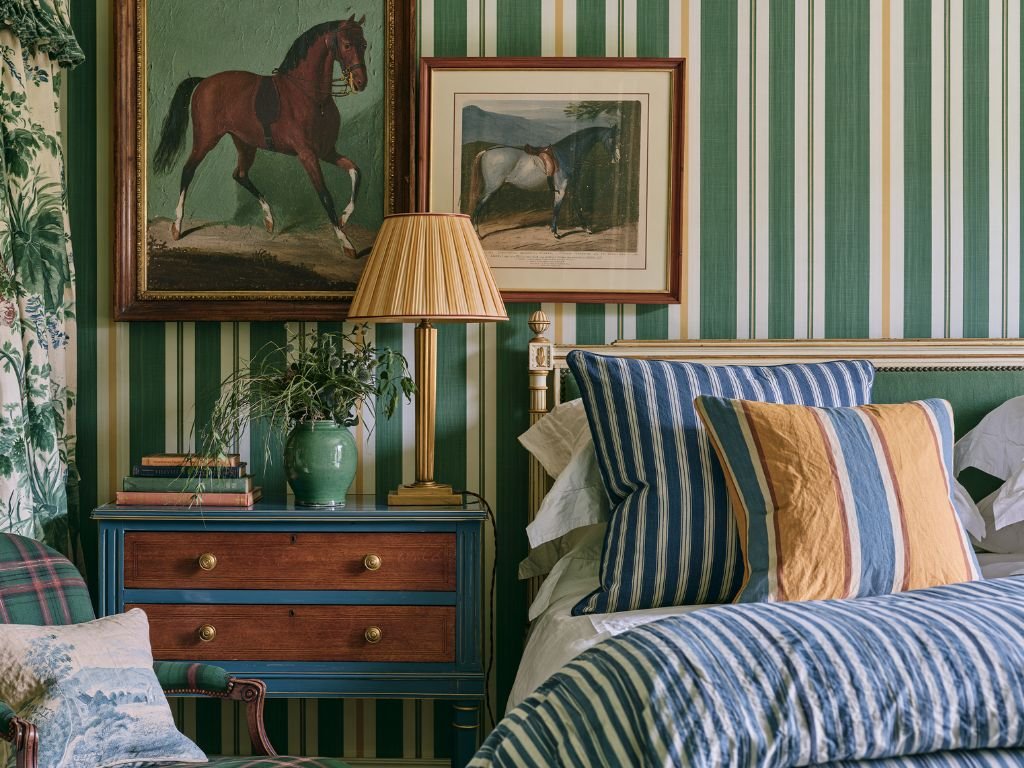
Why Canvas Prints Feel More Timeless Than Posters
Not all wall art changes a room in the same way.
Some pieces simply fill an empty space.
Others become part of the architecture itself.
This is one of the reasons canvas prints have remained a favourite choice for beautifully collected homes. While posters and paper prints certainly have their place, canvas possesses a warmth, depth, and permanence that allows it to feel naturally integrated into an interior rather than simply displayed upon a wall.
Canvas Creates Texture and Warmth
The difference becomes apparent long before anyone notices the subject of the artwork.
It begins with the material itself.
Canvas carries texture.
Paper carries smoothness.
Canvas absorbs light softly.
Glass reflects it.
Canvas introduces warmth.
Paper often feels more graphic and immediate.
Neither is inherently better.
They simply create very different experiences within a room.
Collected interiors tend to favour materials that invite touch.
Linen.
Oak.
Natural stone.
Handmade ceramics.
Brass.
Wool.
Canvas belongs naturally within this family of textures.
Its woven surface catches changing daylight in subtle ways, allowing colours to feel softer and more organic throughout the day.
Rather than appearing perfectly flat, the artwork gains a quiet sense of depth that complements the layered character of timeless interiors.
Gallery-Wrapped Canvas Adds Architectural Presence
Gallery wrapping contributes to this feeling even further.
Instead of ending abruptly inside a frame, the image continues around the sides of the canvas, allowing the artwork to exist as a complete object.
It projects gently from the wall.
Its edges become part of the composition.
From different angles, the painting maintains its presence.
This small architectural detail gives canvas prints a remarkable sense of permanence.
They feel built into the room rather than attached to it.
Posters and Canvas Prints Create Different Experiences
Posters, by comparison, often communicate a different intention.
They celebrate immediacy.
Graphic expression.
Popular culture.
Photography.
Typography.
They are wonderfully suited to spaces that embrace change, experimentation, or a more contemporary aesthetic.
Many people enjoy rotating posters regularly as their interests evolve.
Canvas prints invite a different rhythm.
They are rarely chosen with the expectation of being replaced next season.
Instead, they become familiar companions within the home.
This slower relationship reflects the philosophy of collected living itself.
Beautiful interiors are not constantly reinvented.
They mature.
The artwork remains while life quietly unfolds around it.
Morning coffee.
Family dinners.
Changing furniture.
Fresh flowers.
Different seasons.
The canvas quietly witnesses them all.
Canvas Prints Reduce Reflections
There is another subtle difference that becomes increasingly important over time.
Glass-covered posters inevitably introduce reflections.
Windows.
Lamps.
Movement throughout the room.
These reflections can interrupt the viewing experience, particularly in naturally bright interiors.
Canvas avoids this distraction.
Its matte surface allows the colours and composition to remain visible throughout the day without competing with reflected light.
The painting simply exists.
Calmly.
Naturally.
Canvas Prints Work Beautifully at Large Scale
Scale also plays an important role.
Large canvas prints often become architectural features within a room.
Above a fireplace.
Behind a dining table.
Over a generous sofa.
In an entrance hall.
Their depth allows them to anchor these spaces with remarkable ease.
The room begins organising itself around the artwork rather than the artwork being added after everything else has already been arranged.
Why Canvas Prints Feel More Timeless
Perhaps this explains why canvas prints feel so at home within collected interiors.
They contribute substance rather than decoration.
They create atmosphere rather than visual noise.
They encourage the eye to slow down rather than constantly search for the next detail.
Over time, this quiet presence becomes one of their greatest strengths.
Collected homes rarely seek immediate impact alone.
They seek lasting beauty.
The kind that reveals itself gradually.
The kind that continues feeling relevant long after decorating trends have disappeared.
Canvas supports exactly this kind of longevity.
Its material language feels timeless because it has changed remarkably little over centuries.
Its woven texture still carries echoes of traditional painting.
Its depth still creates gentle shadows.
Its presence still softens the room around it.
Which Is Right for Your Home?
None of this suggests that posters are without value.
Beautiful homes often include photography, vintage prints, illustrated books, framed sketches, and graphic works alongside canvas art.
Collected interiors have always embraced variety.
The difference lies in intention.
When the goal is to create a home that grows richer with every passing year, canvas naturally becomes one of the most enduring foundations upon which an art collection can be built.
Because timeless homes deserve artwork that feels equally timeless.
Not only in what it depicts.
But in the way it quietly lives within the room.
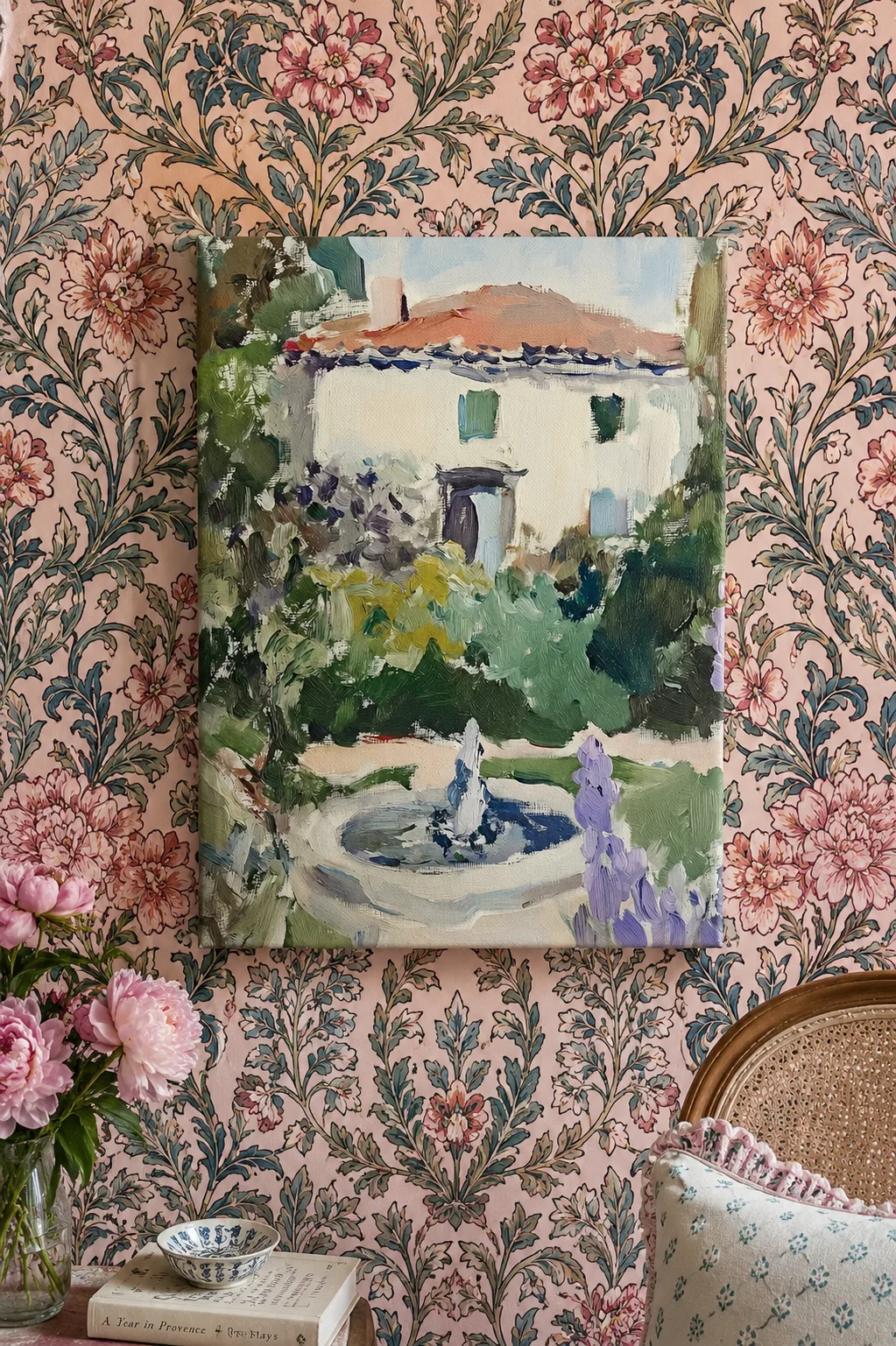
What Makes a Canvas Print Look High Quality?
At first glance, two canvas prints may appear remarkably similar. They may feature the same painting. The same colours. Even the same dimensions.
Yet when placed side by side, one immediately feels refined, while the other appears flat, lifeless, or temporary. The difference rarely lies in the artwork itself. It lies in the craftsmanship behind it.
Just as beautifully collected homes are built through thoughtful details rather than obvious statements, exceptional canvas prints are defined by qualities that often go unnoticed individually but become unmistakable when experienced together.
High-Resolution Artwork Matters
The first mark of quality is image resolution.
A timeless painting deserves to be reproduced with exceptional clarity.
Every subtle colour transition.
Every delicate brushstroke.
Every fine detail should remain beautifully preserved, even when printed at a generous scale.
Low-resolution images often appear soft, pixelated, or lacking in depth.
High-resolution artwork allows the eye to continue discovering details long after the canvas has been hung.
Accurate Colour Reproduction Creates Timeless Beauty
Colour is equally important.
The finest canvas prints avoid exaggerated saturation or artificial contrast.
Instead, they preserve the richness and balance of the original composition.
Soft neutrals remain nuanced.
Deep greens retain complexity.
Warm terracottas feel natural.
Dusty blues remain elegant.
The goal is not louder colour.
It is truer colour.
This quiet accuracy allows artwork to integrate naturally into timeless interiors rather than dominating them.
Premium Canvas Makes the Difference
The canvas itself plays an equally significant role.
Premium woven canvas introduces texture before the image is even considered.
Its surface catches light gently, creating subtle variation throughout the day.
Rather than appearing glossy or overly smooth, it feels tactile.
Inviting.
Organic.
The texture complements natural materials such as linen, oak, wool, stone, and handmade ceramics, making the artwork feel perfectly at home within a collected interior.
Archival Printing Ensures Long-Term Quality
Printing technology also matters enormously.
Archival pigment printing has transformed the quality and longevity of contemporary canvas art.
It produces remarkable depth, precise colour reproduction, and gentle tonal transitions that remain faithful to the original artwork.
More importantly, archival inks are designed to resist fading, allowing the artwork to retain its beauty for many years when displayed under normal interior conditions.
Strong Construction and Craftsmanship
Construction is another detail that quietly separates exceptional canvas prints from ordinary ones.
A well-made canvas should feel substantial in the hand.
The wooden stretcher should remain stable and carefully assembled.
The canvas should be stretched evenly across every side without visible ripples or sagging.
Corners should appear crisp.
Surfaces should remain smooth.
The entire piece should feel carefully crafted rather than mass produced.
Gallery Wrapping Creates a Premium Finish
Gallery wrapping contributes significantly to the overall impression.
When the artwork continues seamlessly around the edges of the canvas, the piece becomes complete from every angle.
There is no abrupt white border.
No unfinished side.
The image flows naturally across the depth of the frame, allowing the artwork to stand beautifully on its own without requiring additional framing.
This simple detail immediately creates a more refined appearance.
Depth Adds Presence to the Artwork
Depth itself is often overlooked.
A thicker gallery-wrapped canvas projects slightly from the wall, creating gentle shadows that enhance the presence of the artwork.
Rather than appearing flat against the surface, it feels architectural.
The painting occupies the room physically as well as visually.
This subtle dimensionality is one of the defining characteristics of premium canvas prints.
Choosing the Right Size Matters
Scale should also be considered.
Even the highest-quality canvas loses its impact when printed at an inappropriate size.
A large wall deserves artwork with enough presence to anchor the space.
A smaller reading corner may call for a more intimate composition.
Quality is not only about materials.
It is also about proportion.
Thoughtfully scaled artwork allows a room to feel balanced, calm, and intentionally composed.
True Quality Never Calls Attention to Itself
Perhaps the most overlooked characteristic of a high-quality canvas print is restraint.
Exceptional craftsmanship never competes with the artwork.
It quietly supports it.
Nothing feels excessive.
Nothing distracts from the painting itself.
The materials simply allow the image to speak with clarity and confidence.
This philosophy mirrors the principles of collected living.
The finest interiors rarely rely on obvious luxury.
Instead, they are defined by thoughtful choices made consistently over time.
Solid oak instead of imitation wood.
Natural linen instead of synthetic fabric.
Handmade ceramics instead of disposable accessories.
Beautiful artwork reproduced with care rather than convenience.
Each decision may appear small on its own.
Together, they create an atmosphere that feels unmistakably timeless.
Ultimately, the quality of a canvas print is measured by something surprisingly simple.
Does it continue feeling beautiful after the excitement of opening the package has faded?
Does it reward closer observation?
Does it interact gracefully with changing light?
Does it feel as though it belongs within the home rather than simply decorating it?
When the answer is yes, the craftsmanship has done exactly what it should.
It has quietly disappeared, allowing only the beauty of the artwork to remain.
And that is perhaps the finest mark of quality any canvas print can possess.
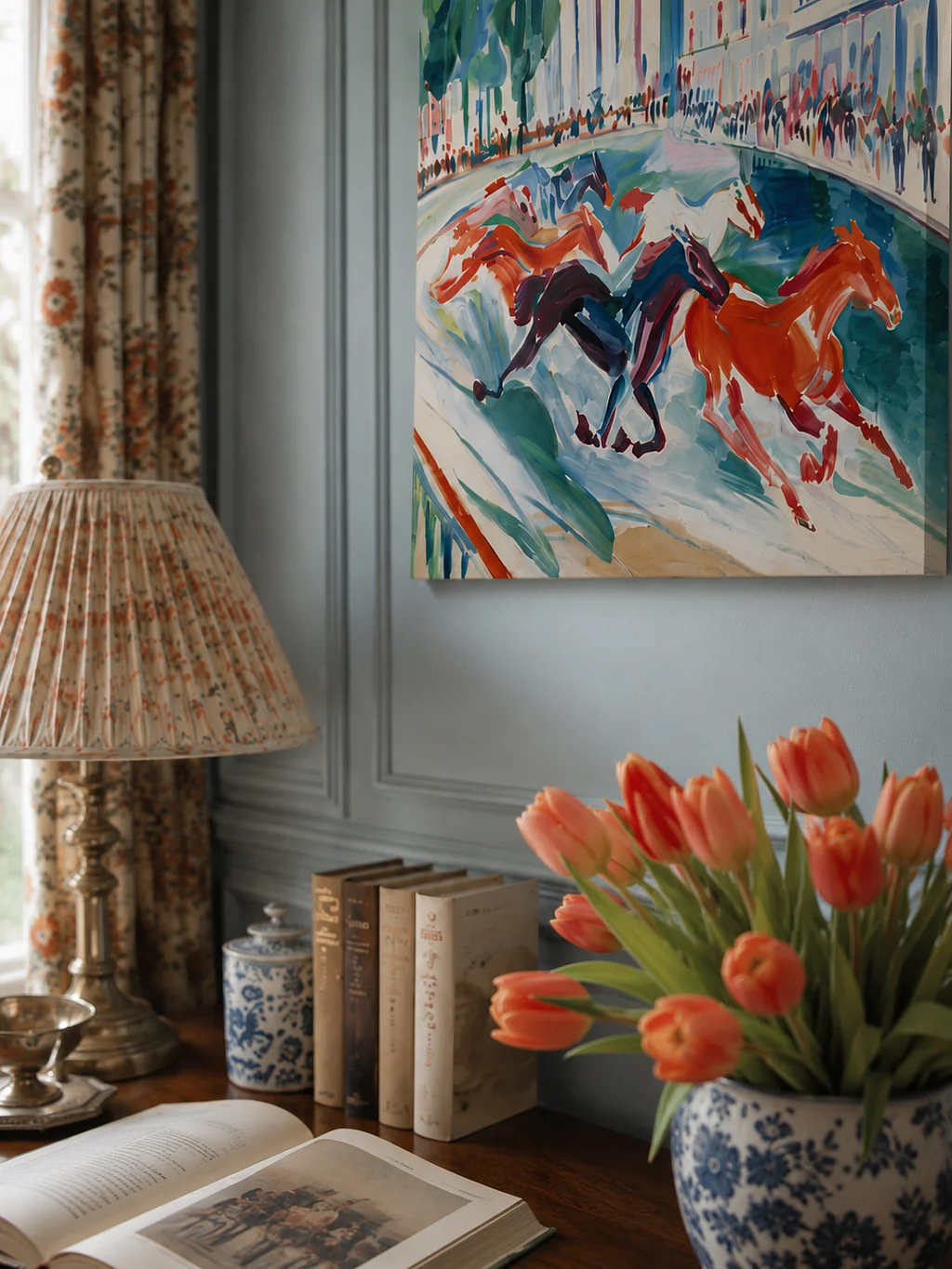
Gallery-Wrapped Canvas Prints Explained
Some details are noticed immediately. Others are simply felt.
The gallery wrap belongs to the second category. Many people admire the quiet elegance of a canvas print without ever realising that much of its refined appearance comes from the way the canvas has been constructed rather than the artwork itself.
This method of presentation has become one of the defining characteristics of premium canvas prints and one of the reasons they feel so naturally at home in collected interiors.
A gallery-wrapped canvas is created by stretching the printed canvas over a solid wooden frame, known as a stretcher bar, before carefully securing it to the back.
Unlike traditional framed prints, the artwork continues around the sides of the canvas, allowing the edges to become part of the composition itself.
The result is clean.
Architectural.
Complete from every angle.
Nothing interrupts the image.
There is no visible border.
No exposed staples.
No unfinished edge.
The artwork appears to exist as an object rather than simply as an image mounted on a wall.
This seemingly small construction detail changes the entire experience of the piece.
Instead of feeling applied to the room, the artwork feels integrated into it.
Its gentle depth allows it to project subtly from the wall, creating delicate shadows that shift throughout the day.
These shadows introduce another quiet layer of texture and dimension, giving the painting a presence that flat reproductions rarely achieve.
This architectural quality explains why gallery-wrapped canvas prints work beautifully across so many interior styles.
In a contemporary home, the clean silhouette feels restrained and sophisticated.
Within a traditional interior, it allows the artwork itself to become the focus without competing with elaborate mouldings or decorative frames.
Even in homes where antiques and modern furniture coexist, gallery wrapping feels remarkably balanced.
It bridges different periods with quiet confidence.
The wrapped edges also create visual continuity.
When viewed from the side, the image continues naturally instead of ending abruptly.
This continuity gives the artwork a sculptural quality.
It occupies space rather than merely covering it.
As you move through a room, the painting reveals itself from different angles, making it feel alive within the architecture of the home.
This is one of the reasons gallery-wrapped canvases often look especially beautiful above fireplaces, behind sofas, along hallways, or in open-plan interiors where artwork is seen from multiple viewpoints.
The side profile becomes part of the composition.
Depth also influences the emotional presence of the artwork.
A canvas that projects gently from the wall creates a subtle feeling of permanence.
It carries visual weight without becoming heavy.
The room feels anchored.
Balanced.
Calm.
Collected homes often rely on these understated architectural details.
Nothing demands attention.
Everything contributes quietly.
Gallery-wrapped canvas prints also offer remarkable versatility.
Many homeowners appreciate their simplicity exactly as they are.
Others choose to add a floating frame, allowing a narrow space between the frame and the canvas that preserves the clean contemporary silhouette while introducing another layer of refinement.
Both approaches feel timeless.
Both allow the artwork to remain the central focus.
The decision becomes one of personal preference rather than necessity.
This flexibility makes gallery-wrapped canvases particularly well suited to collected interiors, where rooms continue evolving over time.
Furniture may change.
Walls may be repainted.
A painting may move from the dining room to the study or from one home to another.
The canvas adapts naturally without requiring the entire room to be redesigned around it.
There is another practical advantage that often goes unnoticed.
Because there is no glass covering the artwork, the surface avoids the reflections that can distract from framed paper prints.
Morning sunlight.
Evening lamps.
Large windows.
All illuminate the canvas gently without creating glare.
The artwork remains visible from almost every angle.
Its colours stay soft.
Its texture remains present.
The experience feels closer to living with a painting than viewing an image behind glass.
Perhaps this explains why gallery-wrapped canvas prints have become such an enduring choice for timeless homes.
They combine traditional materials with contemporary craftsmanship.
They celebrate simplicity without feeling minimal.
They feel refined without becoming formal.
Most importantly, they allow the artwork itself to speak.
Within a collected home, this quiet confidence matters.
The goal is never to impress through unnecessary embellishment.
It is to create rooms where every object has been chosen thoughtfully and where beauty reveals itself gradually over time.
A gallery-wrapped canvas embodies exactly that philosophy.
Simple in construction.
Elegant in appearance.
Designed to remain beautiful not only today, but through many years of changing light, changing seasons, and changing homes.
Because truly timeless artwork deserves a presentation that is just as timeless.
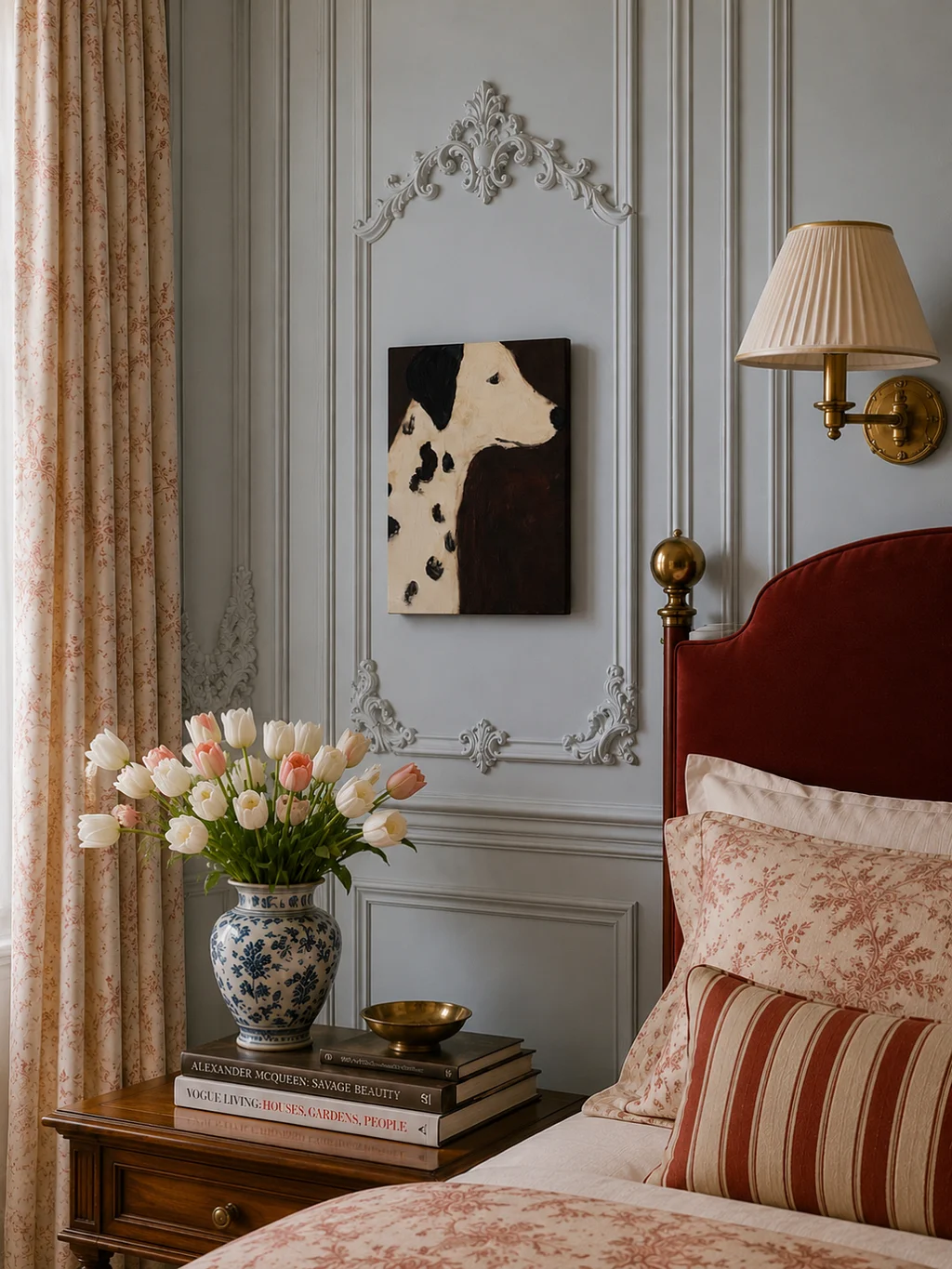
How to Choose Canvas Art You Will Love for Years
Some paintings capture your attention for a moment. Others quietly remain with you long after you have left the room. These are rarely the loudest works.
They are seldom the ones following the latest colour trend or decorating movement. Instead, they possess something far more enduring. They continue revealing themselves over time. This is the kind of artwork collected homes seek.
Because choosing canvas art is not simply about decorating a wall. It is about selecting something you will share your everyday life with.
The painting you choose today may accompany hundreds of ordinary mornings.
It may become part of family celebrations, quiet evenings, changing seasons, and entirely new homes. The decision deserves patience. Perhaps the most helpful question is also the simplest.
Can I imagine living with this every day for the next ten years?
Not admiring it occasionally. Living with it. Passing it every morning. Seeing it in changing light. Allowing it to become familiar without becoming ordinary. The finest artwork grows richer through familiarity. It never relies on novelty alone.
Choose Artwork Based on Feeling, Not Just Colour
Many people begin by searching for artwork that matches their furniture.
Collected homes often begin somewhere entirely different.
With feeling.
Ask yourself what you want the room to become.
Calm.
Warm.
Elegant.
Romantic.
Quiet.
Joyful.
Grounded.
Reflective.
Artwork shapes atmosphere long before it contributes colour.
A peaceful landscape may slow the pace of a busy living room.
Botanical compositions introduce softness.
Expressive florals fill a space with warmth throughout every season.
An abstract painting can create rhythm and balance.
A portrait may quietly introduce character and presence.
The emotion should come first.
Everything else follows naturally.
Choose Timeless Art Instead of Following Trends
Interior trends change remarkably quickly.
One season celebrates bold maximalism.
The next embraces quiet minimalism.
Colour palettes evolve.
Furniture silhouettes shift.
Decorative accessories appear and disappear.
Meaningful artwork follows a different rhythm.
It remains.
When choosing a canvas print, imagine removing every current trend from the room.
Would the painting still feel beautiful?
Would you still choose it if the surrounding furniture changed completely?
Timeless artwork survives changing interiors because it was never dependent upon them.
Choose Subjects You Will Never Tire Of
Certain themes have remained beloved for centuries.
Not because they are fashionable.
Because they continue speaking to something deeply human.
Landscapes remind us of stillness.
Botanical studies connect us with nature.
Floral compositions celebrate beauty in everyday life.
Equestrian paintings express grace and quiet strength.
Still lifes encourage us to notice ordinary moments.
Portraits reveal personality.
Abstract compositions create space for interpretation.
Rather than asking which subject is most popular, ask which one continues drawing your attention.
Your answer is often more reliable than current trends.
Choose Artwork That Complements Your Colour Palette
Colour matters.
But not in the way many people imagine.
Instead of searching for artwork that perfectly matches every cushion or curtain, look for paintings that introduce conversation.
A muted olive landscape may quietly echo the leaves of indoor plants.
Warm terracotta may complement aged oak furniture.
Dusty blues may soften natural linen.
Gentle blush tones may bring warmth into neutral interiors.
Collected homes favour harmony over repetition.
Artwork should enrich the palette of the room rather than simply duplicate it.
Choose Art That Rewards Long-Term Living
Some artworks reveal everything immediately.
Others continue unfolding slowly over years.
These are often the pieces people love the longest.
Subtle compositions tend to reward repeated viewing.
Layered brushwork.
Gentle colour transitions.
Quiet movement.
Balanced compositions.
The more time you spend with them, the more they offer.
When a painting continues inviting you back rather than demanding constant attention, it often possesses lasting appeal.
Choose Artwork That Fits the Mood of the Room
Every room has its own emotional rhythm.
The artwork should support it.
A bedroom benefits from calm compositions.
Dining rooms often welcome warmth and conversation.
Hallways invite curiosity.
Home offices encourage focus.
Living rooms become gathering places where artwork quietly anchors the space.
Rather than choosing artwork in isolation, consider the experience you want people to have while spending time in that room.
The painting becomes part of that experience.
Trust Your Own Taste
Perhaps the greatest mistake people make when buying art is believing someone else knows their home better than they do.
Collected interiors are deeply personal.
The artwork should be as well.
Expert advice can certainly be helpful.
Design principles provide useful guidance.
But ultimately, you are the person who will live alongside the painting.
If a particular canvas continues returning to your thoughts…
If you find yourself comparing every other artwork to it…
If it immediately feels familiar…
Pay attention to that feeling.
It is often more valuable than any decorating rule.
Build Your Art Collection Slowly
The pressure to complete an entire home at once often leads to hurried decisions.
Collected homes take the opposite approach.
Begin with one painting.
Live beside it.
Allow it to shape the room.
Only then consider what might come next.
Perhaps another botanical composition.
Perhaps a landscape.
Perhaps something completely unexpected.
Every new artwork should enter into conversation with the pieces already present.
Over time, the collection begins creating its own visual language.
One that belongs entirely to your home.
One that could never be replicated elsewhere.
Because the most beautiful art collections are never assembled overnight.
They are discovered patiently.
Chosen intuitively.
And lived with long enough to become part of the story of the home itself.
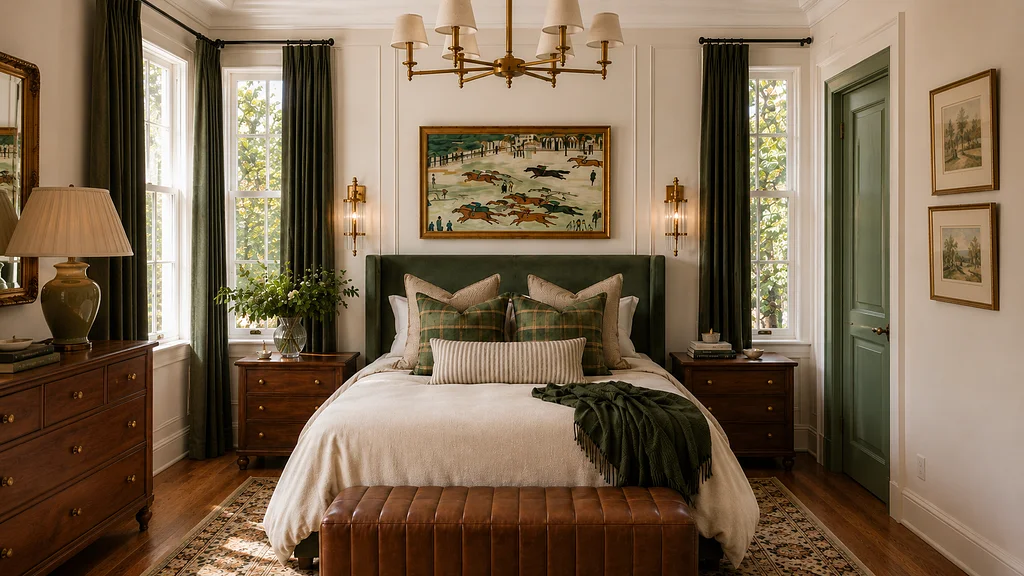
Timeless Subjects for a Collected Home
Some subjects never lose their ability to make a room feel beautiful. Not because they resist change. But because they speak to something deeper than fashion.
For centuries, the world’s most admired interiors have returned to the same enduring themes. Landscapes that invite stillness. Botanical studies that celebrate nature. Floral compositions that bring colour into every season. Portraits that quietly observe the passing of time.
These subjects have remained relevant through changing architectural styles, different generations, and countless decorating movements because they create atmosphere rather than simply decoration. They never ask to be fashionable. They simply continue to belong.
Landscapes
Perhaps no subject feels more timeless than the landscape.
A distant horizon.
Rolling hills.
A quiet coastline.
Woodlands touched by autumn light.
Mountain paths disappearing into soft mist.
Landscape paintings introduce something increasingly rare into modern interiors.
A sense of space.
They allow the eye to travel beyond the walls of the room, creating moments of calm and visual rest.
Whether inspired by the English countryside, the Mediterranean coast, or imagined natural scenes, landscapes remain among the most enduring choices for collected homes because they continue offering serenity year after year.
Botanical Compositions
Botanical artwork has decorated homes for centuries.
Originally created as scientific studies, these paintings gradually became admired for their quiet elegance and extraordinary attention to detail.
Today, botanical compositions continue bringing nature indoors in a way that feels refined rather than seasonal.
Delicate branches.
Wildflowers.
Olive leaves.
Garden blooms.
Graceful stems moving across soft backgrounds.
Unlike decorative floral patterns that may follow passing trends, botanical paintings possess an understated quality that allows them to integrate beautifully into both contemporary and traditional interiors.
They introduce life without overwhelming the room.
Floral Paintings
Flowers have always represented far more than decoration.
They celebrate the changing seasons.
They remind us of beauty’s fleeting nature.
They soften architecture.
They bring warmth into everyday life.
Floral paintings preserve that feeling throughout the year.
Spring blossom.
Summer gardens.
Autumn dahlias.
Wild meadow flowers.
Romantic arrangements gathered as though freshly cut from the garden.
Collected homes often return to floral subjects because they remain endlessly uplifting.
Fresh flowers eventually fade.
A beautiful floral painting continues blooming every day.
Still Lifes
There is something wonderfully quiet about a still life.
A bowl of pears resting upon linen.
A ceramic pitcher filled with garden branches.
Books beside a simple vase.
Fruit catching afternoon light.
These ordinary subjects remind us that beauty often lives within everyday rituals.
Still lifes encourage slower looking.
They celebrate domestic life without sentimentality.
Perhaps this explains why they have remained beloved for hundreds of years.
Collected homes understand that extraordinary interiors are often built around ordinary moments noticed carefully.
Equestrian Art
Equestrian paintings possess a unique elegance that has long been associated with European country houses and beautifully layered interiors.
Whether depicting a single horse, a quiet stable scene, or expressive contemporary interpretations, equestrian artwork introduces strength without severity.
Movement without chaos.
History without nostalgia.
Its graceful lines complement both traditional architecture and modern spaces, making it surprisingly versatile within collected homes.
Even people with no personal connection to horses are often drawn to the quiet dignity these works bring into a room.
Portraits
Portraits create one of the most intimate relationships between artwork and interior.
A thoughtfully painted face introduces presence rather than simply decoration.
Historic portraits carry mystery.
Contemporary figures create emotional connection.
Whether formal or expressive, portraits encourage curiosity.
Who was this person?
What were they thinking?
What story remains untold?
Collected homes often include portraits because they make interiors feel inhabited in the deepest sense.
Not only by those living there today, but by generations of human stories.
Abstract Paintings
Abstract art occupies a fascinating place within collected interiors.
Freed from literal subject matter, it allows colour, composition, texture, and movement to become the language itself.
A softly layered abstract may introduce calm.
Bold gestural brushwork may create energy.
Muted colour fields may provide balance to richly detailed rooms.
Abstract paintings work particularly well in collected homes because they invite personal interpretation.
Their meaning continues evolving alongside the people who live with them.
Coastal and Seascape Paintings
The sea has inspired artists for centuries.
Its changing light.
Its endless horizon.
Its quiet rhythm.
Coastal paintings introduce freshness and openness into an interior without feeling overtly nautical.
Soft blues.
Warm sands.
Weathered cliffs.
Salt-washed skies.
Rather than relying on decorative seaside motifs, timeless coastal artwork captures atmosphere.
It reminds us of slower mornings, open windows, and the gentle movement of natural light.
Architectural Paintings
Historic buildings, quiet village streets, elegant facades, and classical interiors all carry a remarkable sense of permanence.
Architectural paintings celebrate craftsmanship itself.
Stone.
Brick.
Columns.
Windows.
Courtyards.
Garden walls softened by climbing roses.
These works often resonate deeply within collected homes because they reflect the same appreciation for timeless design that shapes the interiors surrounding them.
Animals and Wildlife
Animals have always held a quiet place within the history of art.
Songbirds resting among branches.
Dogs waiting patiently beside a chair.
Hares disappearing into tall grass.
Horses standing beneath open skies.
These subjects introduce warmth, personality, and gentle movement into a room without feeling overly decorative.
They remind us of our connection to the natural world and often carry a sense of familiarity that makes a home feel immediately welcoming.
Perhaps the most remarkable quality shared by all of these subjects is their ability to remain meaningful across generations.
Their beauty does not depend upon current fashion.
They do not require explanation.
They simply continue enriching the lives of those who choose to live beside them.
Collected homes understand this instinctively.
Rather than chasing what feels new, they choose what continues feeling true.
Because timeless artwork is never defined by its age.
It is defined by its ability to remain beautiful long after everything around it has changed.
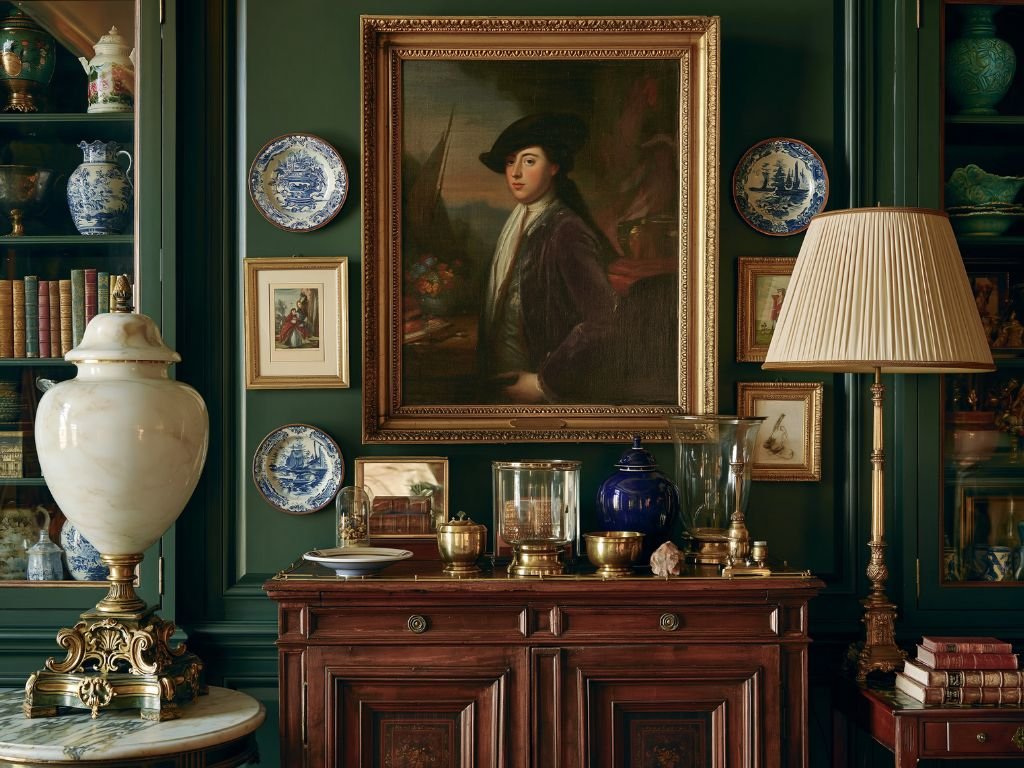
Creating a Gallery Wall That Feels Collected
Some gallery walls feel effortless. Others feel crowded. The difference is rarely the number of artworks. It is the intention behind their arrangement. A truly collected gallery wall does not appear as though it was designed all at once. Instead, it feels as though it has evolved naturally over time, growing alongside the lives of the people who call the house home. Each piece contributes something different.
Start With One Meaningful Artwork
Every beautiful gallery wall begins somewhere.
Usually with a single artwork that naturally becomes the heart of the arrangement.
Perhaps it is a landscape collected while travelling.
A botanical canvas that brings calm into the room.
A beloved family photograph.
A portrait discovered in an antique market.
Or a contemporary canvas print whose colours quietly anchor the surrounding space.
Once this central piece has found its place, the remaining artworks can begin gathering around it naturally.
The collection grows rather than being assembled.
Mix Different Types of Artwork
Collected interiors rarely rely upon repetition alone.
A gallery wall becomes far more engaging when different subjects begin speaking to one another.
A floral painting beside a landscape.
A portrait beside an abstract composition.
A botanical illustration beside a black and white photograph.
An architectural study beside a still life.
These subtle contrasts introduce rhythm without creating visual confusion.
The eye moves gently from one piece to the next, discovering new relationships throughout the arrangement.
Vary the Size and Scale
Not every artwork should be the same size.
Variation creates movement.
A larger canvas provides stability.
Medium pieces establish rhythm.
Smaller works invite closer observation.
Rather than arranging every frame into a perfect rectangle, allow the composition to breathe.
Collected homes often embrace slight asymmetry because it feels more natural and less prescribed.
The arrangement appears to have developed gradually rather than following a rigid formula.
Leave Enough Space Between Each Piece
Negative space is just as important as the artwork itself.
When paintings are placed too closely together, the wall begins to feel crowded.
When they are spaced thoughtfully, each piece retains its own identity while remaining connected to the larger composition.
The eye has room to rest.
The individual artworks become easier to appreciate.
The entire wall feels calmer.
Consistency in spacing often matters more than absolute symmetry.
The rhythm created between artworks quietly holds the entire collection together.
Combine Canvas Prints With Other Mediums
One of the defining characteristics of collected interiors is variety.
Canvas prints.
Original paintings.
Vintage engravings.
Family photographs.
Sketches.
Textiles.
Maps.
Pressed botanicals.
Historic illustrations.
These different materials create layers of texture and history that cannot be achieved through identical pieces alone.
Each introduces its own personality.
Together, they tell a richer story.
Choose Frames That Feel Related
Many people assume every frame should be identical.
Collected homes often take a more relaxed approach.
Oak may sit beside walnut.
A slim black frame may accompany natural wood.
An antique gilt frame may introduce quiet elegance alongside simpler contemporary pieces.
The goal is not uniformity.
It is harmony.
The frames should feel related without appearing manufactured as a matching set.
This subtle diversity contributes enormously to the feeling that the collection has evolved naturally over many years.
Don’t Worry About Perfect Symmetry
Perfect grids can certainly be beautiful.
Collected interiors, however, often embrace softer compositions.
One painting may sit slightly higher.
Another extends gently outward.
Smaller works fill quiet corners between larger pieces.
The overall arrangement remains balanced without becoming predictable.
This organic quality reflects the way meaningful collections actually develop over time.
They respond to new discoveries rather than predetermined plans.
Create a Cohesive Colour Story
Although the subjects may vary, successful gallery walls often share a quiet relationship through colour.
Perhaps soft greens appear repeatedly across several paintings.
Warm earth tones connect different periods and styles.
Muted blues move gently throughout the collection.
These recurring colours create visual continuity even when the artworks themselves differ significantly.
The result feels cohesive without appearing overly coordinated.
Allow Your Gallery Wall to Grow Naturally
Perhaps the greatest mistake people make is believing a gallery wall must be completed immediately.
Collected homes rarely work this way.
A new painting is discovered.
Months later another joins it.
A photograph is moved from another room.
An antique print finds its place after years of searching.
The arrangement continues changing.
Living.
Growing.
This gradual evolution gives gallery walls their unmistakable authenticity.
They become visual diaries rather than decorating projects.
Above all, remember that a gallery wall is not created to impress visitors.
It exists to surround everyday life with beauty.
To celebrate memory.
To express curiosity.
To create conversation between different artworks and different moments in time.
Over the years, these relationships deepen.
The paintings become familiar companions.
The photographs gather new memories.
The collection quietly reflects the people who have shaped it.
And that is what makes a gallery wall feel truly collected.
Not because every piece matches perfectly.
But because every piece belongs.
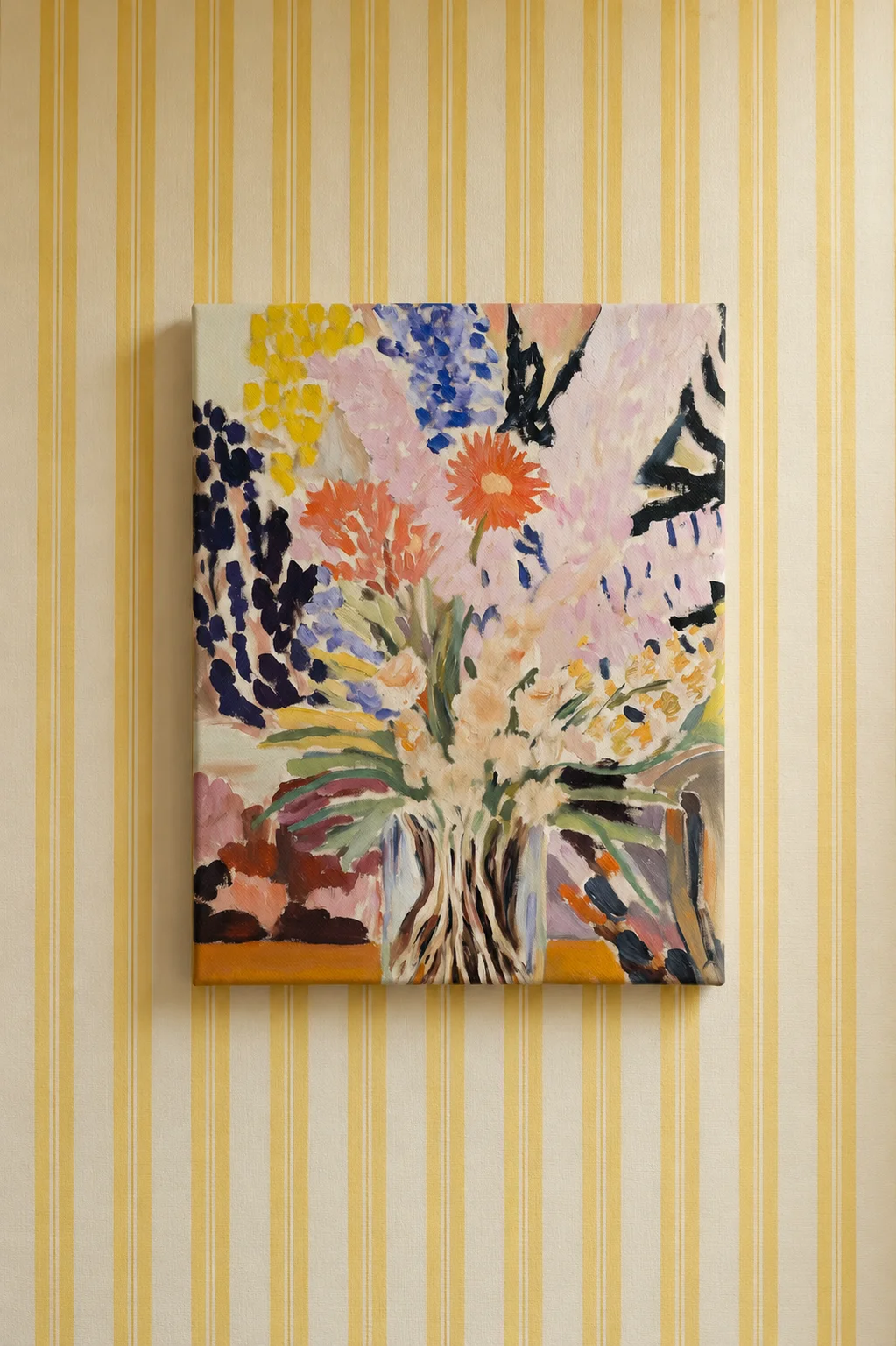
Caring for Canvas Prints So They Last for Decades
One of the quiet pleasures of owning beautiful artwork is knowing that it will continue bringing joy year after year.
Unlike many decorative objects that are replaced as styles change, thoughtfully chosen canvas prints are often intended to remain part of the home for decades.
With only a small amount of care, they can retain their beauty remarkably well, allowing future versions of the home, and often future generations, to enjoy them just as much.
Fortunately, caring for a premium canvas print is wonderfully simple.
Choose the Right Location for Your Canvas Print
Like all works of art, canvas benefits from a stable environment.
Choose a wall away from prolonged direct sunlight whenever possible.
Natural daylight is beautiful and brings artwork to life, but continuous exposure to intense sunlight over many years may gradually soften colours, even when archival pigment inks are used.
A bright room is ideal.
A wall receiving uninterrupted afternoon sun every day is less so.
Humidity is another important consideration.
Canvas performs best in spaces with normal indoor humidity and stable temperatures.
Living rooms.
Bedrooms.
Dining rooms.
Studies.
Hallways.
These environments are generally ideal.
Bathrooms with frequent steam or areas directly beside heat sources may create unnecessary stress on the natural materials over time.
Fortunately, most homes provide many excellent locations where canvas prints can be displayed comfortably for years.
How to Clean a Canvas Print
Dusting requires only a gentle touch.
Every few weeks, a soft, dry microfiber cloth or a clean feather duster is usually all that is needed to remove surface dust.
There is no need for cleaning sprays, furniture polish, alcohol-based products, or abrasive cloths.
The texture of the canvas does the work beautifully on its own.
Gentle care preserves both the woven surface and the richness of the printed image.
If accidental marks appear, less is almost always more.
Rather than rubbing the surface vigorously, gently remove loose dust first.
For more stubborn marks, a slightly damp, lint-free cloth may be used with great care while avoiding excessive moisture.
Strong household cleaning products should never be applied directly to the canvas, as they may affect both the protective coating and the printed surface.
Protecting the Wooden Frame
The wooden stretcher frame also benefits from simple awareness.
Although professionally constructed frames are designed for long-term stability, avoiding excessive humidity and dramatic temperature changes helps preserve their shape over time.
This is one reason artwork often ages so beautifully in well-maintained homes.
The environment supports the object just as much as the craftsmanship itself.
Moving and Handling Canvas Prints
Handling the canvas thoughtfully also makes a difference.
Whenever moving artwork, lift it using both hands along the sides of the frame rather than pressing against the front surface.
This small habit helps protect the tension of the canvas and reduces unnecessary pressure on the image itself.
Fortunately, gallery-wrapped canvas prints are surprisingly durable.
Unlike glass-covered framed prints, there is no glass to crack during everyday handling or when relocating artwork within the home.
Their lightweight construction also makes them easier to hang, move, and reposition as rooms evolve over time.
How Long Do Canvas Prints Last?
One of the greatest advantages of premium canvas prints is their longevity.
When produced using archival pigment inks and displayed under normal indoor conditions, high-quality canvas prints are designed to retain their colour and clarity for many decades.
This lasting quality reflects the philosophy of collected living itself.
Beautiful objects are chosen with the expectation that they will remain.
Not because they never change.
But because they continue becoming part of the life unfolding around them.
The Best Way to Care for Artwork
Perhaps the most important form of care is also the simplest.
Live with the artwork.
Allow morning light to fall across it.
Notice how different seasons alter its colours.
Rearrange the furniture around it as the room evolves.
Move it to another space if a new chapter of the home calls for it.
Beautiful paintings are not museum objects hidden from daily life.
They are companions to it.
Over the years, a canvas often gathers something impossible to manufacture.
Familiarity.
The painting becomes inseparable from memories created in front of it.
Children growing taller each year.
Conversations around the dining table.
Quiet evenings by the fire.
Fresh flowers placed beneath it every spring.
None of these moments leave visible marks upon the canvas.
Yet somehow they become part of its presence within the home.
This may be the greatest difference between decoration and collected art.
Decoration fills a space.
Art quietly witnesses a life.
With thoughtful craftsmanship and gentle care, a beautifully made canvas print can continue doing exactly that for decades to come.
Growing more meaningful with every passing year.
Just as the most collected homes always do.
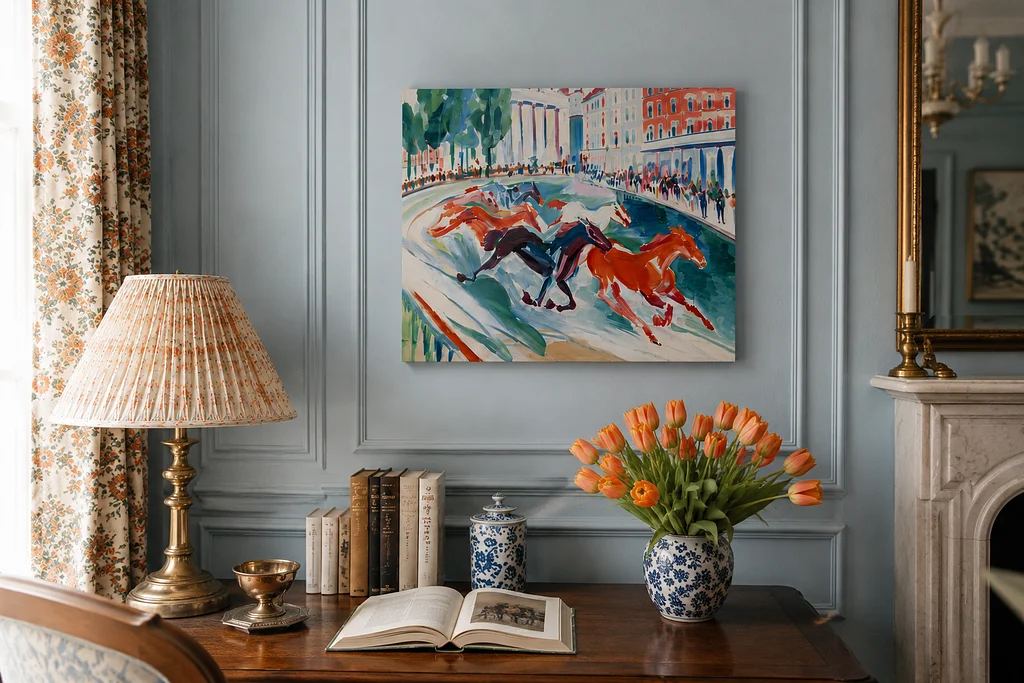
Why Canvas Prints Never Go Out of Style
Every decade introduces a new definition of fashionable interiors.
Colours change.
Furniture evolves.
Decorative objects appear and quietly disappear.
Entire design movements rise, flourish, and eventually give way to something new.
Yet some elements remain remarkably constant.
Natural materials.
Beautiful craftsmanship.
Thoughtful architecture.
And meaningful artwork.
Canvas prints belong to this enduring tradition not because they resist change, but because they are built upon principles that have remained beautiful for centuries.
Timeless Interior Design Always Outlasts Trends
Timeless design has never been about following fashion.
It has always been about creating environments that continue feeling relevant long after trends have faded.
This is precisely why canvas continues to hold such an important place within collected homes.
Rather than chasing what is new, timeless interiors invest in pieces that become more meaningful through everyday living.
Artwork is one of those rare elements that grows richer with familiarity instead of losing its appeal.
Why Canvas Has Remained a Timeless Material
Its appeal begins with honesty.
Canvas does not attempt to imitate another material.
It celebrates its own.
The woven surface.
The natural texture.
The gentle depth created by gallery wrapping.
These qualities have changed remarkably little since artists first began painting on canvas hundreds of years ago.
Modern printing technology has refined the process without altering its essential character.
The material still feels familiar.
Still authentic.
Still quietly beautiful.
This continuity is one of the reasons canvas prints continue feeling relevant across generations.
Great Artwork Reveals More Over Time
Timeless artwork shares this same quality.
It does not demand constant attention.
It rewards repeated attention.
A landscape viewed every morning gradually reveals new colours.
A floral composition changes with the seasons outside the window.
An abstract painting begins to mirror different emotions throughout different stages of life.
The artwork itself remains unchanged.
The relationship with it continues evolving.
Collected homes rarely feel outdated because they are built around pieces that deepen with familiarity rather than relying upon novelty.
Canvas Prints Adapt Beautifully to Every Home
Canvas possesses an extraordinary ability to evolve alongside the people who live with it.
A painting that once hung above a fireplace may later find its place in a reading room.
Artwork displayed in a first apartment may eventually move into a family home.
Rooms change.
Walls are repainted.
Furniture is replaced.
The canvas remains.
Rather than belonging to a single decorating style, it quietly accompanies each new chapter.
This versatility allows meaningful artwork to outlast almost every other decorative purchase within the home.
Timeless Homes Are Built Around Longevity
Interior designers often speak about creating rooms with longevity.
This does not mean avoiding personality.
Quite the opposite.
It means choosing pieces whose beauty depends upon craftsmanship, proportion, and emotional resonance rather than current fashion.
Canvas naturally supports this philosophy.
Its understated presence allows it to complement contemporary interiors, traditional architecture, Scandinavian simplicity, English country houses, Mediterranean villas, and quietly modern apartments with equal ease.
Few decorative elements possess such remarkable versatility.
There is another reason canvas never feels temporary.
It ages gracefully.
The woven surface continues carrying warmth.
The gentle shadows created by its depth remain elegant.
Unlike materials designed to attract immediate attention through shine or novelty, canvas quietly settles into the life of the room.
It becomes familiar without becoming invisible.
True Style Is Measured Over Time
Perhaps this reflects something deeper about how we experience beauty.
The objects we continue loving are rarely those that impressed us most dramatically on the first day.
They are often the ones that continue revealing quiet qualities over many years.
The favourite armchair.
The old oak dining table.
The handmade ceramic bowl used every morning.
The painting passed hundreds of times without ever losing its ability to make the room feel complete.
Collected homes understand this instinctively.
They do not seek constant reinvention.
They seek lasting relationships with the objects they choose to live beside.
Artwork becomes part of this conversation.
Not simply because it is beautiful.
But because it remains beautiful through changing seasons, changing tastes, and changing stages of life.
Perhaps this is the true definition of timelessness.
Not something that never changes.
But something that continues feeling meaningful as everything else does.
Canvas prints embody this idea with remarkable quietness.
They ask for no explanation.
No trend.
No particular decorating movement.
Only a place within the home where they can gradually become part of everyday life.
Years from now, the colours currently celebrated by design magazines may have shifted once again.
Furniture silhouettes will almost certainly evolve.
New decorating philosophies will emerge.
Yet homes will still seek warmth.
Balance.
Character.
Beauty.
And artwork that tells their story.
Canvas has done exactly that for centuries.
There is every reason to believe it will continue doing so for many more.
Because true style is never measured by what feels new.
It is measured by what continues feeling beautiful.
Generation after generation.
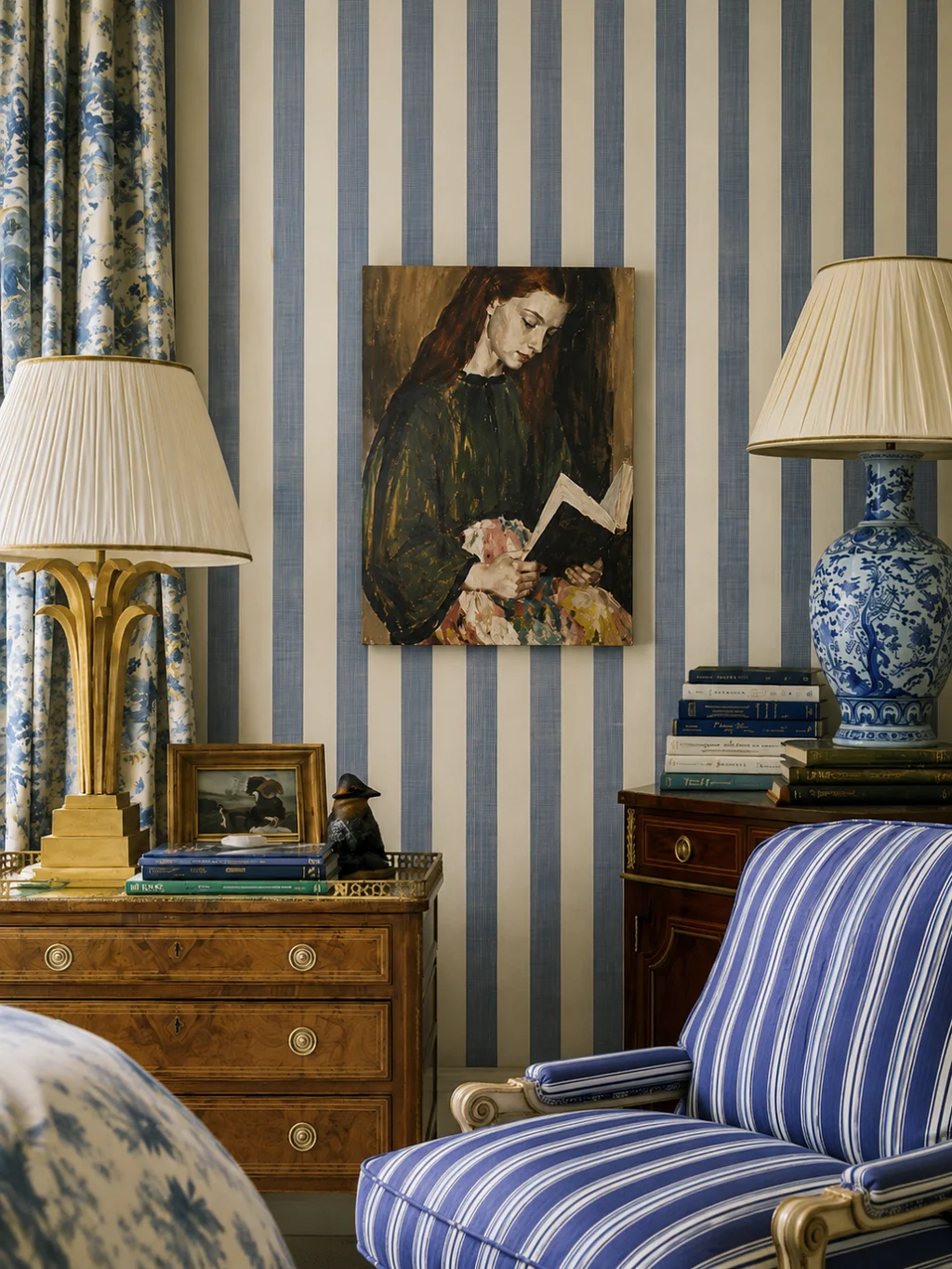
Living with Canvas Prints: How Art Becomes Part of Everyday Life
The most beautiful homes are not created for photographs.
They are created for living.
For slow mornings with coffee beside an open window.
For conversations that continue long after dinner has ended.
For children playing across wooden floors.
For quiet afternoons spent reading.
For ordinary days that gradually become cherished memories.
Within these everyday moments, artwork takes on a role that extends far beyond decoration.
It becomes part of daily life.
This is perhaps the greatest difference between living in a beautifully designed home and living in a truly collected one.
A Collected Home Lives With Art
In a collected home, art is never treated as something distant or untouchable.
Instead, it becomes woven naturally into everyday routines.
A landscape welcomes you in the entrance hall.
A botanical painting brightens the kitchen each morning.
A still life quietly watches over family dinners.
A floral canvas softens the bedroom at the end of the day.
Every room develops its own atmosphere through the artwork it holds.
Canvas prints are not simply decorative objects.
They become part of the emotional architecture of the home.
Why We Remember Certain Paintings
Over time, paintings become landmarks within memory.
We rarely remember every decorative object that once occupied a room.
But we often remember the painting above the fireplace.
The portrait that greeted us in the hallway.
The flowers hanging above a grandmother’s dining table.
The landscape beside the staircase.
Art quietly anchors memory because it remains present while life unfolds around it.
This is why thoughtfully chosen artwork often becomes deeply personal.
The painting itself may never change.
Yet the meaning we attach to it continues growing.
Art Gathers Meaning Over Time
The canvas witnesses birthdays.
Holiday celebrations.
Everyday breakfasts.
Rainy afternoons.
Moments of solitude.
Unexpected conversations.
The arrival of children.
The passing of time.
Eventually, it becomes difficult to separate the artwork from the memories created in front of it.
Beautiful interiors understand this relationship.
Rather than filling every available wall, they allow each painting enough space to breathe.
Enough room to be noticed.
Enough quiet to contribute its own atmosphere.
One meaningful artwork often brings more presence than an entire wall filled without intention.
Collected homes embrace this restraint naturally.
They trust beauty to speak softly.
The Comfort of Familiar Artwork
There is something deeply reassuring about returning to familiar artwork each day.
The world outside changes constantly.
Seasons arrive and disappear.
Schedules become busier.
Technology evolves.
Yet the painting remains.
Its colours greet you each morning exactly as they did the day before.
Its presence introduces a sense of continuity that feels increasingly valuable in modern life.
Perhaps this is why so many families continue carrying beloved paintings from one home to the next.
Not because the artwork perfectly matches every new interior.
But because it already belongs to the family’s story.
The walls change.
The painting remains.
Building an Art Collection That Reflects Your Life
Over time, the collection itself begins reflecting the people who have shaped it.
Not through deliberate planning.
But through years of quiet decisions.
One landscape discovered while travelling.
A floral canvas chosen for a first apartment.
A portrait inherited from relatives.
A botanical print collected after visiting a favourite gallery.
A contemporary abstract composition marking a new beginning.
Each piece represents a different chapter.
Together, they become a visual autobiography.
This gradual layering cannot be purchased all at once.
It emerges naturally through lived experience.
Perhaps this is why collected homes possess such unmistakable warmth.
They are not designed to impress.
They are designed to remember.
Every object carries a reason for being there.
Every painting contributes to a larger narrative.
Every room reflects not only aesthetic choices but the lives unfolding within it.
Why Canvas Prints Belong in Everyday Living
Canvas prints fit beautifully into this philosophy because they invite everyday enjoyment.
They are created to be seen.
To be lived beside.
To accompany ordinary routines until those routines quietly become extraordinary memories.
That is the quiet gift of art.
It teaches us to notice.
To pause.
To appreciate light moving across a familiar wall.
To find beauty within repetition.
To create homes that nourish not only the eye, but the spirit.
Because in the end, the finest interiors are never remembered for having the most expensive furniture or the largest collections.
They are remembered for how they made people feel.
Warm.
Peaceful.
Inspired.
Welcome.
At home.
And beautiful artwork, chosen thoughtfully and lived with generously, has always been one of the simplest ways to create exactly that feeling.
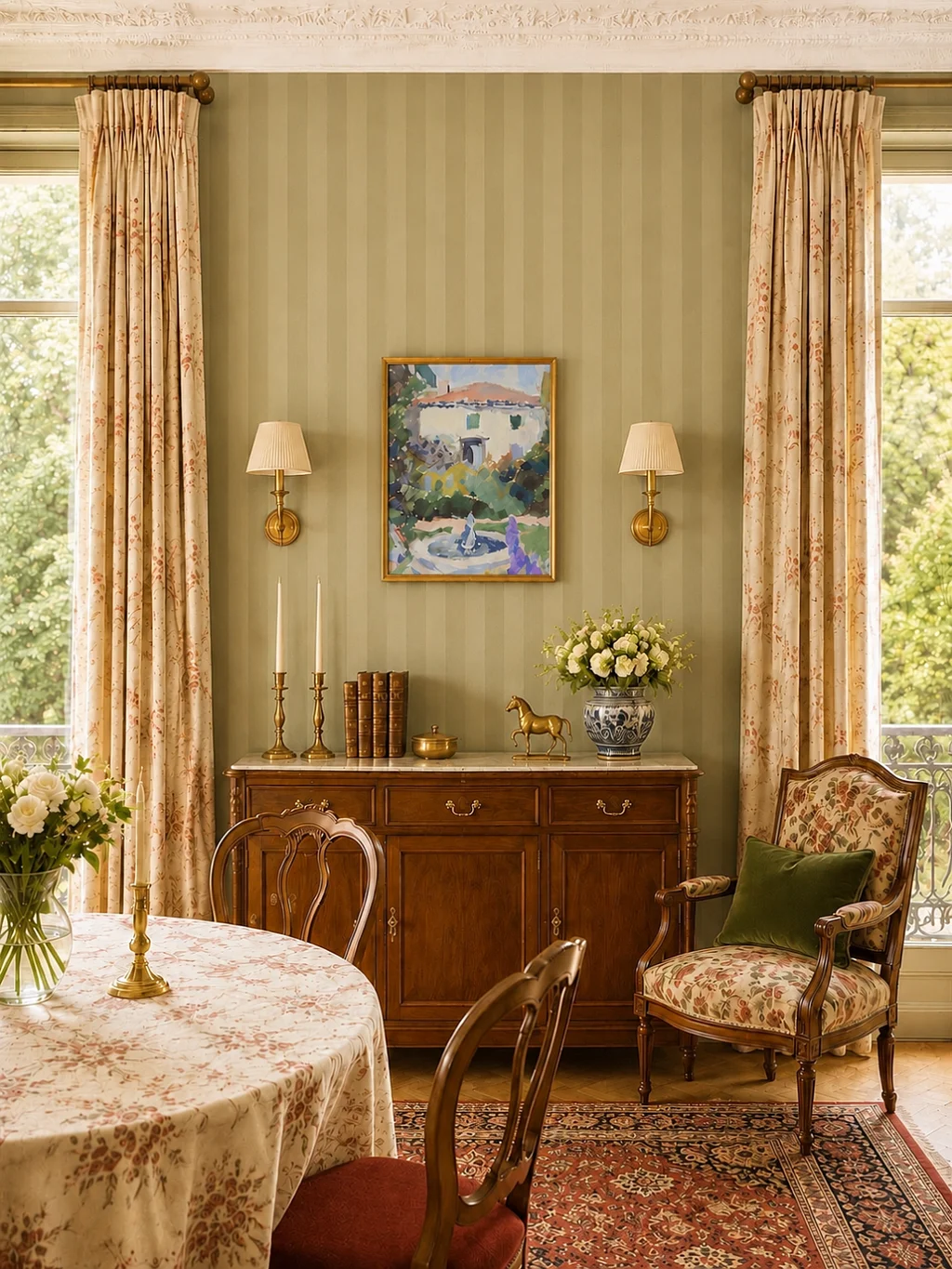
Where to Hang Canvas Prints in Your Home
Choosing the right artwork is only part of the story.
Where you place it is equally important.
A thoughtfully positioned canvas print does more than fill an empty wall. It helps define how a room feels, where the eye naturally travels, and how people experience the space throughout the day.
Collected homes understand this instinctively.
Artwork is never an afterthought.
It is considered alongside architecture, furniture, natural light, and the rhythms of everyday life.
Canvas Prints Above the Sofa
The living room is often where a home’s personality becomes most visible.
A large canvas above the sofa naturally anchors the seating area and creates a visual centre without overwhelming the room.
Oversized artwork tends to feel calmer than several smaller pieces because it allows the eye to rest.
When choosing the size, aim for artwork that spans approximately two-thirds to three-quarters of the sofa’s width. This creates balance while allowing enough breathing room on either side.
Soft landscapes, botanical paintings, abstract compositions, and expressive florals all work beautifully in this setting because they contribute atmosphere without competing with conversation.
Above the Fireplace
For centuries, fireplaces have served as the heart of the home.
It is only natural that artwork occupies the space above them.
A carefully chosen canvas print transforms the fireplace into an architectural focal point while introducing warmth and character.
Whether the room is traditional or contemporary, the artwork should feel proportional to both the mantel and the height of the wall.
Rather than decorating the fireplace, the painting should appear to belong to it.
In the Dining Room
Dining rooms invite people to slow down.
To gather.
To celebrate.
Artwork should support this atmosphere.
Floral still lifes, landscapes, vineyards, botanical studies, and quietly expressive abstracts often complement dining spaces beautifully because they create warmth without becoming visually overwhelming.
A single large canvas usually feels more elegant than numerous smaller pieces, allowing conversation to remain the centre of attention.
In the Bedroom
Bedrooms benefit from artwork that encourages rest rather than stimulation.
Soft colour palettes.
Gentle landscapes.
Cloud studies.
Delicate botanicals.
Muted abstracts.
These compositions contribute calm while introducing visual softness above the bed or opposite it.
Collected bedrooms rarely rely upon dramatic statements.
Instead, they favour artwork that feels peaceful enough to wake up with every morning.
In the Entrance Hall
The entrance offers the first impression of a home.
A thoughtfully placed canvas immediately establishes its atmosphere.
Guests begin understanding the character of the interior before stepping into the living spaces.
A landscape may suggest serenity.
A floral painting introduces warmth.
An expressive abstract creates quiet confidence.
Whatever the subject, the artwork becomes an invitation into the story of the home.
Hallways and Staircases
These transitional spaces are often overlooked.
Yet they provide wonderful opportunities for art.
A series of smaller canvas prints can create rhythm along a hallway, while a larger statement piece can transform an ordinary staircase landing into one of the home’s most memorable moments.
These areas encourage slower observation because people naturally move through them rather than gathering there.
Artwork quietly accompanies that journey.
Home Offices and Creative Spaces
The artwork surrounding a workspace subtly influences concentration and mood.
Many people choose calming landscapes, architectural studies, or abstract compositions that inspire reflection without creating distraction.
Because creative work often involves long periods of focus, living with artwork that continues revealing quiet details over time can become deeply rewarding.
Kitchens and Breakfast Areas
Kitchens have increasingly become gathering spaces rather than purely functional rooms.
Canvas prints introduce warmth that complements natural materials such as wood, stone, and handmade ceramics.
Botanical illustrations.
Fruit still lifes.
Garden scenes.
Wildflowers.
These timeless subjects feel particularly at home where meals are prepared and shared.
Reading Corners
Every collected home deserves one quiet corner dedicated to slowing down.
A comfortable chair.
A small table.
Good light.
A favourite book.
The artwork here should feel intimate rather than monumental.
A modest botanical.
A peaceful landscape.
A gentle portrait.
These quieter compositions create a sense of companionship that makes the space feel deeply personal.
Let Architecture Lead
Perhaps the best decorating advice is also the simplest.
Allow the architecture of the room to guide your decisions.
High ceilings naturally welcome larger works.
Smaller alcoves invite more intimate pieces.
Wide walls often benefit from generous compositions.
Narrow spaces appreciate vertical formats that emphasise height.
Rather than forcing artwork into a room, allow it to respond to the proportions already present.
Collected interiors rarely feel overdesigned because they work with the architecture rather than against it.
Ultimately, there is no single perfect place for a canvas print.
There is only the place where it feels most at home.
The wall where the morning light gently touches it.
The room where it completes the atmosphere.
The space where it quietly becomes part of everyday life.
That is where artwork truly belongs.
Frequently Asked Questions About Canvas Prints
Are canvas prints worth buying?
Yes. A well-made canvas print offers exceptional longevity, beautiful texture, and a timeless appearance that complements a wide variety of interior styles. Premium canvas prints are designed to be enjoyed for many years, making them one of the most enduring ways to introduce art into a home.
What is the difference between a canvas print and a poster?
The primary difference is the material and presentation. Canvas prints are produced on textured woven canvas and stretched over a wooden frame, creating depth and a more painterly appearance. Posters are printed on paper and are typically placed behind glass or mounted in frames. Canvas prints generally feel warmer, more architectural, and more permanent within an interior.
Do canvas prints look expensive?
High-quality canvas prints often have the appearance of far more expensive artwork because of their texture, depth, and gallery-wrapped construction. Premium materials, archival printing, and thoughtful craftsmanship all contribute to a refined, sophisticated finish.
How long do canvas prints last?
Premium canvas prints produced with archival pigment inks and quality materials can remain beautiful for several decades when displayed under normal indoor conditions and cared for properly. Avoiding prolonged direct sunlight and excessive humidity will help preserve their colour and structure.
Can canvas prints fade over time?
Like all artwork, canvas prints may gradually fade after many years if exposed to continuous direct sunlight. However, archival pigment printing significantly improves colour stability, allowing premium canvas prints to maintain their richness for decades under typical interior conditions.
Do canvas prints need a frame?
No. Gallery-wrapped canvas prints are designed to be displayed without an additional frame because the artwork continues around the edges of the canvas. Some homeowners choose to add floating frames for a different aesthetic, but it is entirely a matter of personal preference.
What does gallery wrapped mean?
A gallery-wrapped canvas is stretched around a solid wooden frame with the artwork continuing over the sides. This creates a clean, finished appearance from every angle and allows the canvas to be displayed beautifully without a traditional frame.
Where should canvas prints be displayed?
Canvas prints work beautifully throughout the home, including living rooms, bedrooms, dining rooms, hallways, home offices, and entrance halls. The best location depends on the size of the artwork, the natural light within the room, and the atmosphere you wish to create.
Are canvas prints suitable for modern interiors?
Absolutely. Canvas prints complement modern, traditional, Scandinavian, English country, Mediterranean, minimalist, and transitional interiors alike. Their versatility comes from their timeless materials rather than any particular decorating style.
What size canvas print should I choose?
The ideal size depends on both the wall and the furniture beneath it. Larger walls generally benefit from oversized artwork that creates visual balance, while smaller rooms often feel more harmonious with medium or compact compositions. Choosing artwork that feels proportional to the surrounding architecture usually produces the most timeless result.
How do I clean a canvas print?
Dust the surface gently using a soft microfiber cloth or feather duster. Avoid household cleaners, chemical sprays, or abrasive materials. With occasional gentle cleaning, premium canvas prints require very little maintenance.
Can canvas prints be hung in bathrooms?
Canvas prints can be displayed in well-ventilated bathrooms with stable humidity, but they should not be exposed to constant steam or excessive moisture over long periods. Living rooms, bedrooms, dining rooms, and hallways generally provide the ideal environment.
Are canvas prints a good gift?
Canvas prints make thoughtful gifts because they combine beauty with longevity. Whether celebrating a new home, a wedding, an anniversary, or a special milestone, timeless artwork often becomes a lasting part of the recipient’s everyday life.
Why do interior designers use canvas prints?
Interior designers appreciate canvas prints because they introduce warmth, texture, and scale while avoiding the reflections commonly associated with glass-covered artwork. Their versatility also allows them to integrate naturally into both contemporary and classic interiors.
Why choose House of Sun Editions canvas prints?
At House of Sun Editions, every collection is created with the belief that art should become part of everyday life rather than simply decorate a room. Our gallery-wrapped canvas prints are produced using premium materials and archival-quality printing to celebrate timeless interiors, thoughtful craftsmanship, and the quiet beauty of collected homes. Each piece is designed to live beautifully alongside the moments that make a house feel like home.