The Picture Rail: How Art Learned to Hang from Architecture
Before the nail became invisible, hanging a picture was part of the room’s architecture—a visible system of moulding, cord, chain and changing arrangements.

A picture rail is a narrow horizontal moulding fixed high on a wall, designed to support hooks from which pictures can hang by cord, wire or chain. Its practical promise is simple: paintings can move without repeatedly piercing plaster. Its visual effect is more interesting. The hanging system remains visible, turning the route between architecture and artwork into part of the composition.
Picture rails are closely associated with nineteenth- and early twentieth-century interiors, but their story belongs to a broader history of walls becoming increasingly specialized. Cornice, frieze, dado and skirting divided the room into zones; wallpaper and paint clarified those divisions; art occupied them according to changing ideas about display. The rail sat at the meeting point between preservation, flexibility and decoration.

The Wall Could Change Without Being Wounded
Traditional plaster does not welcome endless experiments with nails and screws. A rail placed below the cornice offered a durable line from which hooks could be suspended. Pictures rose and fell as cords were shortened, lengthened or crossed; a room could absorb a new portrait, rearrange a group or change with an inheritance.
This practical flexibility suited interiors in which collections were expected to grow. The rail did not require every picture to share a height or frame. It established one continuous architectural datum while allowing the art beneath it to remain varied.
“The wall was not a blank surface. It was an instrument for living with change.”House of Sun Editions
A Room Was Read in Horizontal Bands
In many period interiors, the wall was understood through layers. The skirting met the floor; the dado protected the lower wall and answered the height of furniture; the main field carried wallpaper, paint and pictures; the frieze prepared the transition to the ceiling. A picture rail could mark the upper edge of the principal field or sit within this hierarchy.
Its position was never universally identical. Ceiling height, fashion and construction changed the proportion. That is why copying a fixed measurement into a contemporary room can feel arbitrary. The rail belongs to the architecture when it relates to doors, windows, cornice and the visual weight of the wall below.
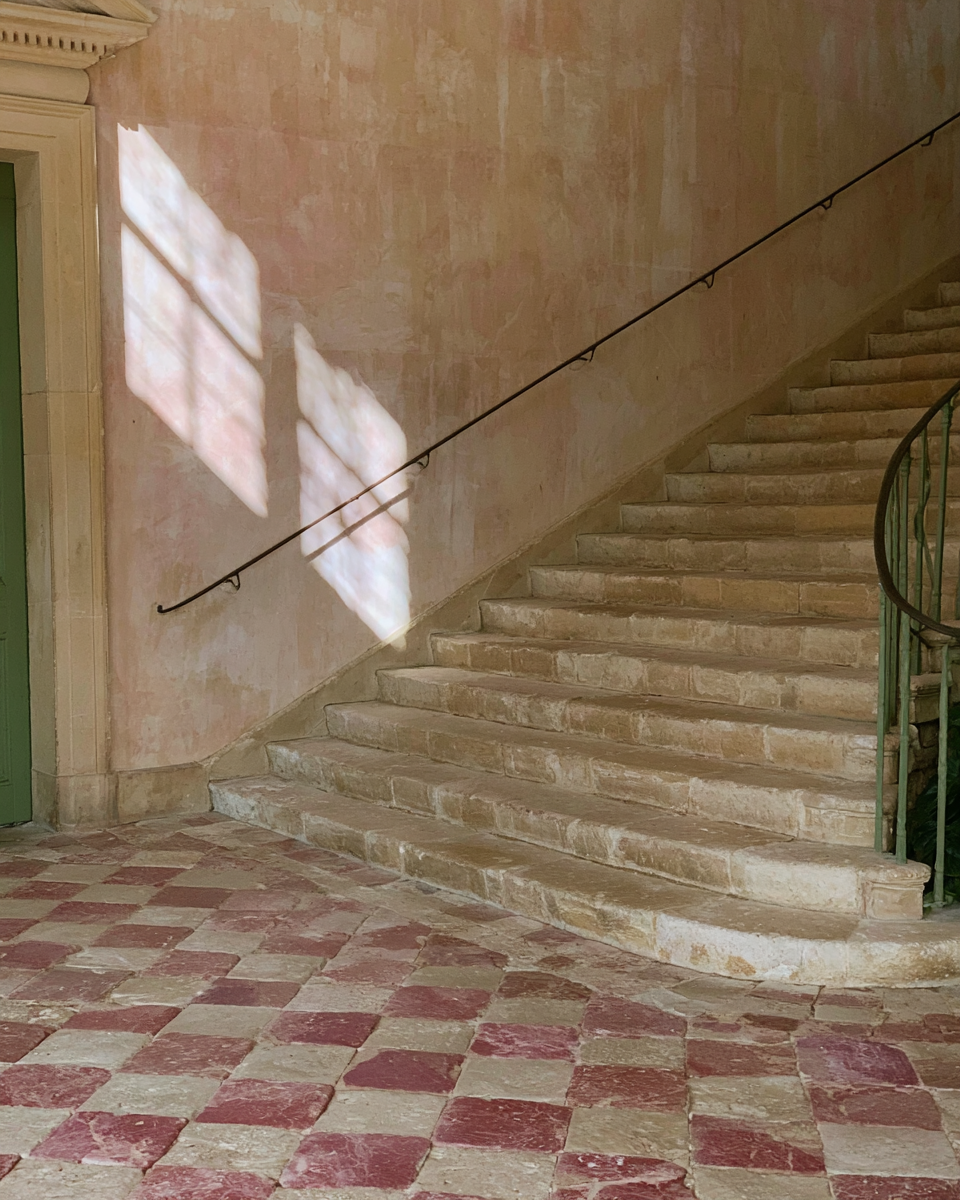


How High Should a Picture Rail Be?
There is no historically correct height that suits every room. In some interiors the rail sits close beneath the cornice and defines a shallow frieze; elsewhere it aligns with the tops of doors or establishes a deeper band above the picture field. Ceiling height, window heads, existing mouldings and the proportions of the room all influence where the line feels architectural.
If an original rail survives, its position is evidence and should not be “corrected” to meet a generic rule. For a new rail, draw the proposed line around the room with low-tack tape. View it from seated and standing positions, and notice where it meets door and window casings. A rail that looks plausible on one empty wall may cut awkwardly through another elevation.
The height of the rail does not dictate that every frame must hang immediately below it. Long cords can lower small pictures toward the normal viewing field; shorter drops can place larger work higher. Think of the moulding as the shared source of the hanging system, not as the top edge of a rigid gallery grid.
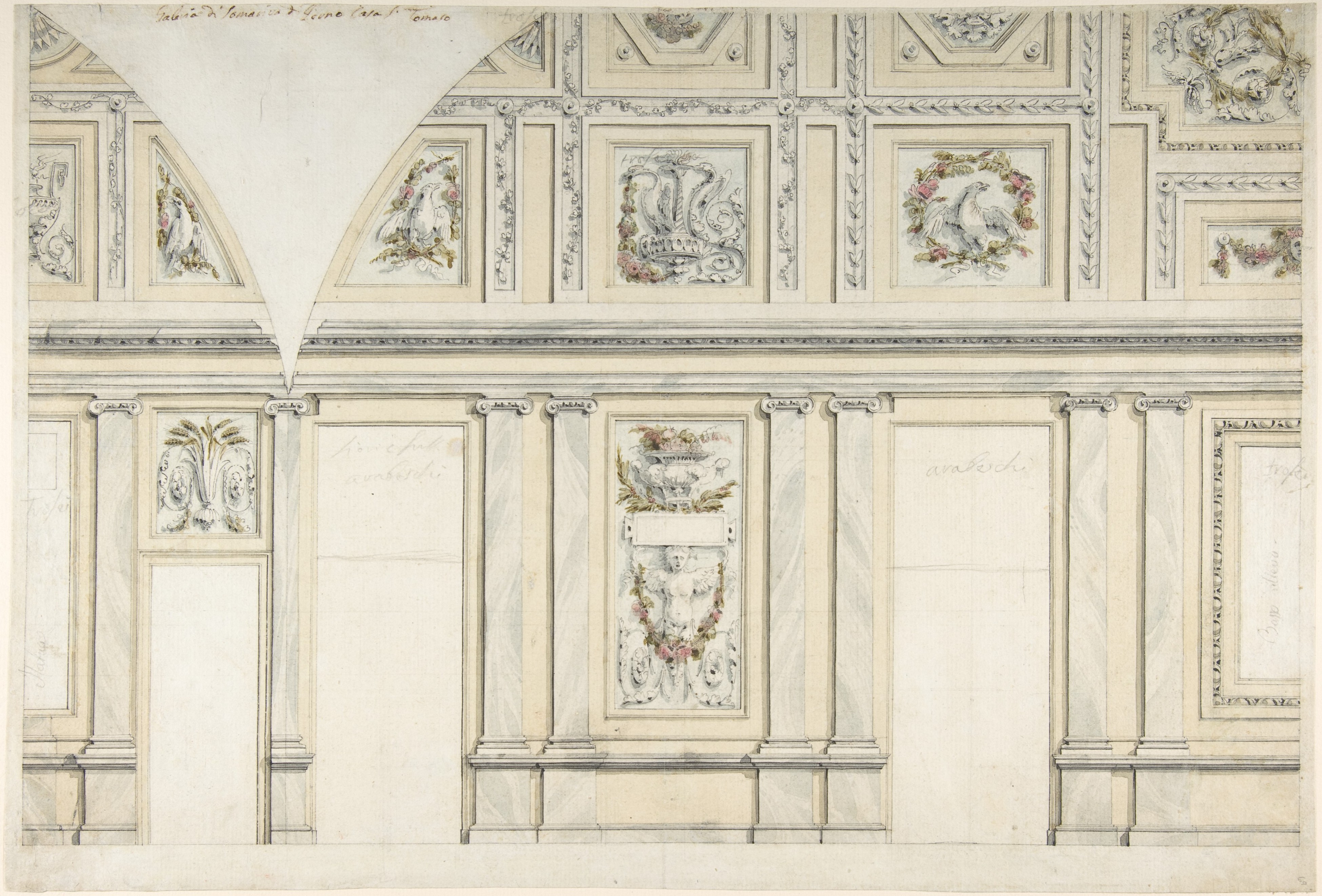
Hooks, Cord and Chain Became Graphic Lines
The rail’s hardware was not always meant to disappear. Brass hooks, braided cord and slender chains created diagonals above the frames. Some arrangements used a single drop; others formed triangular suspensions. The line could be quiet against patterned wallpaper or deliberately legible on a painted field.
That visible connection changes how we perceive the picture. Instead of floating as an isolated rectangle, it appears tethered to the room. The suspension acknowledges weight and gravity. It also reveals that display is constructed—an arrangement made by someone, and therefore open to revision.
“A hanging picture records two choices: what to keep, and where to let it rest for now.”House of Sun Editions
When the Hanging System Disappeared
As museums and galleries increasingly favored clean walls and isolated works, visible hanging systems could seem domestic, historical or distracting. Modern construction made direct fixings easier; changing taste treated the uninterrupted wall as neutral. Yet neutrality is itself a style. A picture fixed with concealed hardware still depends on a system—it simply hides the evidence.
The renewed interest in rails reflects more than nostalgia. It responds to renters, collectors and people who want rooms that can evolve. It also suits the present appetite for interiors in which objects, books and art feel accumulated rather than frozen into a single symmetrical installation.
From Salon Density to a Single Suspended Work
A picture rail can support many kinds of arrangement. Dense historical displays often stacked pictures above and beside one another, using differences in scale and frame to create a field of looking. A contemporary room may use the same system for one large work, a quiet pair or a small group that changes with the seasons. The mechanism does not demand a period imitation.
Begin with an anchor: the largest or most visually important work. Place its center near a comfortable viewing height, then add smaller pictures by relating their edges, centers or intervals. Avoid equal spacing by accident. A narrow gap communicates a pair; a wider gap lets two works remain independent. Cords form another layer of composition, so check the diagonals above the frames rather than looking only at the rectangles below.
If a group includes photographs, works on paper and canvas, the rail can unify different depths and frame finishes. Repetition of cord material or hook finish is often enough. The result should feel collected because the objects have relationships, not because every element has been made identical. For decisions about subject, proportion and placement before hanging, see the House of Sun Editions guide to choosing wall art for your home.
“Architecture becomes generous when it leaves room for the next picture.”House of Sun Editions

Using a Picture Rail Today
Begin with the building. If an original rail survives, preserve it and understand how it is fixed before loading it. For a new installation, treat the rail as structural hardware as well as decoration: choose a profile appropriate to the room, anchor it securely and confirm the combined weight it can support.
Let the cords be intentional. Match them to the wall for quietness or choose a material that relates to the frame hardware. Avoid forcing every picture into one line. The rail’s strength is flexibility: a large anchor work can sit with smaller companions, and the arrangement can change without pretending it was always final.
For valuable or heavy works, use conservation-minded materials and professional installation. Historic plaster, rail condition and hardware capacity need individual assessment.
What to Check Before Hanging Art from a Picture Rail
A decorative strip is not automatically a load-bearing picture rail. Confirm how the moulding is fixed, what material lies behind it and whether age, previous alterations or movement have weakened it. The hook must fit the rail profile securely; the cord, wire or chain must be rated for the work; and the fixing on the back of the frame must distribute weight without straining the object.
For a double suspension, level the frame and keep both sides under controlled tension. Felt bumpers at the lower corners can protect the wall and steady the picture. Avoid improvised knots, brittle old cord and hardware whose safe capacity is unknown. Heavy mirrors, glazed works and valuable originals warrant advice from an experienced installer or conservator, especially in a home with historic plaster.
Light and environment still matter. A rail makes rearrangement easier, but it does not protect art from direct sun, heat, damp or large swings in humidity. Works on paper generally benefit from conservation framing and suitable glazing. Keep cords clean and inspect them periodically, particularly after moving a frame.
The most useful rule is simple: every component—from rail to hook to cord to frame fitting—must be appropriate for the finished weight. The capacity of the system is determined by its weakest part.
Picture Rail Basics
What is a picture rail?
It is a horizontal moulding designed to receive hooks so pictures can hang by cord, wire or chain. It allows arrangements to change without repeatedly making holes in the wall below.
Is picture rail the same as dado rail?
No. A picture rail normally sits high on the wall and supports hanging hardware. A dado or chair rail is lower and belongs to a different part of the wall’s architectural hierarchy.
Can any moulding hold a picture hook?
No. A decorative moulding may have the wrong profile or fixing. Confirm that it is intended and installed for the load before hanging art.
Should picture-rail cords match the wall?
They can recede by relating to the wall color, or remain visible as part of the display. The choice is aesthetic; safe material, sound knots and suitable load capacity come first.
Can renters use a picture rail?
An existing sound rail can make changing art easier, but the tenancy and the rail’s condition still matter. Do not assume it is structurally safe simply because it looks original.
Sources & further reading
Weald & Downland Living Museum, “Picture and Dado Rails” · Victoria and Albert Museum resources on Victorian interiors · The Met, Frank Waller, Interior View of the Metropolitan Museum of Art when in Fourteenth Street (Public Domain) · The Met, Leonardo Marini, Design for the Interior of a Gallery of a Palace (Public Domain) · The House of Sun Editions Journal. Historical language is kept general where sources vary by period and region.
