Gallery-Wrapped Canvas Prints: When an Unframed Edge Is the Right Choice
How depth, proportion and a clean edge allow canvas to sit naturally beside antiques, architecture and contemporary furniture.
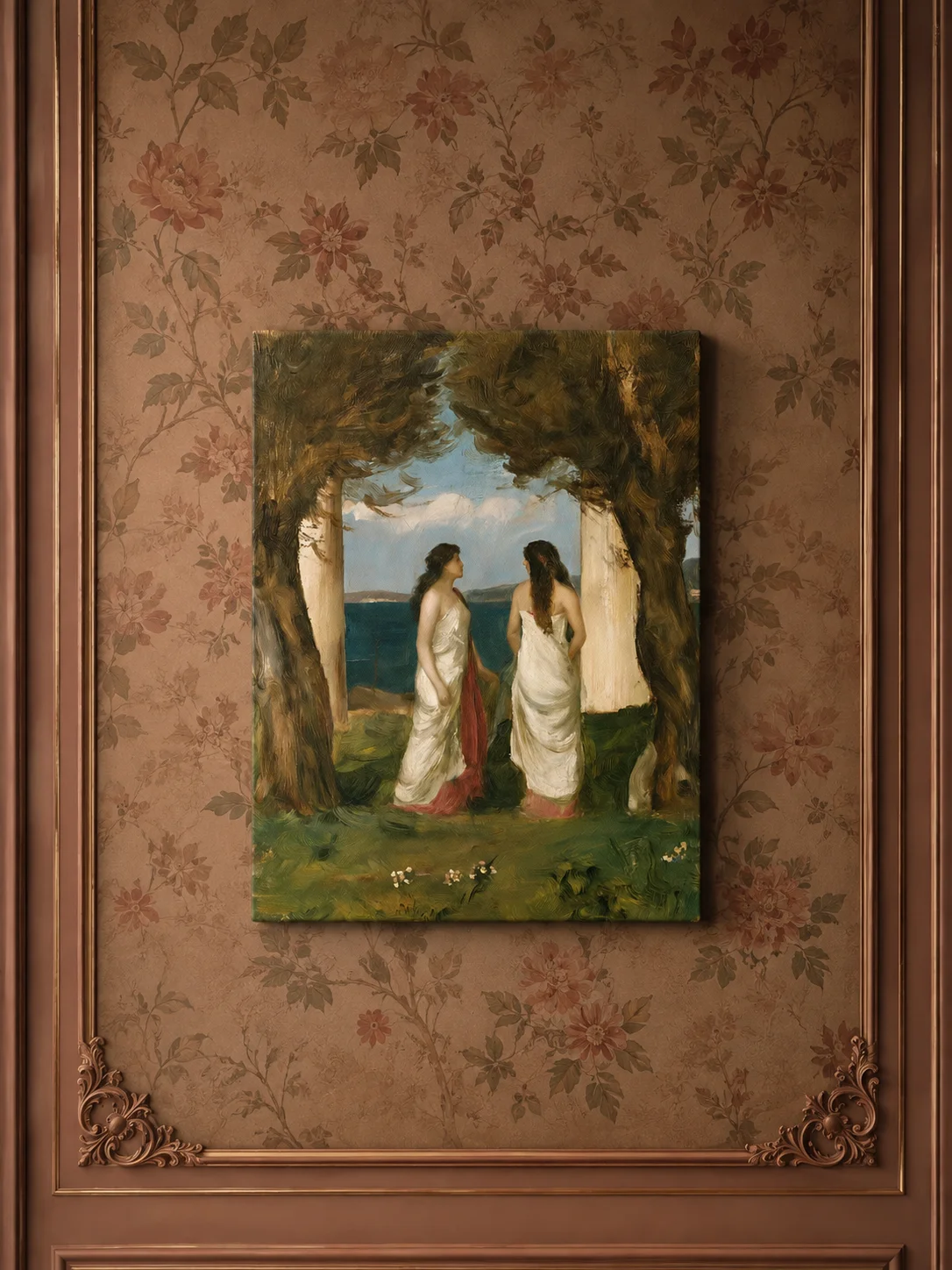
A gallery-wrapped canvas is often described by what it lacks: no glass, no mat and no visible outer frame. That description misses its strongest quality. A wrapped canvas is a finished three-dimensional object. The image continues to the edge or resolves against it; the wooden support gives the work physical depth; the surface absorbs rather than reflects light. In the right room, those qualities create calm and presence without adding another ornamental border.
This guide is for anyone deciding between an unframed gallery-wrapped canvas and a conventionally framed print. It explains what the format is, how its edge changes the relationship between image and wall, where it works especially well, and what to check before choosing a size. It also compares four House of Sun Editions works with different compositions so the decision begins with the picture rather than a generic rule.
What Gallery-Wrapped Canvas Actually Means
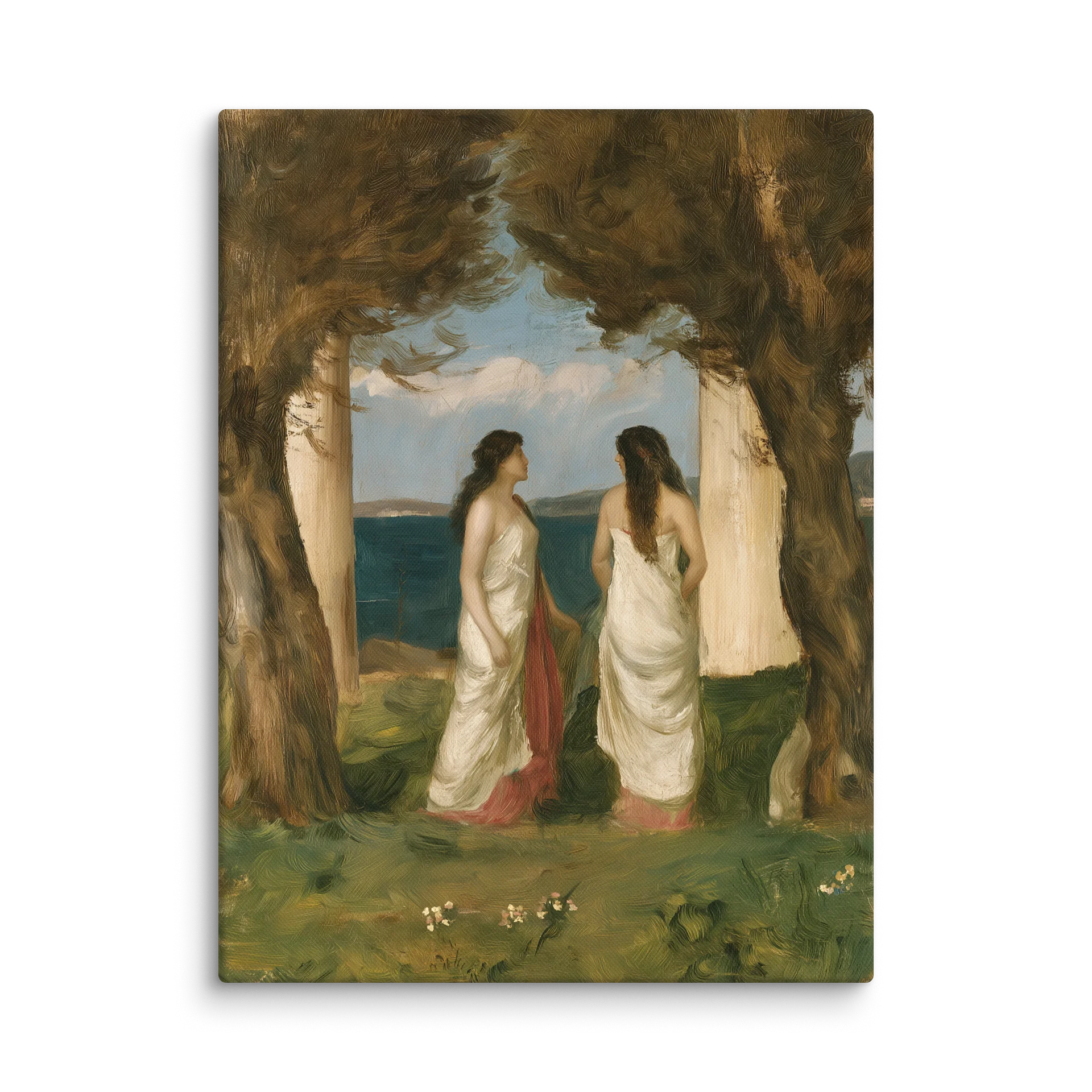
In a gallery wrap, printed canvas is stretched around a wooden support so the image becomes an object with visible sides. House of Sun Editions currently describes its canvas as an acid-free, pH-neutral poly-cotton base with a 1.25-inch support. That depth matters: viewed from an angle, the work projects from the wall and casts a slight shadow.
The format differs from a paper print placed beneath glass. Canvas has a woven surface and avoids glazing reflections. It also differs from a framed painting: the clean edge supplies its own boundary. None of these formats is inherently more refined. The right choice depends on the image, surrounding architecture and degree of visual punctuation the room needs.
Shop This Canvas Print →“A clean edge does not make a room less collected; it gives history a little air.”House of Sun Editions
The Edge Is Part of the Composition
A frame acts like punctuation. Gilt can introduce light and ceremony; dark wood can add gravity; a narrow black profile can sharpen a soft image. An unframed canvas changes the sentence. The transition from image to wall becomes quieter, allowing color, movement and scale to lead.
This can be especially useful in rooms that already contain strong architectural lines, patterned wallpaper, carved furniture or several framed works. The canvas adds material presence without contributing another competing moulding. In a restrained interior, the same clean edge can prevent a historical or romantic subject from feeling staged.
Judge the actual product, not the persuasive atmosphere of a mockup. Confirm dimensions on the product page and mark them on the wall with removable tape.
Read the Edge as Carefully as the Image
“Gallery-wrapped” describes the construction, but it does not tell you exactly what appears on the sides. With an image wrap, the picture continues around the stretcher; with a mirrored wrap, material from the perimeter is reflected to preserve the full front composition; with a solid-color edge, the front image ends cleanly and the sides become a quiet band. The difference is most visible beside a doorway, at the end of a corridor or anywhere the canvas is approached from an angle.
Look for a product photograph that shows both the face and the depth. A successful wrap should not sacrifice an important hand, flower, horizon or architectural detail at the turn. If the composition is cropped tightly, a neutral edge may preserve it more faithfully than extending the image. If the picture contains generous sky, foliage or abstract movement, a continuation around the side can make the object feel expansive.
The corners deserve attention as well. They should read as deliberate folds rather than bulky interruptions. In a collected interior, this workmanship matters because the eye meets the canvas at close range, among wood grain, textile seams, carved mouldings and other evidence of the hand. The unframed format is visually simple, but simplicity makes construction easier to see.
Four Works, Four Reasons to Leave the Edge Quiet
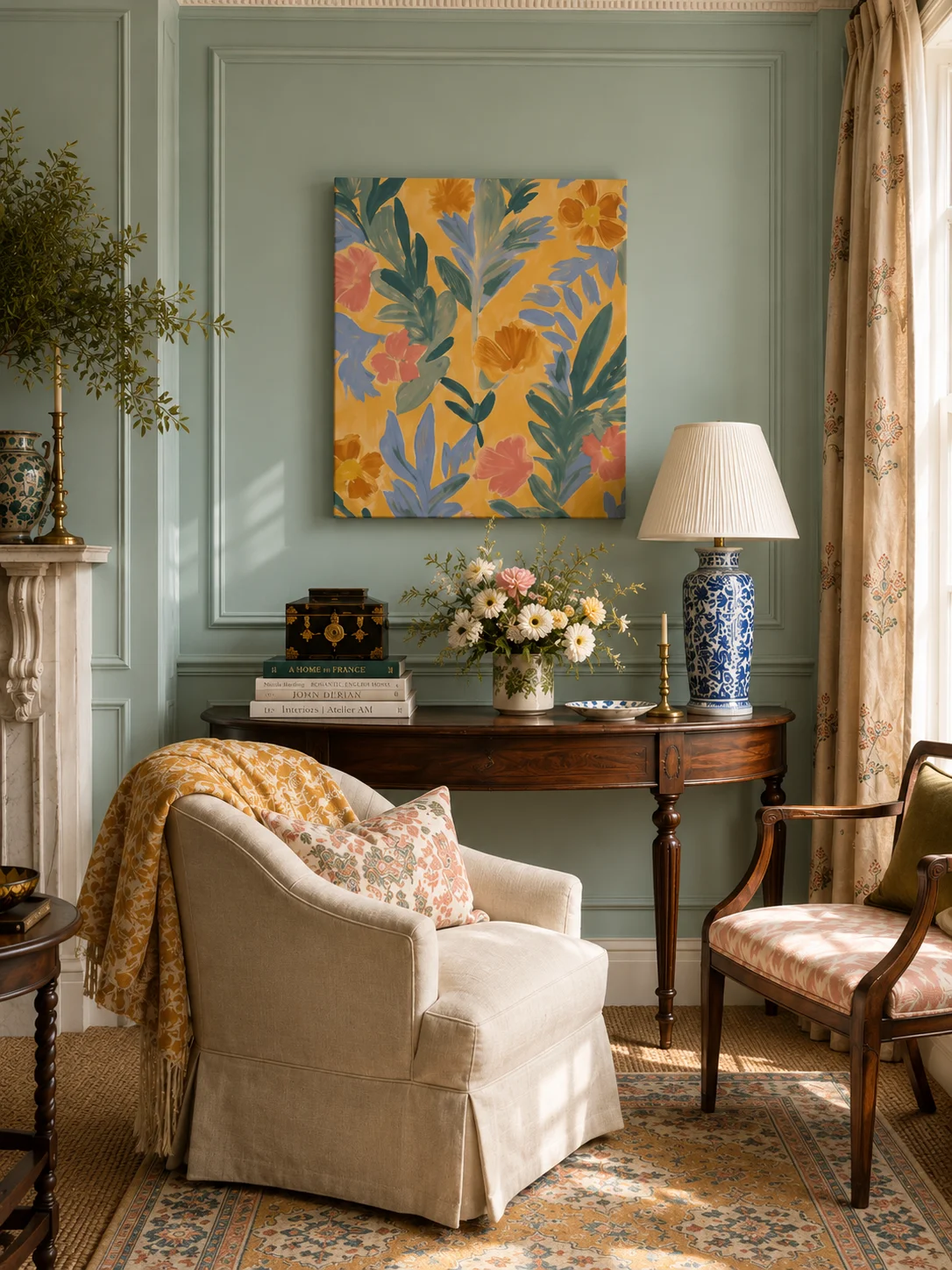
Golden Bloom I
Broad yellow and blue movement already supplies an internal boundary. The quiet outer edge lets the composition stay expansive.
Shop This Canvas Print →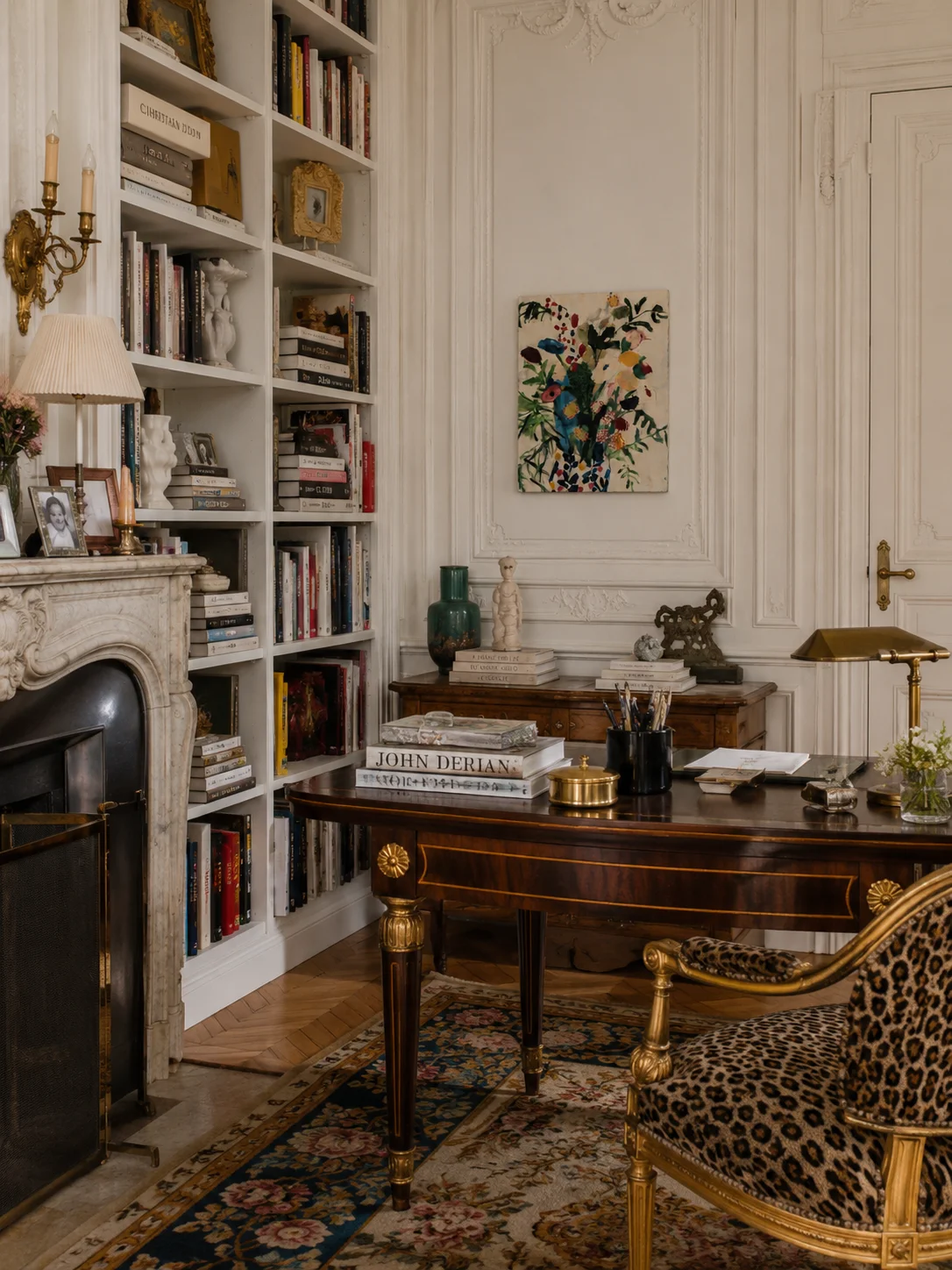
Botanical Study I
A botanical subject can feel scholarly without requiring a traditional frame. The clean wrap gives foliage and negative space more clarity.
Shop This Canvas Print →
Golden Bloom II
Painterly color supplies warmth beside old wood and textiles; an unframed edge keeps the contrast contemporary.
Shop This Canvas Print →Arcadian Dialogue I
Classical references gain freshness when the object is allowed to remain visibly contemporary and clearly described as a canvas print.
Shop This Canvas Print →“The frame may finish an image. Sometimes the room has already done that work.”House of Sun Editions
Traditional Rooms Do Not Require Traditional Frames
A classical or country interior already contains many boundaries: cornices, panel mouldings, door casings, cabinet fronts, patterned borders and the strong silhouettes of antique furniture. Adding a frame can be beautiful, particularly when its finish answers a gilt mirror or aged brass. It can also make a wall feel over-articulated. An unframed canvas offers a pause. It lets a historical subject enter the room as a contemporary object without pretending to be an inherited oil painting.
Start with the architecture rather than a style label. On limewash or softly uneven plaster, the canvas depth creates a small shadow that is often enough to separate the work. On wallpaper, check that the picture contains a stable area of value or color so its perimeter does not dissolve into the pattern. Within wall panelling, measure the usable field inside the mouldings; the canvas should have air on every side and should not appear wedged into the panel.
Rooms that mix periods often benefit most. A clean canvas above an eighteenth-century chest, beside a pleated lamp or opposite a modern sofa creates a clear relationship without forcing the objects into false agreement. This is the principle behind a collected home: materials and forms converse across time, while each remains honest about what it is.
For a broader approach to proportion, subject and room placement, use the House of Sun Editions guide to choosing wall art for your home before deciding on the final format.

Where an Unframed Canvas Feels Most Convincing
Above a console, the visible depth gives a canvas enough physical presence to relate to lamps, ceramics and books. In a bedroom, the absence of glass reduces glare and keeps the composition soft. On patterned wallpaper, a substantial canvas can create a visual pause without the additional contrast of an ornate frame.
Leave breathing space around the work. An unframed canvas looks deliberate when its edge is legible; crowding it against moulding, a tall lamp or curtain can erase the quality that made the format attractive. If several works share a wall, repeat a color or visual rhythm rather than forcing every edge to match.
Scale, Hanging Height and Long-Term Care
Begin with the complete wall, then measure the furniture beneath it. Above a console, bed or sofa, the artwork should relate to the furnishing as a group rather than float as a small independent object. There is no universal percentage that can replace looking, but a paper template or removable tape reveals whether the proposed width feels grounded. Test the outline from the doorway, from the principal seat and from close range. A size that appears generous on a product page may become modest on a tall wall.
Use eye level as a starting point, not a command. A work above furniture often sits lower than one on an empty wall because the objects need to read together. Leave enough space to prevent collision with lamps, flowers and people sitting below, while avoiding a disconnected strip of wall. In a staircase or double-height room, follow the actual sightline rather than an abstract center point.
Light changes both image and surface. Canvas usually produces less glare than a glazed print, but raking light can emphasize its weave and direct sun can damage color over time. Observe the wall in morning, afternoon and lamplight. If adding a picture light, choose an even beam and keep heat away from the surface. Avoid damp exterior walls, steam and positions directly above a working fireplace.
Follow the hanging instructions supplied with the product and choose fixings for the wall material and finished weight. Plasterboard, masonry and historic plaster require different anchors. After installation, dust gently with a clean, dry, soft cloth; do not spray cleaner onto the printed surface. These quiet practical choices protect the crisp edge that made the unframed format persuasive in the first place.
“Choose the boundary that lets the picture speak at the distance from which you live.”House of Sun Editions
Gallery-Wrapped Canvas Prints
What is a gallery-wrapped canvas print?
It is a canvas stretched around a wooden support so the printed surface forms a finished object with visible depth. Check the current product page for the exact construction and dimensions.
Does gallery-wrapped canvas need a frame?
No. It can be displayed unframed when its scale, depth and edge create enough presence. A separate frame remains an aesthetic option when the room benefits from stronger punctuation.
Can an unframed canvas work in a traditional interior?
Yes. Subject, color, scale and neighbouring materials matter more than a rule about period. A clean edge can bring useful restraint beside antiques, patterned fabric and architectural detail.
How should I choose the size?
Measure the wall and the furniture beneath it, then mark the proposed dimensions with removable tape. Use the listing dimensions rather than estimating from a styled photograph.
Will canvas reflect light?
Canvas generally avoids the strong reflections created by glazing, although direct sunlight can still affect visibility and should be avoided for long-term display.
Sources & product references
Arcadian Dialogue I product information · Golden Bloom I product information · How to Choose Wall Art for Your Home. Product details and links checked 8 October 2026.
