Modern English Style Interior Design: The Complete Guide to Creating a Timeless Home
What Is Modern English Style Interior Design?
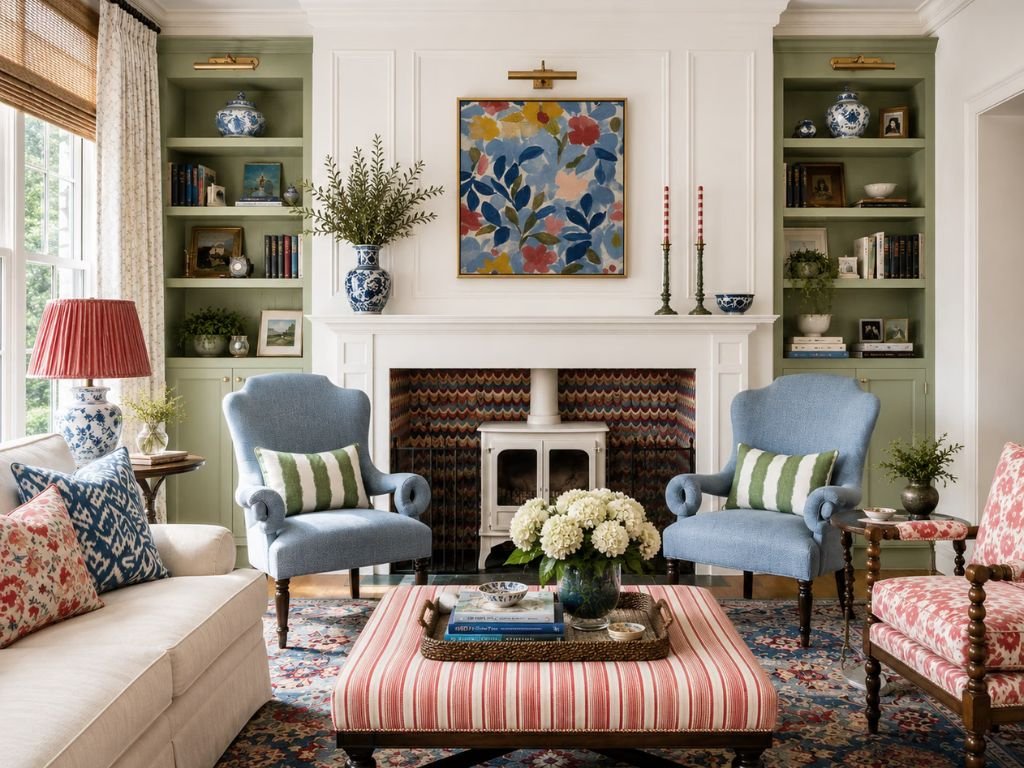
Modern English style combines the warmth and character of traditional British interiors with the simplicity and functionality of contemporary design.
Instead of copying historic homes exactly, it preserves their spirit while adapting them to modern lifestyles.
The result is an interior that feels lived-in, elegant, and timeless rather than overly styled.
Unlike minimalist interiors, which often prioritize empty space, English interiors celebrate personality. Every room tells a story through carefully chosen furniture, artwork, textiles, books, lighting, and collected objects.
Perhaps the greatest characteristic of the style is that nothing appears to have been purchased all at once. Instead, each room feels as though it has evolved naturally over many years.
The History Behind the Style
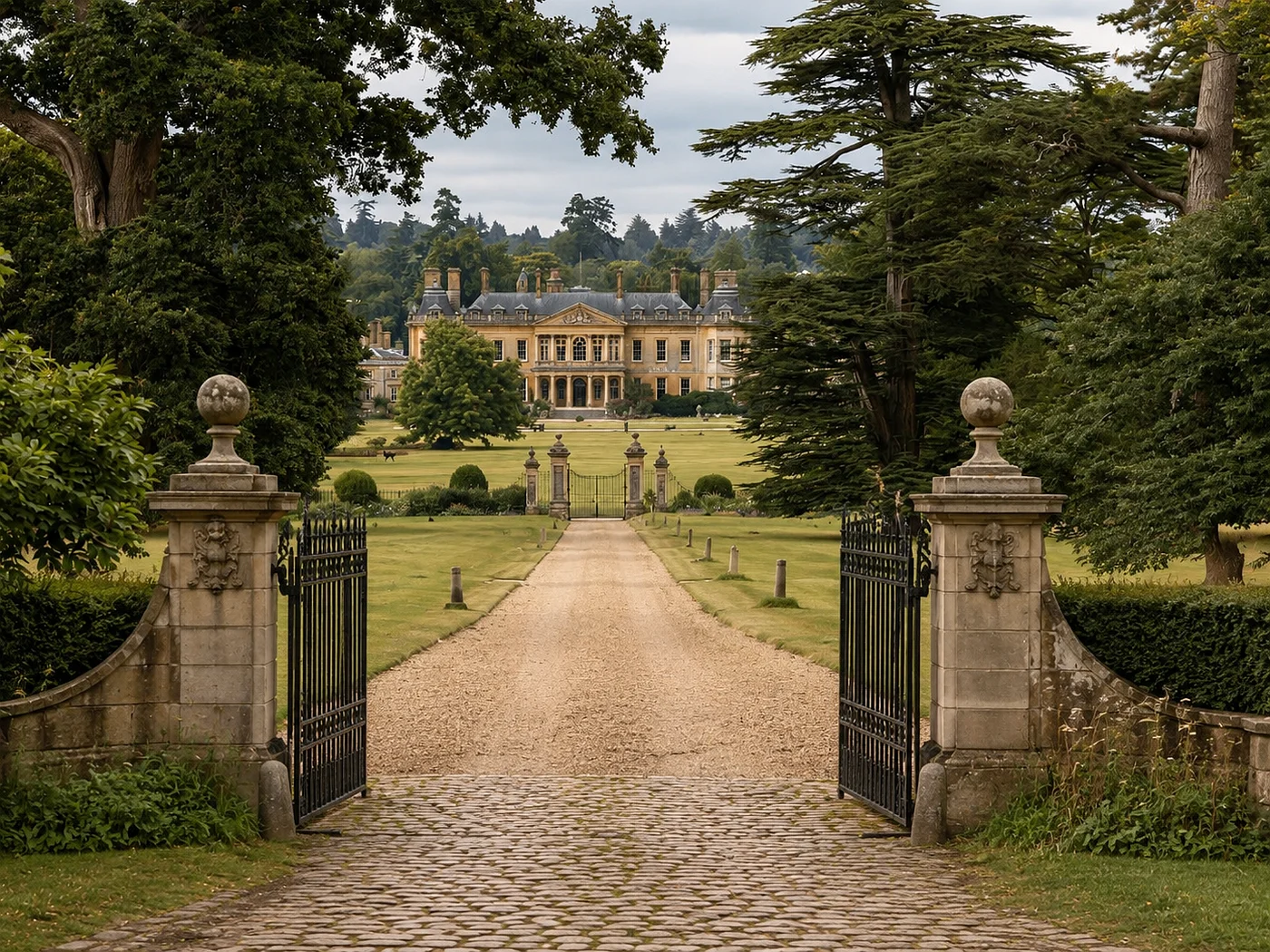
Modern English style interior design is not a passing trend—it is the result of centuries of thoughtful craftsmanship, evolving architecture, and a deep appreciation for homes that become more beautiful with time.
Its roots can be traced back to the grand Georgian townhouses of the eighteenth century, where elegant proportions, classical symmetry, and fine craftsmanship established the foundations of British interiors. During the Victorian era, these refined spaces became richer and more personal, layered with books, artwork, collected antiques, and decorative objects gathered over generations.
By the late nineteenth century, the Arts and Crafts movement introduced a renewed respect for handmade furniture, natural materials, and authentic craftsmanship. Rather than celebrating excess, it emphasized quality, simplicity, and the beauty of objects made to last.
Today’s modern English style interior design carries this heritage forward while embracing contemporary living. Instead of recreating historic homes exactly as they once were, it borrows their most enduring principles and adapts them for modern spaces.
This is why a contemporary London apartment, a countryside cottage, or even a city loft can all embody the spirit of an English home. The focus is not on architectural age, but on atmosphere.
Rooms are designed to feel collected rather than decorated. Furniture is chosen for comfort as much as beauty. Antiques happily coexist with contemporary pieces. Fresh flowers become part of everyday life. Books are displayed rather than hidden away. Artwork tells stories instead of simply filling empty walls.
Perhaps the greatest lesson modern English interiors teach us is that a beautiful home is never completed overnight.
It evolves.
Each season introduces another layer—a landscape painting discovered while travelling, a ceramic vase collected from a local artisan, linen that grows softer with every passing year, or a bouquet of garden flowers arranged on a quiet Monday morning.
This gradual approach creates homes with warmth, authenticity, and character—qualities that cannot be purchased all at once.
Rather than following trends, modern English interiors celebrate permanence. They encourage us to invest in craftsmanship, surround ourselves with meaningful objects, and create spaces that continue to tell our story year after year.
That philosophy remains at the heart of modern English style today: timeless, personal, welcoming, and beautifully lived in.
10 Characteristics of a Modern English Interior
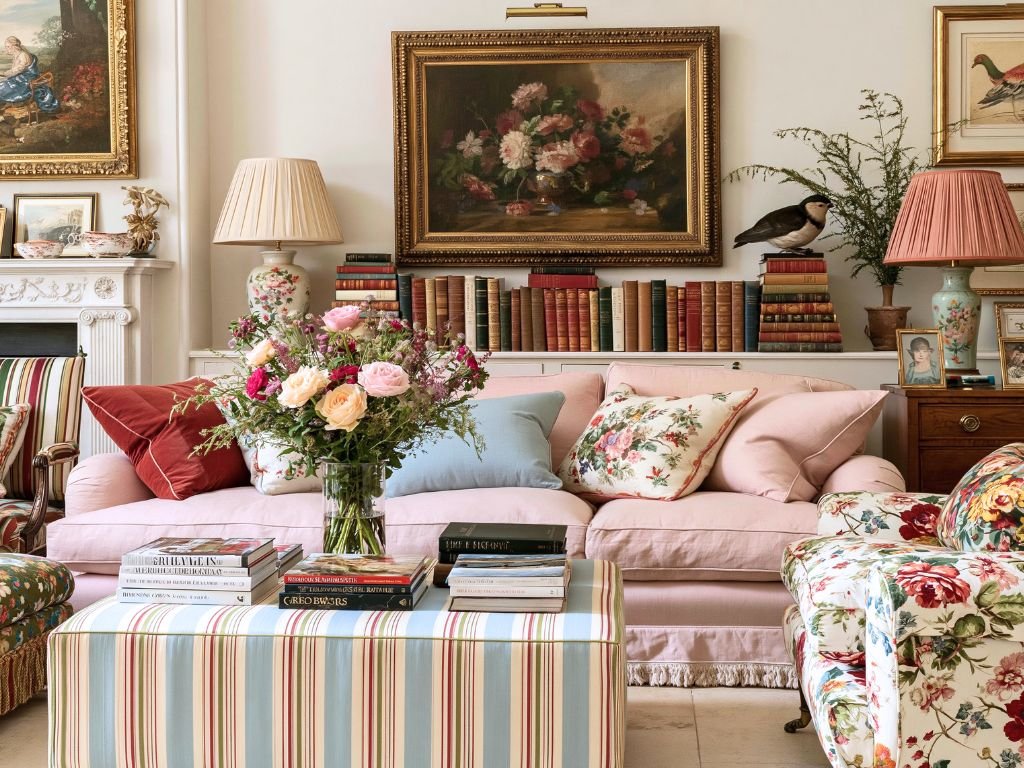
Although every English home is unique, the world’s most beautiful interiors share a number of timeless principles. Rather than following strict decorating rules, they embrace balance, comfort, craftsmanship, and the quiet beauty of collected living.
These ten characteristics define the essence of modern English style interior design and explain why it continues to inspire homeowners around the world.
1. Layered Rather Than Perfectly Matched
One of the easiest ways to recognize an authentic English interior is by its sense of layering.
Instead of purchasing matching furniture collections, every room feels assembled over time. Antique pieces sit comfortably beside contemporary designs, while textiles, books, ceramics, and artwork gradually build depth and personality.
Nothing appears overly coordinated, yet everything belongs together.
This effortless balance is what gives English homes their distinctive warmth. Rather than asking whether a piece matches the room, ask whether it contributes to the story you want your home to tell.
2. Timeless Colour Palettes
Modern English interiors rarely rely on stark white walls or highly saturated colours.
Instead, they embrace soft, natural palettes inspired by the surrounding landscape.
Think sage green, warm cream, dusty blue, stone, ochre, olive, muted burgundy, and faded rose. These colours create calm, inviting spaces that remain elegant throughout every season.
Instead of following colour trends, English interiors celebrate shades that feel familiar, comforting, and connected to nature.
3. Natural Materials That Age Beautifully
Rather than choosing materials that remain flawless forever, English interiors celebrate those that become more beautiful with age.
Solid oak develops character. Brass acquires a gentle patina. Linen softens after every wash. Natural stone reveals subtle imperfections that make each piece unique.
These materials introduce authenticity into a space and allow the home to evolve gracefully over time.
4. Comfortable Furniture Comes First
Beauty should never come at the expense of comfort.
Deep sofas with relaxed cushions, upholstered armchairs, generous ottomans, and inviting reading corners encourage people to slow down and spend time together.
English interiors are designed to be lived in, not simply admired. The goal is to create rooms where guests naturally settle in, conversations linger, and everyday rituals become part of the home’s atmosphere.
5. Fresh Flowers Are Part of Everyday Living
Flowers are not reserved for special occasions.
In English homes, they become part of everyday life.
Whether gathered from the garden or purchased at a local flower market, seasonal arrangements introduce movement, colour, fragrance, and softness into every room.
Displayed in antique ceramics, simple pitchers, or vintage glass vases, flowers instantly make a space feel more welcoming and alive.
Sometimes the simplest gesture transforms an entire room.
6. Artwork That Feels Collected
Artwork plays a central role within modern English interiors.
Rather than filling empty walls, paintings establish atmosphere, create visual balance, and quietly tell the story of the home.
Romantic landscapes, botanical studies, floral compositions, still lifes, equestrian scenes, and classical portraits naturally complement both antique and contemporary furnishings.
The most memorable homes rarely display artwork because it matches the sofa.
They choose pieces that continue to resonate year after year.
7. Books That Reflect a Life Well Lived
Books are rarely hidden inside cabinets.
Instead, they become part of the decoration itself.
Displayed on coffee tables, layered across bookshelves, or stacked beside a favourite chair, they introduce colour, texture, and personality while quietly reflecting the interests of the people who live there.
A home filled with books always feels more personal.
8. Soft, Layered Lighting
Lighting shapes the atmosphere of an English interior more than almost any other element.
Natural morning light, warm table lamps, pleated lampshades, brass sconces, picture lights, and candlelight work together to create depth throughout the day.
Instead of relying on a single overhead fixture, multiple light sources produce a gentle glow that makes every room feel warm and inviting.
Good lighting is never noticed.
It is simply felt.
9. Mixing Old and New
Modern English style is never about recreating the past.
It is about allowing different periods to coexist naturally.
An antique console beneath contemporary artwork. A modern sofa beside a Georgian chest. Vintage ceramics displayed on minimalist shelving.
This thoughtful contrast prevents interiors from feeling either outdated or overly modern.
Character is often found where different eras meet.
10. A Home That Continues to Evolve
Perhaps the defining characteristic of every beautiful English home is that it never feels finished.
Each year brings another meaningful addition.
A painting discovered while travelling. A handcrafted ceramic bowl. A vintage chair found at an antique market. Fresh flowers gathered on a Monday morning.
Rather than chasing perfection, these interiors celebrate the quiet beauty of collecting thoughtfully over time.
Because truly timeless homes are never decorated all at once.
They are collected.
Colour Palette
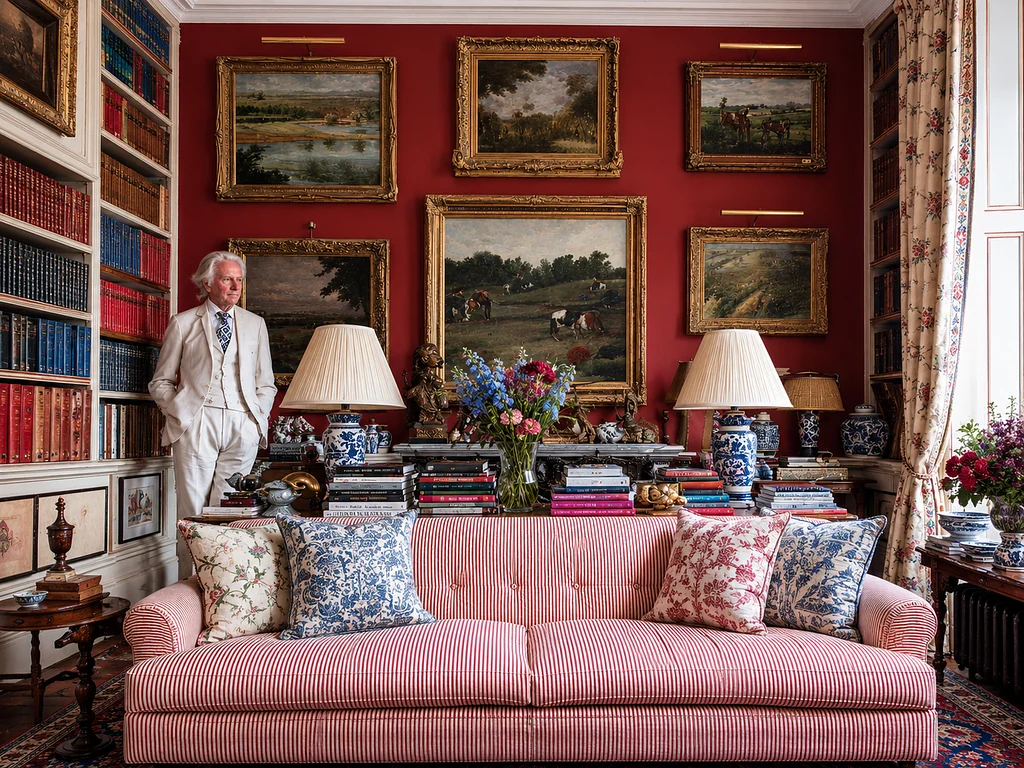
One of the defining features of modern English style interior design is its timeless approach to colour. Rather than following seasonal trends, English interiors draw inspiration from the landscape, historic architecture, and the subtle tones found in nature.
The goal is to create rooms that feel calm, layered, and welcoming—spaces that remain beautiful year after year.
Unlike minimalist interiors that often rely on bright white walls, modern English homes embrace warmer neutrals and colours with depth. Every shade contributes to the atmosphere without competing for attention.
The Foundation: Warm Neutrals
Every successful English interior begins with a soft, understated foundation.
Colours such as warm ivory, stone, oatmeal, taupe, mushroom, and gentle greige create an elegant backdrop that allows furniture, artwork, and textiles to become the focal points of the room.
These colours also reflect natural light beautifully, making spaces feel warm rather than sterile.
Nature-Inspired Greens
Green has long been associated with traditional English homes.
From the gardens surrounding countryside estates to the rolling hills beyond their windows, green naturally finds its way indoors.
Popular shades include:
Sage Green
Olive Green
Moss Green
Eucalyptus
Soft Forest Green
These colours pair effortlessly with natural oak, brass, antique furniture, and botanical artwork.
Earthy Accent Colours
Modern English interiors introduce richer colours carefully rather than using them everywhere.
Deep burgundy, ochre, dusty terracotta, muted navy, faded blue, and soft blush create visual interest while maintaining an elegant atmosphere.
These colours often appear through textiles, ceramics, upholstery, books, and artwork rather than large painted surfaces.
The result feels layered instead of overwhelming.
Decorating With Contrast
One of the greatest strengths of English interiors is their ability to balance light and dark.
A soft cream wall may sit beside a dark antique cabinet.
Warm oak flooring contrasts beautifully with painted furniture.
Deep burgundy cushions rest comfortably against neutral linen upholstery.
This gentle contrast creates visual richness without sacrificing harmony.
Bringing Colour Through Artwork
Artwork is one of the easiest ways to introduce colour into an English-inspired home.
Rather than relying on decorative accessories alone, a carefully chosen painting can establish the entire palette of a room.
Botanical studies introduce fresh greens.
Romantic landscapes bring soft blues and earthy browns.
Floral compositions add warmth through delicate pinks, creams, yellows, and rich reds.
Because artwork naturally combines multiple colours, it helps unify the entire space while adding personality and visual depth.
A Palette Designed to Last
Perhaps the greatest lesson of modern English interiors is that colour should never feel temporary.
Instead of chasing yearly decorating trends, invest in shades inspired by nature and timeless architecture.
These colours age gracefully, adapt effortlessly to changing seasons, and allow your home to evolve over time.
The result is an interior that feels collected, welcoming, and beautifully lived in—qualities that never go out of style.
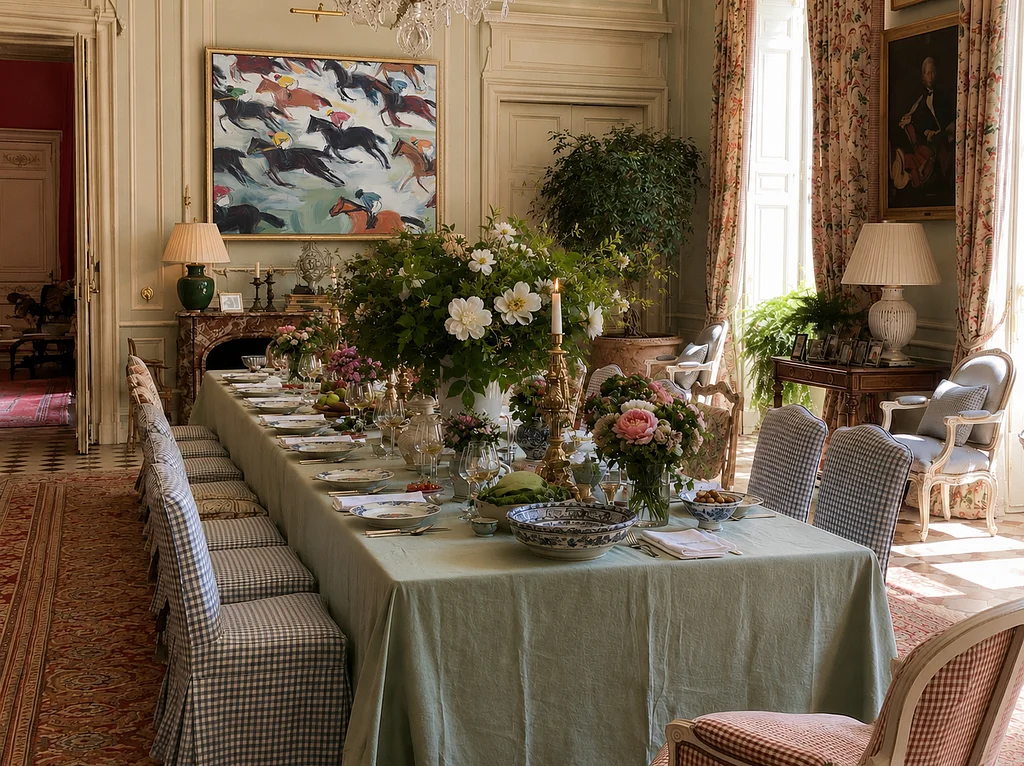
Furniture
Furniture is the foundation of every modern English interior. Rather than filling a room with matching collections, the goal is to create spaces that feel layered, comfortable, and naturally evolved over time.
Each piece should contribute character while remaining functional enough to be enjoyed every day.
Modern English homes prioritize craftsmanship over trends, choosing furniture that ages beautifully and continues to feel relevant for decades.
Invest in Timeless Pieces
A beautifully made sofa, a solid oak dining table, or an antique chest can become lifelong companions within the home.
Rather than replacing furniture every few years, English interiors embrace investment pieces that acquire character through daily use.
Small imperfections become part of their charm, telling the story of a home that has been genuinely lived in.
Mix Different Periods
One of the defining characteristics of modern English interiors is their effortless combination of different eras.
An antique Georgian chest may sit beside a contemporary linen sofa.
A modern coffee table may be paired with vintage armchairs.
Traditional furniture provides history, while contemporary pieces introduce freshness and practicality.
The balance between old and new creates interiors that feel timeless rather than dated.
Choose Comfortable Seating
Comfort is never sacrificed for appearance.
Deep sofas with generous cushions, upholstered armchairs, window seats, ottomans, and inviting reading chairs encourage people to relax and spend time together.
Rooms should feel welcoming from the moment someone walks through the door.
Furniture should invite conversation rather than simply fill empty space.
Celebrate Natural Wood
Wood remains one of the defining materials within English interiors.
Oak, walnut, elm, mahogany, and painted pine all contribute warmth and texture.
Rather than trying to match every wood tone perfectly, English homes embrace subtle variation.
The result feels collected and authentic instead of overly coordinated.
Antique Furniture Adds Character
Not every piece needs to be antique, but introducing one or two heritage pieces immediately gives a room a sense of permanence.
A vintage writing desk.
An old console beneath a painting.
A carved side table beside a modern armchair.
These elements create the impression that the home has evolved over many years rather than being decorated all at once.
Allow Rooms to Breathe
Beautiful English interiors never feel overcrowded.
Each piece of furniture has enough surrounding space to be appreciated.
Rather than filling every corner, thoughtful restraint creates elegance.
Negative space allows beautiful craftsmanship, artwork, and collected objects to become the focus.
Think Beyond Function
Furniture should not simply solve practical needs—it should help shape the atmosphere of the room.
A beautifully weathered cabinet introduces texture.
A classic Windsor chair adds heritage.
A skirted sofa softens the architecture.
A well-proportioned console becomes the perfect stage for flowers, books, lamps, and artwork.
Every piece contributes to the home’s story.
Building a Home That Lasts
The secret to modern English furniture is patience.
Rather than furnishing an entire room in a single weekend, allow your home to evolve naturally.
Collect pieces that genuinely speak to you.
Choose craftsmanship over quantity.
Mix history with contemporary comfort.
Over time, these carefully selected furnishings create interiors that feel deeply personal, effortlessly elegant, and beautifully timeless.
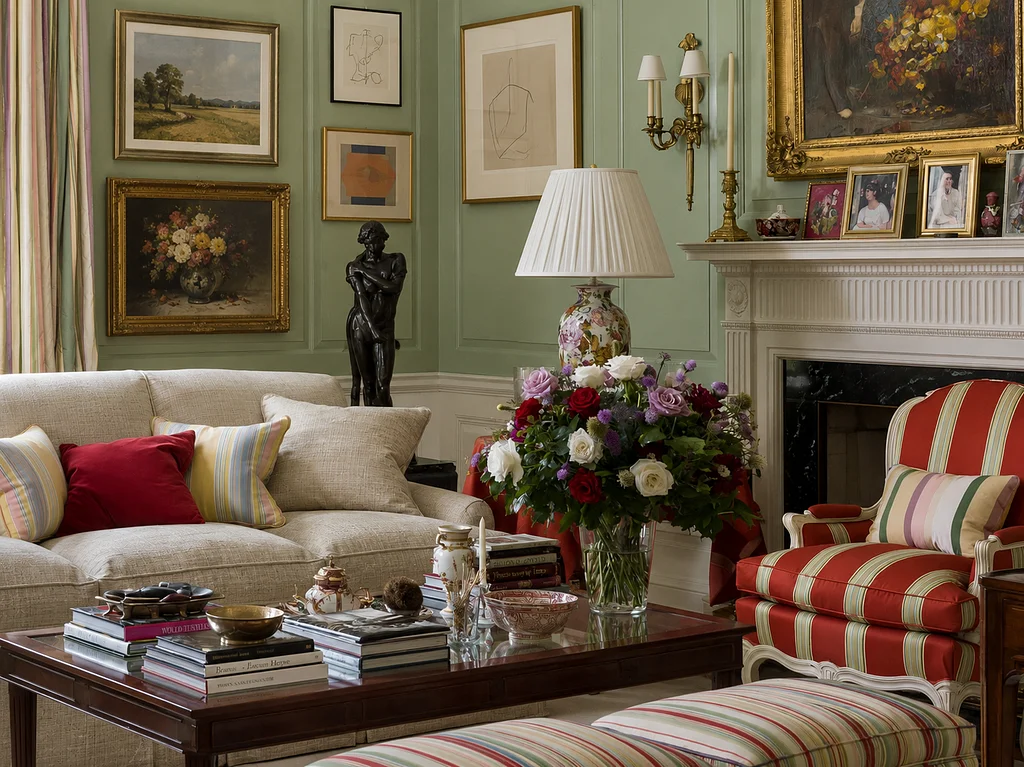
Fabrics
In modern English style interior design, fabrics do far more than soften a room—they create warmth, movement, and a sense of quiet luxury.
Rather than relying on perfectly coordinated textiles, English interiors layer different materials, patterns, and textures to achieve an atmosphere that feels effortless, inviting, and collected over time.
The beauty lies in subtle contrast rather than perfect uniformity.
Linen: The Foundation of Relaxed Elegance
Linen is perhaps the fabric most closely associated with timeless English interiors.
Its naturally textured surface, soft drape, and ability to age beautifully make it ideal for curtains, upholstery, bedding, and table linens.
Rather than appearing overly formal, linen introduces an understated elegance that becomes even more beautiful with everyday use.
Wrinkles are not imperfections—they are part of its character.
Wool Brings Warmth Throughout the Seasons
From upholstered armchairs to woven blankets, wool introduces comfort and depth into the home.
Its natural texture softens a room while adding visual richness, particularly during the colder months.
Layering different wool textiles creates interiors that feel welcoming without becoming heavy.
Mixing Patterns With Confidence
One of the defining characteristics of English interiors is their confident use of pattern.
Florals sit beside subtle stripes.
Plaids complement botanical prints.
Checks pair effortlessly with textured solids.
The secret is not to match patterns exactly, but to allow them to share a similar colour palette while varying their scale.
This creates rooms that feel dynamic yet harmonious.
Velvet Adds Quiet Sophistication
Used thoughtfully, velvet introduces richness without overwhelming a space.
Whether on a single armchair, decorative cushion, or upholstered bench, velvet reflects light beautifully and creates subtle contrast against natural linens and woven textures.
Deep olive, burgundy, navy, and warm ochre are particularly timeless choices.
Natural Fibres Always Feel Authentic
Modern English interiors favour natural materials over synthetic alternatives.
Cotton, linen, wool, leather, jute, and silk each contribute their own texture while ageing gracefully over time.
Together they create interiors that feel tactile, comfortable, and genuinely lived in.
Layering Creates Character
Beautiful English interiors rarely rely on a single fabric.
Instead, textures are thoughtfully layered throughout the room.
A linen sofa paired with velvet cushions.
A wool throw resting over an upholstered chair.
Natural woven baskets beside polished wood furniture.
Patterned curtains framing traditional windows.
Every layer contributes warmth while preventing the room from feeling flat or overly styled.
Let Textiles Tell a Story
The most memorable homes are filled with fabrics that feel personal rather than fashionable.
A handmade quilt passed through generations.
Vintage embroidered cushions.
A striped linen tablecloth softened by years of family gatherings.
These pieces introduce history into the home and remind us that beauty often comes from the objects we continue to use and cherish.
Like every element of modern English design, fabrics should feel collected rather than coordinated.
Their purpose is not simply to decorate a room, but to create an atmosphere of comfort, elegance, and timeless living.
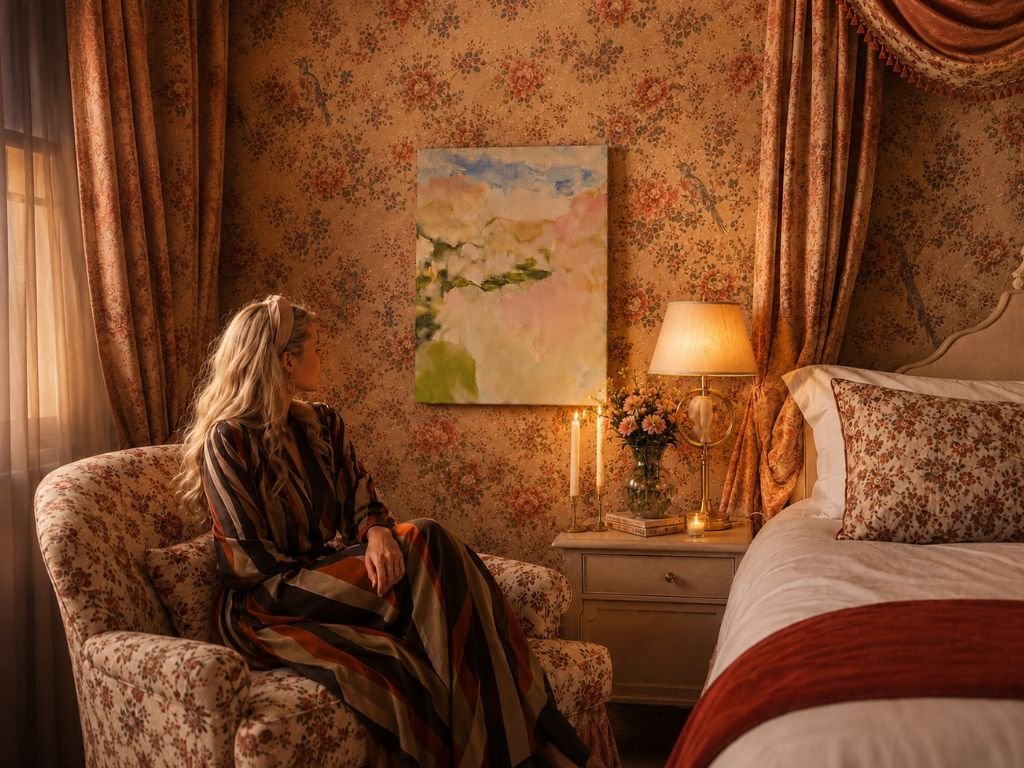
Lighting
Lighting is often the element that transforms a beautifully decorated room into one that feels truly unforgettable.
In modern English style interior design, light is never treated as an afterthought. Instead, it is layered carefully throughout the home to create atmosphere, highlight architectural details, and bring warmth to every corner.
The goal is not simply to illuminate a room, but to shape the way it feels.
Embrace Natural Light
English interiors celebrate natural light in all its forms.
Morning sunlight filtering through linen curtains.
Soft afternoon light illuminating a reading chair.
The gentle glow of an overcast day reflecting across painted walls.
Rather than blocking natural light with heavy window treatments, modern English homes allow it to move freely throughout the space, creating constantly changing layers of shadow and texture.
Natural light also reveals the richness of wood, textiles, and artwork in a way artificial lighting never can.
Layer Multiple Light Sources
One overhead fixture is rarely enough.
Instead, English interiors combine several light sources at different heights to create depth and intimacy.
A table lamp beside the sofa.
A floor lamp next to a reading chair.
Wall sconces framing a fireplace.
Picture lights above artwork.
Candles placed throughout the room.
Each layer contributes to a softer, more inviting atmosphere that changes naturally from day to evening.
The Beauty of Table Lamps
Few decorative elements feel more quintessentially English than a beautifully placed table lamp.
Whether positioned on a console, side table, or bedside cabinet, lamps create pools of warm light that make a room feel intimate and welcoming.
Pleated fabric lampshades remain a timeless choice, introducing softness while gently diffusing the light.
Brass, ceramic, painted wood, and antique finishes all complement the modern English aesthetic beautifully.
Picture Lights Elevate Artwork
Lighting artwork correctly can completely transform how it is experienced.
A discreet picture light positioned above a landscape, botanical painting, or still life enhances texture, enriches colour, and draws the eye naturally toward the piece.
Rather than becoming the focal point itself, the lighting quietly celebrates the artwork while adding another layer of sophistication to the room.
Candlelight Creates Atmosphere
Perhaps no lighting feels more timeless than candlelight.
Whether placed on a dining table, fireplace mantel, or console, candles introduce warmth, movement, and a quiet sense of ritual.
They soften the room, creating an atmosphere that encourages conversation, relaxation, and slower evenings at home.
Even unlit brass candlesticks contribute sculptural beauty throughout the day.
Avoid Harsh Overhead Lighting
One of the most common mistakes in modern interiors is relying exclusively on bright ceiling lights.
Harsh lighting can flatten textures, diminish the richness of colour, and make even beautifully designed spaces feel cold.
Instead, use overhead lighting sparingly and allow table lamps, wall sconces, and natural light to become the primary sources of illumination whenever possible.
The result is softer, more layered, and infinitely more inviting.
Let Light Highlight Texture
Lighting is also essential for revealing texture.
The weave of linen.
The grain of oak.
The brushstrokes of a painting.
The gentle patina of antique brass.
As light changes throughout the day, these details become more noticeable, adding depth and character that cannot be achieved through decoration alone.
Creating Atmosphere That Lasts
The most memorable English interiors are remembered less for their brightness than for their atmosphere.
A softly lit library.
A glowing table lamp beside an armchair.
Evening candlelight reflecting across polished wood.
Morning sun resting gently on a floral arrangement.
Lighting has the remarkable ability to make a house feel calm, welcoming, and deeply personal.
When layered thoughtfully, it becomes one of the most powerful design tools in creating a timeless home.
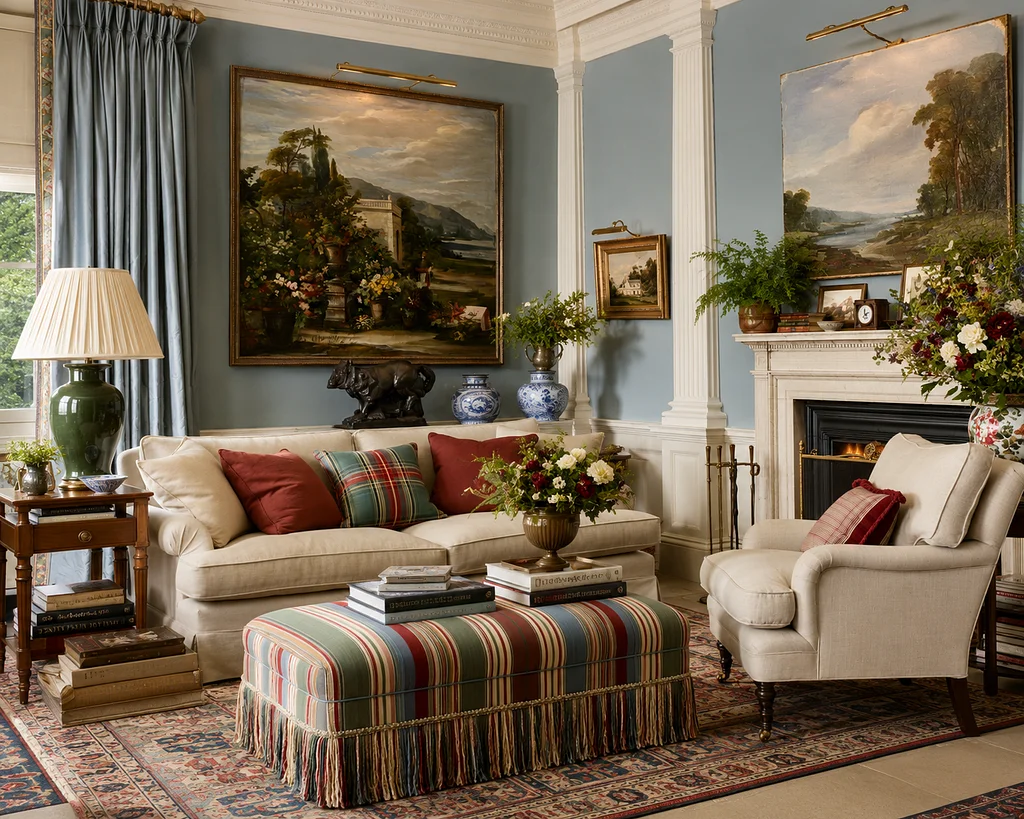
Wall Art
Artwork is often the final layer that transforms a beautifully furnished room into one that feels complete.
In modern English style interior design, wall art is never chosen simply to fill an empty space. Instead, it becomes part of the home’s story, introducing character, atmosphere, and a sense of permanence that evolves alongside the people who live there.
The most memorable English interiors do not decorate around artwork.
They allow artwork to define the room.
Choose Timeless Subjects
The artwork found in traditional English homes rarely follows seasonal trends.
Instead, it celebrates subjects that have remained beautiful for centuries.
Romantic landscapes.
Floral still lifes.
Country houses.
Seascapes.
Classical portraits.
These timeless themes introduce warmth while complementing both antique furniture and contemporary interiors.
The result feels elegant rather than fashionable.
Think Beyond Colour Matching
One of the biggest decorating mistakes is choosing artwork simply because it matches the sofa or curtains.
Beautiful interiors are created through harmony, not repetition.
Instead of searching for the exact colour palette, choose artwork that contributes atmosphere, emotion, and visual depth.
A painting should feel as though it belongs naturally within the room—even if every colour isn’t repeated elsewhere.
Size Matters
Scale is just as important as the artwork itself.
A piece that is too small can disappear within a large room, while artwork that is too large may overwhelm the surrounding furniture.
As a general guideline, artwork displayed above a sofa, console, or bed should occupy approximately two-thirds of the width of the furniture beneath it.
This creates visual balance while allowing the artwork to become a natural focal point.
Create Depth Through Styling
Not every painting needs to be hung on the wall.
One of the defining characteristics of collected English interiors is the art of layering.
Lean a framed canvas on a fireplace mantel.
Place artwork on a console behind a ceramic vase.
Allow books, candlesticks, and seasonal flowers to overlap slightly with the frame.
This relaxed styling creates visual depth and gives the impression that the room has evolved naturally over time.
Gallery Walls Should Feel Personal
A gallery wall is most successful when it reflects personality rather than perfect symmetry.
Mix landscapes with botanical prints.
Pair antique frames with contemporary artwork.
Include different sizes while maintaining a consistent colour palette.
The goal is not perfection.
It is curiosity.
Each piece should invite the eye to discover something new.
Framing Makes a Difference
A carefully selected frame can completely transform how artwork is experienced.
Traditional English interiors often favour warm wood, antique gold, painted finishes, or elegant black frames depending on the architecture of the room.
Rather than competing with the artwork, the frame should quietly complement it and help connect it to the surrounding interior.
Let Artwork Become the Heart of the Room
Many people decorate first and choose artwork last.
English interiors often do the opposite.
A favourite painting becomes the starting point.
Its colours inspire the textiles.
Its atmosphere influences the lighting.
Its presence helps define the character of the entire room.
When artwork is treated as the emotional centre of a space, decorating becomes infinitely easier.
Collect, Don’t Decorate
Perhaps the greatest lesson English interiors teach us is that artwork should be collected slowly.
Choose pieces that continue to move you years after you first saw them.
Allow every painting to mark a memory, a journey, or a personal connection.
Over time, your walls become far more than decoration.
They become a visual diary of the life you’ve created.
At House of Sun Editions, every collection is designed with this philosophy in mind—creating timeless canvas prints inspired by English country houses, European landscapes, botanical arrangements, and the quiet beauty of collected living.
Because the most beautiful homes are not built around trends.
They are built around stories.
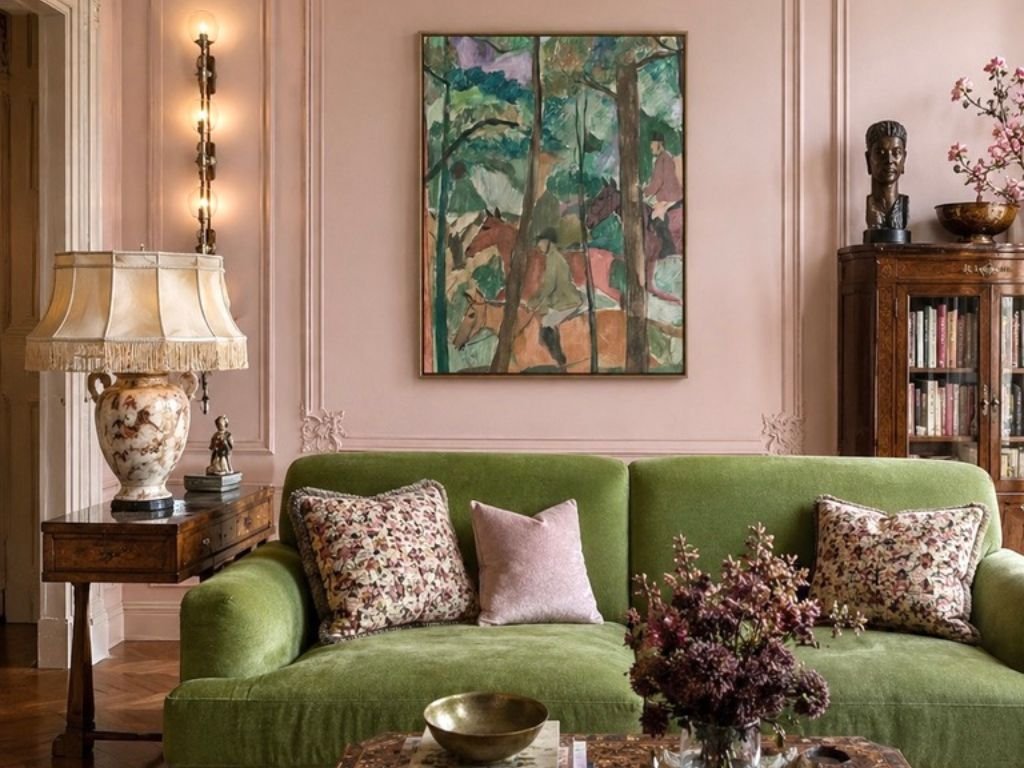
How to Mix Traditional and Contemporary Pieces
One of the greatest misconceptions about modern English style interior design is that every room must be filled with antiques. In reality, the most successful English interiors are defined by balance rather than historical accuracy.
They combine the elegance of traditional craftsmanship with the simplicity of contemporary living, creating spaces that feel timeless instead of tied to a particular era.
The secret is not choosing between old and new.
It is learning how to let them coexist beautifully.
Begin With One Statement Piece
Every room benefits from an anchor.
This could be an antique oak cabinet, a beautifully upholstered sofa, a vintage writing desk, or a large landscape painting.
Once the focal point has been established, contemporary pieces can be introduced around it to create contrast without overwhelming the space.
A single heritage piece often gives an entire room a sense of permanence.
Balance Ornament With Simplicity
Traditional furniture often features rich textures, carved details, and elegant craftsmanship.
Modern furniture, on the other hand, tends to embrace cleaner silhouettes.
Combining the two creates visual harmony.
For example, a streamlined linen sofa can sit comfortably beside an antique side table, while a contemporary coffee table may be softened by vintage ceramics and floral arrangements.
Each style allows the other to shine.
Mix Materials Rather Than Styles
Instead of focusing on whether furniture belongs to the same period, pay attention to materials.
Natural oak.
Antique brass.
Linen.
Marble.
Leather.
Wool.
Stone.
These timeless materials naturally complement one another regardless of their age, helping the room feel cohesive even when the furniture spans different centuries.
Let Artwork Connect the Room
Artwork often becomes the element that brings traditional and contemporary pieces together.
A timeless botanical painting above a modern console.
A romantic landscape paired with minimalist lighting.
An equestrian canvas displayed above a clean-lined fireplace.
Because artwork carries both colour and atmosphere, it naturally bridges different styles and creates a sense of continuity throughout the space.
Avoid Decorating by Decade
One of the quickest ways to make a room feel artificial is by decorating exclusively from one period.
A room filled entirely with antiques may feel like a museum.
A room furnished only with contemporary pieces can sometimes lack warmth and personality.
The most inviting interiors combine different generations of design, allowing each object to contribute its own story.
This layered approach creates authenticity rather than perfection.
Introduce Contrast Through Accessories
Smaller decorative objects provide another opportunity to mix old and new.
A handcrafted ceramic vase resting on a contemporary shelf.
Vintage books displayed beside modern sculptures.
Traditional brass candlesticks paired with minimalist table lamps.
Fresh flowers arranged inside antique pottery.
These thoughtful contrasts prevent a room from feeling predictable while maintaining a refined sense of balance.
Give Every Piece Room to Breathe
Mixing styles successfully requires restraint.
Not every corner needs to be filled.
Allow furniture, artwork, and decorative objects enough space to be appreciated individually.
Negative space creates elegance and allows carefully chosen pieces to become the true focus of the room.
A Home That Feels Effortlessly Collected
The beauty of modern English interiors comes from their ability to evolve naturally over time.
Rather than purchasing an entire room at once, collect pieces gradually.
Choose objects that reflect your personality.
Invest in craftsmanship.
Mix history with modern comfort.
The result is a home that feels authentic, welcoming, and impossible to replicate—because it tells a story that belongs entirely to you.
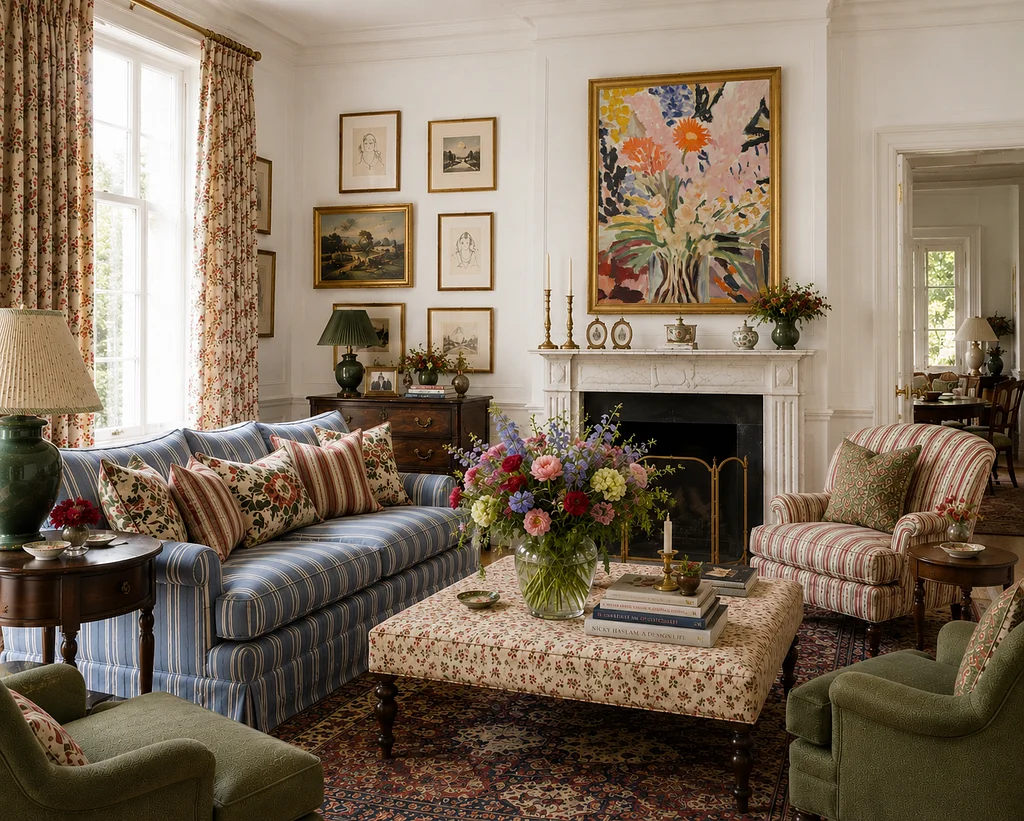
How to Decorate a Living Room in Modern English Style
The living room is often considered the heart of an English home.
It is where conversations unfold, books are discovered, flowers are arranged, and everyday rituals quietly shape the atmosphere of the house.
Rather than striving for perfection, a modern English living room should feel welcoming, layered, and comfortably lived in.
The goal is to create a space where every element contributes to a sense of warmth and timeless elegance.
Start With Comfortable Seating
A beautiful living room always begins with comfort.
Choose a generously proportioned sofa upholstered in natural linen, cotton, or velvet, complemented by one or two comfortable armchairs.
Rather than arranging furniture around the television, arrange it to encourage conversation.
A well-balanced seating area naturally invites people to gather, linger, and enjoy the space.
Anchor the Room With a Rug
A carefully chosen rug helps define the room while adding softness and texture.
Traditional Persian rugs, antique-inspired designs, natural wool rugs, or understated woven textures all work beautifully within modern English interiors.
The rug should be large enough for the main furniture pieces to feel visually connected.
A room instantly feels more harmonious when its furniture shares a common foundation.
Create a Thoughtful Coffee Table
Coffee tables offer an opportunity to introduce personality into the room.
Instead of filling the surface completely, create simple, balanced arrangements.
A stack of beautiful design books.
A ceramic bowl.
Fresh flowers.
Brass candlesticks.
A small decorative box.
Natural materials and varying heights create interest without appearing cluttered.
Introduce Layers Through Textiles
Soft furnishings add warmth while making the room feel more inviting.
Layer linen cushions with subtle floral patterns, classic stripes, or textured woven fabrics.
Add a wool throw draped casually over an armchair.
Mix textures rather than identical patterns, allowing every element to contribute quietly to the overall atmosphere.
Let Artwork Become the Focal Point
Every memorable living room benefits from a strong visual anchor.
Large-scale artwork positioned above the fireplace, sofa, or console instantly establishes the room’s character.
Romantic landscapes, botanical paintings, floral still lifes, and timeless European-inspired compositions naturally complement modern English interiors.
Rather than choosing artwork to match the room, allow the artwork to inspire it.
The colours, mood, and atmosphere of the painting can guide the selection of textiles, decorative objects, and accessories throughout the space.
Decorate With Objects That Tell a Story
Collected homes never rely solely on decoration purchased at the same time.
Instead, they combine meaningful objects gathered over many years.
Books collected during travels.
Vintage ceramics.
Family heirlooms.
Antique brass candlesticks.
Handmade pottery.
Fresh seasonal flowers.
Each object introduces another layer of personality, making the room feel authentic rather than styled.
Layer Lighting Throughout the Room
Lighting is essential for creating atmosphere.
Rather than relying exclusively on ceiling fixtures, combine table lamps, wall sconces, picture lights, and candlelight.
Soft, warm lighting highlights textures, creates intimacy, and transforms the living room throughout the day.
Morning light, afternoon shadows, and evening candlelight each reveal different qualities within the space.
Allow the Room to Evolve Naturally
Perhaps the greatest secret behind every beautiful English living room is patience.
Rather than trying to complete the room immediately, allow it to develop over time.
Introduce artwork that truly resonates with you.
Collect furniture slowly.
Replace decorative accessories as your tastes evolve.
Add fresh flowers every week.
The most memorable interiors are never designed in a single weekend.
They become more beautiful with every passing year.
A modern English living room is not simply a place to sit.
It becomes a space where stories are shared, traditions are created, and everyday moments quietly become lasting memories.
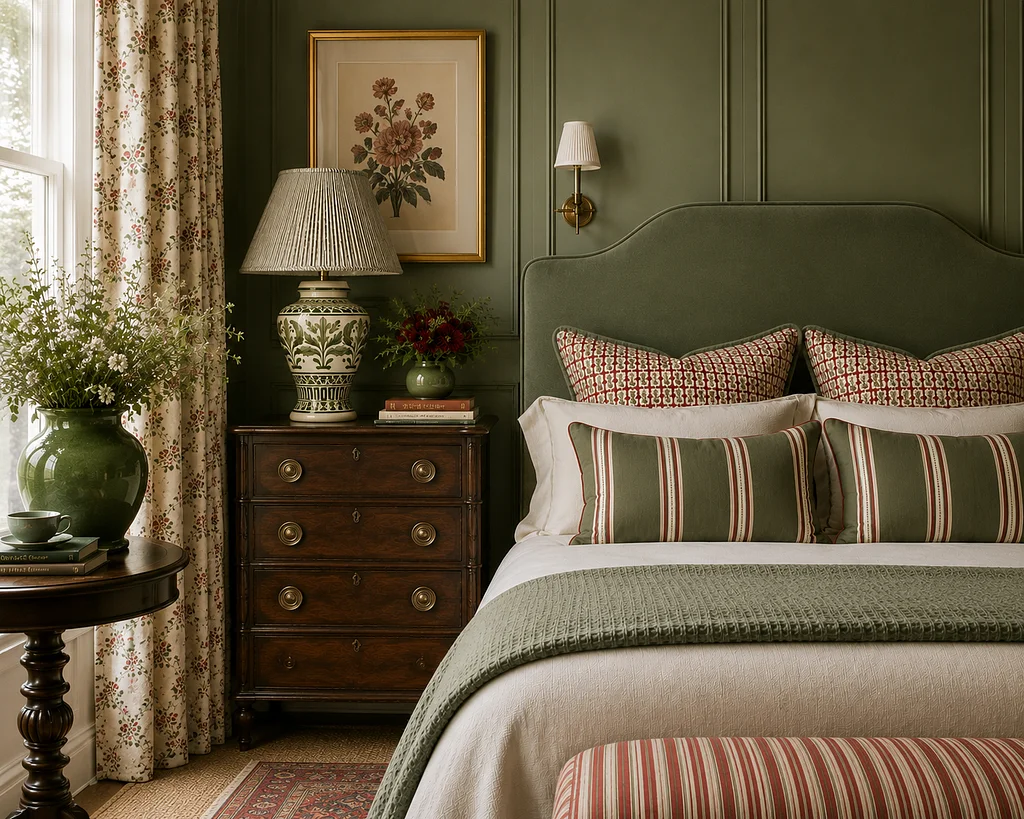
How to Decorate a Bedroom in Modern English Style
A bedroom should be more than a place to sleep.
In modern English style interior design, it becomes a private retreat—a room designed for quiet mornings, slow evenings, and moments of rest surrounded by timeless beauty.
Rather than filling the space with unnecessary decoration, English bedrooms focus on comfort, craftsmanship, and an atmosphere that feels calm throughout every season.
Every element should encourage relaxation while reflecting the personality of the people who live there.
Begin With a Calm Colour Palette
Soft colours create the foundation of a peaceful bedroom.
Warm ivory, stone, sage green, dusty blue, muted olive, soft taupe, and gentle blush all contribute to a space that feels soothing without becoming monotonous.
Rather than using dramatic contrasts, allow subtle tonal variations to create depth.
The result is a room that feels elegant from morning until evening.
Invest in Beautiful Bedding
The bed naturally becomes the focal point of the room.
Choose high-quality linen or cotton bedding in timeless neutral tones and layer different textures to create an inviting atmosphere.
Soft quilts, lightweight throws, and carefully selected cushions introduce warmth while maintaining a relaxed appearance.
The bed should feel effortlessly luxurious rather than overly styled.
Incorporate Natural Materials
Natural materials help create a sense of permanence and authenticity.
Solid wood bedside tables.
Linen curtains.
Wool blankets.
Handwoven baskets.
Ceramic lamps.
These materials age gracefully and add richness through texture rather than excessive ornamentation.
Add Soft Lighting
Bedrooms benefit from gentle, layered lighting rather than bright overhead fixtures.
Table lamps with pleated fabric shades create a warm glow beside the bed.
Wall sconces provide practical reading light while freeing space on bedside tables.
Candles introduce an intimate atmosphere during the evening.
Lighting should help the room transition naturally throughout the day, supporting both relaxation and comfort.
Let Artwork Create Atmosphere
Artwork plays a quiet but important role within an English bedroom.
Rather than selecting bold statement pieces, choose paintings that evoke calm and timelessness.
Soft landscapes.
Botanical studies.
Floral arrangements.
Seascapes.
Gentle still lifes.
Positioned above the bed or opposite the entrance, artwork helps establish the emotional tone of the room while introducing colour and visual interest without overwhelming the space.
Decorate With Meaningful Objects
Beautiful bedrooms avoid unnecessary clutter.
Instead, they display only a few carefully chosen objects that contribute warmth and personality.
A favourite book.
A ceramic vase with seasonal flowers.
An antique jewellery box.
A framed family photograph.
Fresh greenery gathered from the garden.
Each object should feel intentional rather than decorative for its own sake.
Balance Symmetry With Relaxed Styling
Symmetry creates a sense of calm within the bedroom.
Matching bedside tables and lamps establish visual order, while subtle variations in decorative objects prevent the space from feeling overly formal.
This balance between structure and softness is one of the defining characteristics of modern English interiors.
Create a Room That Ages Gracefully
Perhaps the greatest beauty of an English bedroom is that it becomes more personal over time.
The linen softens.
The books multiply.
Artwork gains sentimental value.
Flowers change with the seasons.
Rather than chasing trends, the room quietly evolves alongside the people who live there.
A beautifully designed bedroom should never feel like a showroom.
It should feel like the most peaceful room in the house—a place that welcomes both the beginning and the end of every day with warmth, comfort, and timeless elegance.
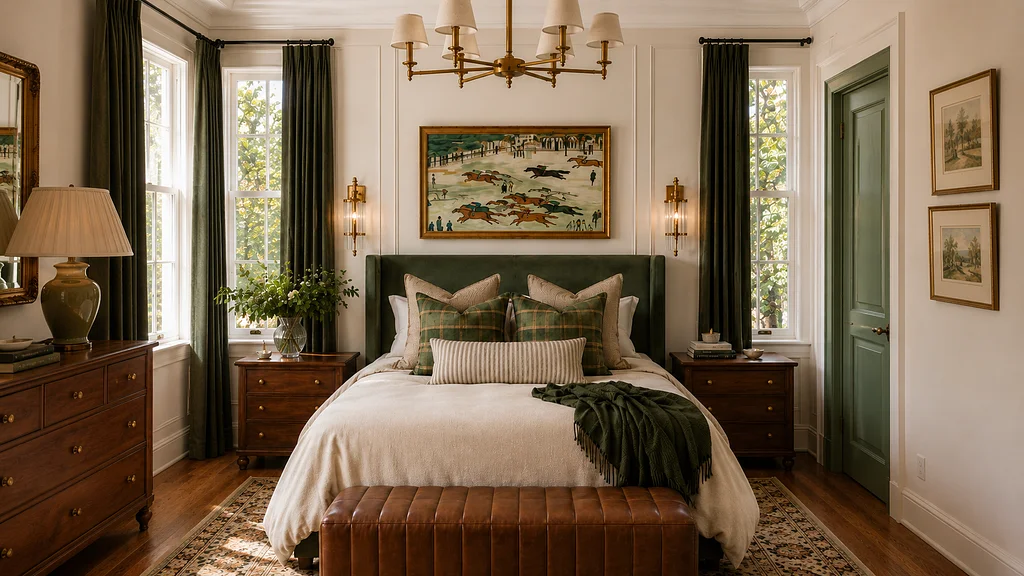
Common Mistakes to Avoid in Modern English Style Interior Design
Modern English interiors are admired for their effortless elegance, yet achieving this look is often less about adding more and more about making thoughtful choices.
Many homeowners unintentionally create spaces that feel staged, overly themed, or disconnected from the timeless character that defines English design.
Avoiding these common mistakes will help create a home that feels authentic, welcoming, and beautifully collected.
1. Buying Everything at Once
Perhaps the biggest mistake is trying to complete an entire room in a single shopping trip.
Authentic English interiors evolve gradually over time.
Furniture, artwork, books, textiles, and decorative objects are collected over years rather than purchased as matching sets.
Allow your home to grow naturally, adding pieces that genuinely resonate with you instead of decorating under pressure.
2. Matching Everything Perfectly
Perfect coordination often removes personality from a room.
Matching sofas, tables, lamps, cushions, and artwork can make an interior feel more like a showroom than a home.
Instead, embrace thoughtful variation.
Different wood tones.
Mixed textiles.
Vintage alongside contemporary.
The beauty of English interiors lies in their quiet balance rather than strict uniformity.
3. Choosing Trend-Driven Furniture
Furniture trends change quickly.
Timeless craftsmanship does not.
Rather than following short-lived styles, invest in pieces that will remain beautiful for decades.
Solid wood, natural upholstery, and classic silhouettes provide a lasting foundation that can evolve with changing accessories and artwork.
4. Forgetting About Comfort
A room can be visually beautiful while feeling uncomfortable to live in.
English interiors never sacrifice comfort for appearance.
Deep seating, soft lighting, natural fabrics, and inviting layouts encourage people to spend time together.
If a room feels welcoming, it is already succeeding.
5. Using Too Much Overhead Lighting
Bright ceiling lights often flatten textures and remove the warmth that defines English interiors.
Instead, layer multiple light sources throughout the room.
Table lamps.
Wall sconces.
Picture lights.
Candles.
Natural daylight.
Atmosphere is created through gentle layers of light rather than brightness alone.
6. Choosing Artwork as an Afterthought
Artwork should never be the final decorative accessory.
It should help define the character of the room.
Rather than choosing paintings simply because they match a colour palette, select artwork that evokes emotion, tells a story, and contributes lasting atmosphere.
Timeless artwork becomes more meaningful every year.
7. Ignoring Natural Materials
Synthetic finishes often make interiors feel temporary.
Natural wood, linen, wool, stone, leather, brass, and ceramics introduce warmth while developing beautiful character over time.
These materials create depth that cannot be replicated through imitation finishes.
8. Overdecorating Every Surface
Beautiful English homes know when to stop.
Leaving space around furniture, artwork, and decorative objects allows each piece to be appreciated individually.
Negative space is not emptiness.
It is an essential part of elegant design.
9. Following Trends Instead of Personal Taste
The most memorable homes reflect the people who live in them.
Rather than copying every new decorating trend, choose objects that genuinely inspire you.
Collect books you love.
Display artwork that moves you.
Invest in furniture that feels meaningful.
Your personality should always be more visible than current fashion.
10. Forgetting That a Home Should Evolve
Perhaps the greatest mistake is believing a home must be finished.
The finest English interiors are never truly complete.
Each season introduces another layer.
Fresh flowers.
A new painting.
A treasured antique.
A handmade ceramic bowl.
A favourite book.
This gradual evolution creates homes that feel authentic, deeply personal, and impossible to replicate.
Modern English style is not about achieving perfection.
It is about creating a home that becomes richer, warmer, and more beautiful with every passing year.
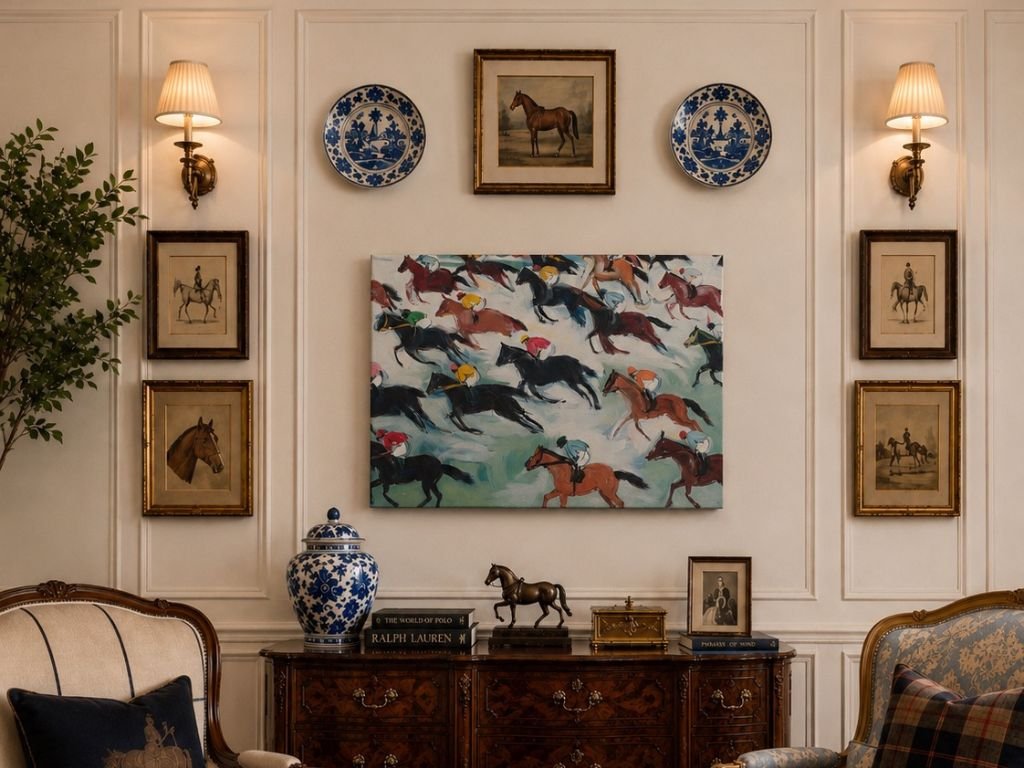
What is modern English style interior design?
Modern English style interior design blends the timeless elegance of traditional British homes with the comfort and simplicity of contemporary living. Rather than recreating historic interiors exactly, it combines classic craftsmanship, natural materials, layered textures, and carefully collected objects to create homes that feel warm, refined, and effortlessly lived in.
What is the difference between English Country style and Modern English style?
English Country style is inspired by traditional rural cottages and manor houses, often featuring floral fabrics, antique furniture, and a relaxed, rustic atmosphere.
Modern English style builds upon those same principles while introducing cleaner lines, contemporary furniture, and a more restrained approach to decoration. It feels lighter, more versatile, and perfectly suited to modern homes.
Can I create a modern English interior in a new-build home?
Absolutely.
Modern English style is defined by atmosphere rather than architecture.
Even contemporary homes can achieve the look through carefully selected furniture, natural materials, timeless artwork, layered lighting, and thoughtful styling.
Character is created through decoration, not just the age of the building.
Which colours work best for a modern English interior?
Nature provides the perfect palette.
Popular colours include sage green, warm ivory, stone, dusty blue, olive, soft taupe, burgundy, ochre, muted pink, and natural wood tones.
These colours create calm, elegant spaces that remain timeless throughout every season.
What type of furniture suits this style?
Choose furniture that prioritises craftsmanship, comfort, and longevity.
Classic linen sofas, antique wooden cabinets, Windsor chairs, upholstered armchairs, solid oak dining tables, and vintage chests all complement modern English interiors beautifully.
Rather than matching every piece, allow furniture from different periods to coexist naturally.
What artwork works best in a modern English home?
Timeless subjects are always the strongest choice.
Landscape paintings.
Botanical studies.
Floral still lifes.
Equestrian artwork.
Seascapes.
Traditional portraits.
Artwork should contribute atmosphere and personality rather than simply matching the room’s colour palette.
Can I mix antique and contemporary furniture?
Yes—and you should.
One of the defining characteristics of modern English interiors is the thoughtful combination of old and new.
A contemporary sofa beside an antique cabinet or a modern lamp resting on a vintage console creates contrast while making the room feel collected instead of overly decorated.
How can I make my home feel more collected?
Collect slowly.
Choose meaningful objects.
Display books you genuinely love.
Bring home flowers regularly.
Invest in artwork that resonates with you.
Allow your interiors to evolve naturally rather than trying to complete every room immediately.
The most beautiful homes are built over time.
Is modern English style expensive?
Not necessarily.
While quality furniture is always a worthwhile investment, creating an English-inspired home is more about thoughtful collecting than purchasing luxury items.
Vintage markets, antique shops, handmade ceramics, second-hand books, and carefully chosen artwork all contribute to the look without requiring a large budget.
Is modern English style going out of fashion?
Quite the opposite.
Unlike trend-driven decorating styles, modern English interiors are built upon timeless design principles that have remained relevant for centuries.
Their focus on craftsmanship, comfort, and meaningful collecting ensures they continue to feel elegant regardless of changing fashions.
How important is lighting in an English interior?
Lighting is essential.
Layering natural daylight, table lamps, wall sconces, picture lights, and candles creates the warm atmosphere that defines English interiors.
Rather than relying on bright overhead lighting, English homes favour softer illumination that highlights texture, artwork, and architectural details.
How do I choose the right wall art?
Begin by choosing artwork you genuinely connect with rather than pieces selected purely for their colours.
Large-scale paintings above a sofa or fireplace create a strong focal point, while botanical prints, landscapes, and floral compositions naturally complement the timeless character of modern English interiors.
The best artwork tells a story and continues to inspire you long after it has been hung.
Where can I find timeless artwork inspired by modern English interiors?
At House of Sun Editions, we curate premium gallery-wrapped canvas prints inspired by English country houses, European landscapes, botanical arrangements, and the quiet beauty of collected living.
Each collection is designed to complement timeless interiors while helping create homes filled with warmth, character, and lasting elegance.
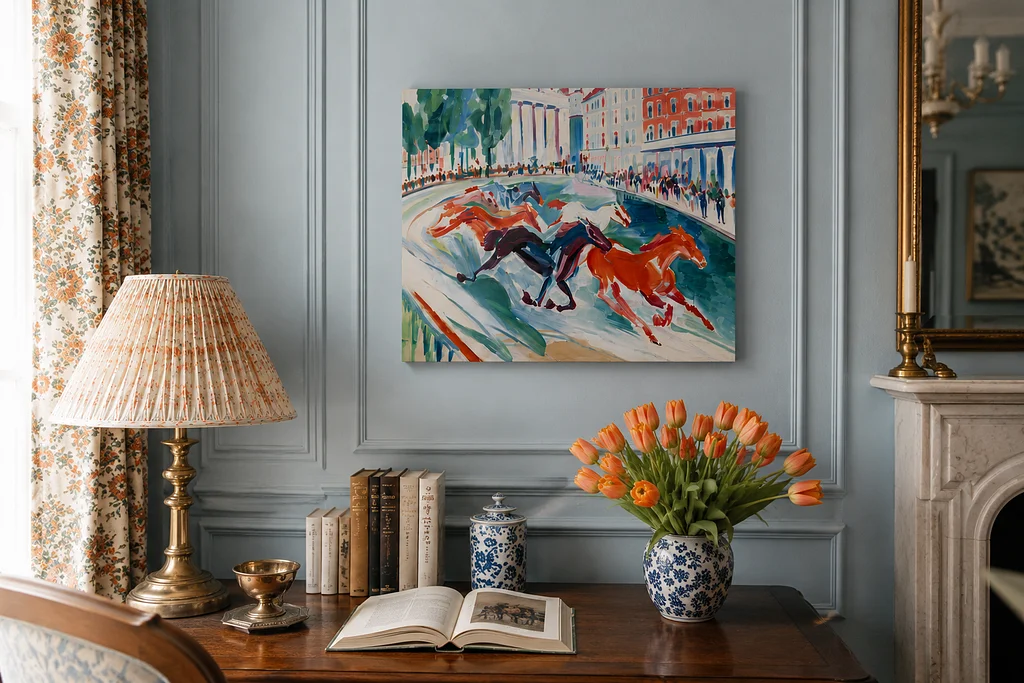
Conclusion
Modern English style interior design is not defined by perfection.
It is defined by patience.
The most beautiful homes are never created in a single weekend, nor are they furnished from a single collection. They grow quietly over time, shaped by meaningful choices, treasured objects, timeless craftsmanship, and the everyday rituals that make a house feel truly lived in.
A landscape discovered while travelling.
Fresh flowers gathered on a Monday morning.
A favourite armchair positioned beside the window.
A collection of books that reflects a lifetime of curiosity.
Artwork that continues to inspire years after it first found its place on the wall.
These are the details that transform interiors into homes with genuine character.
Perhaps that is why English interiors continue to captivate people around the world. They remind us that beauty does not come from following trends—it comes from creating spaces that reflect who we are and how we choose to live.
Rather than decorating for a season, decorate for a lifetime.
Collect pieces that tell your story.
Choose materials that become more beautiful with age.
Invest in craftsmanship.
Allow every room to evolve naturally.
Because the most memorable homes are never finished.
They simply become more beautiful with time.
Discover Timeless Canvas Art for Modern English Interiors
If you’re inspired by the warmth and elegance of modern English style interior design, explore our curated collections at House of Sun Editions.
Our premium gallery-wrapped canvas prints are inspired by English country houses, botanical arrangements, European landscapes, and the timeless beauty of collected living. Each piece is thoughtfully designed to bring warmth, depth, and character into interiors that value craftsmanship over trends.
Whether you’re styling a cosy reading corner, a welcoming living room, or a peaceful bedroom, timeless artwork can become the finishing touch that brings the entire space together.
Explore our collections and discover artwork created for homes that tell stories.
Explore the Collection →
https://houseofsuneditions.com
Thank you for reading.
Welcome to House of Sun Editions.